
Last updated November 23, 2026
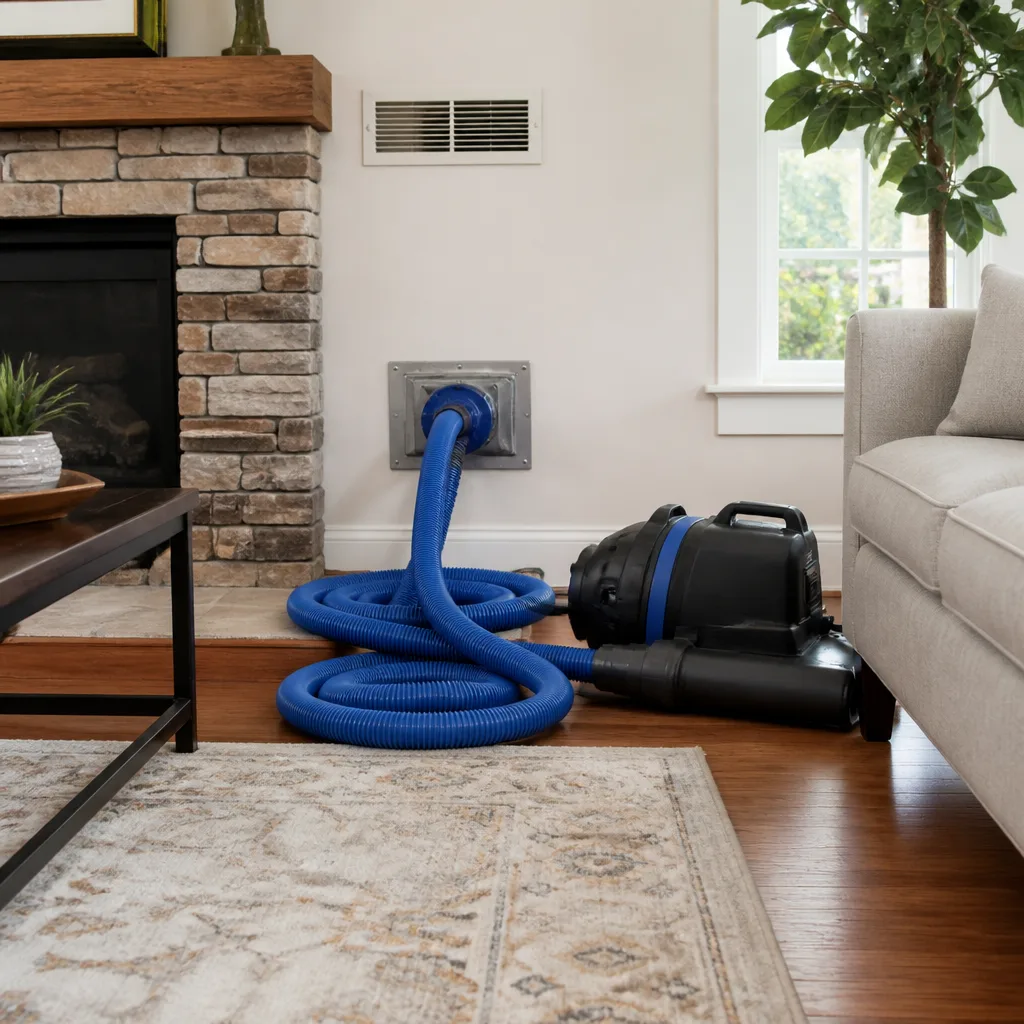 Whole-home duct cleaning
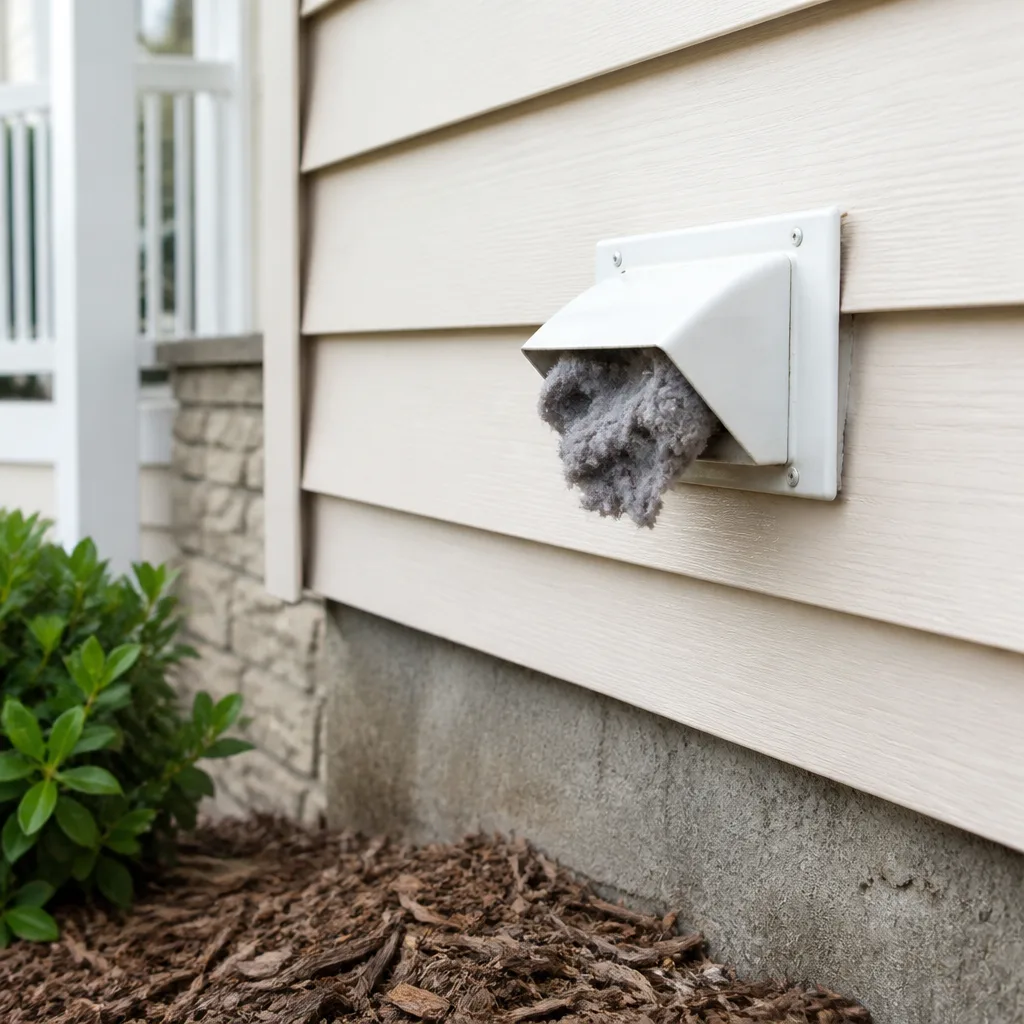 Dryer vent cleaning
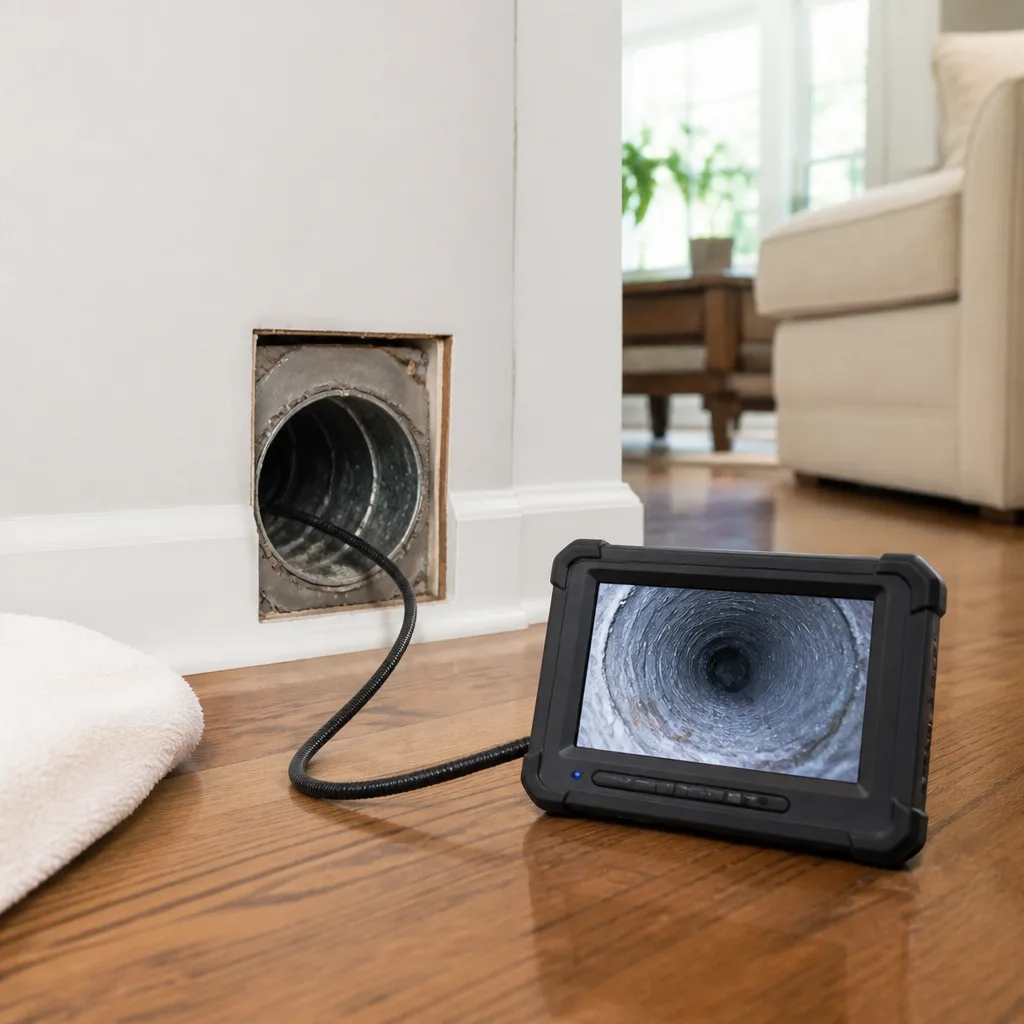 Camera inspection
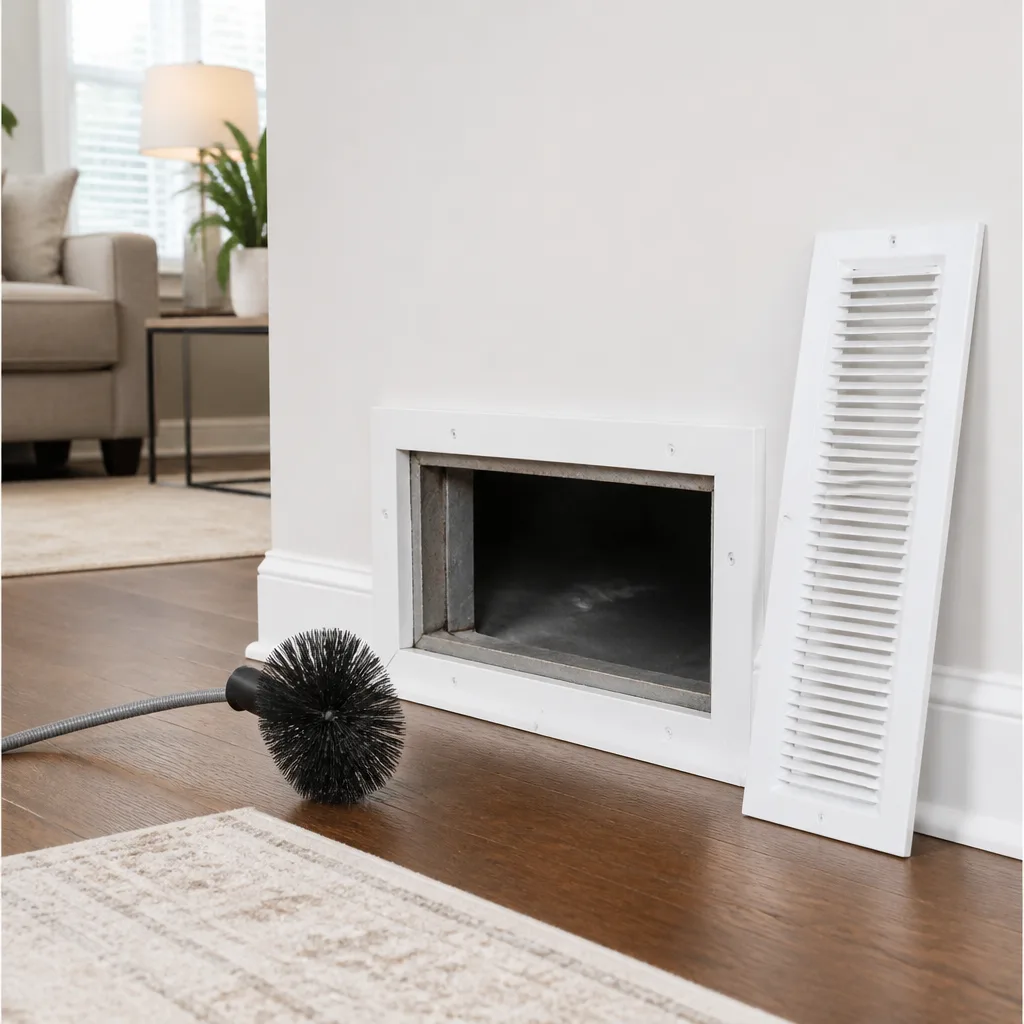 Sanitizing & deodorizing
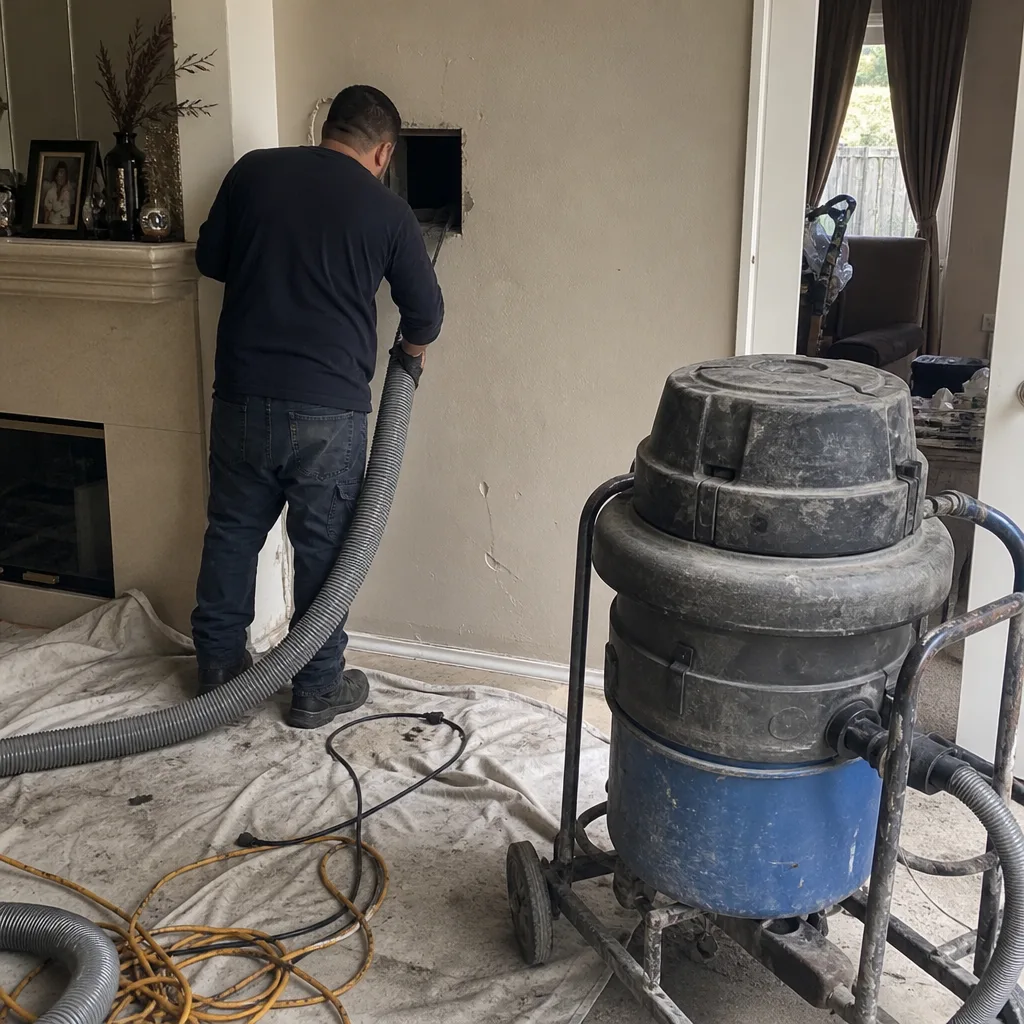
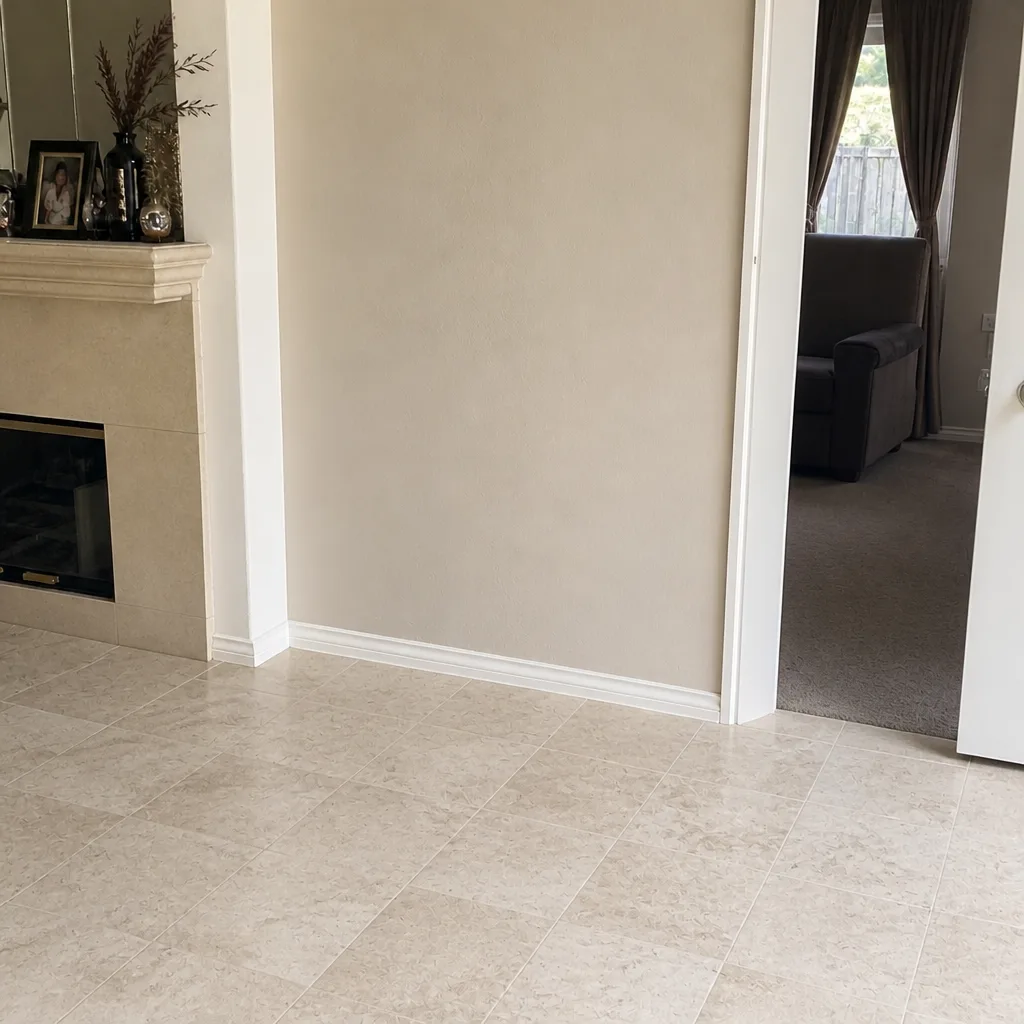
Whole-system duct and dryer vent check with before-and-after photos - you see exactly what came out of your vents
That "$99 whole-house special" is a bait ad - the real number appears once they are in your hallway, or the "clean" is a shop-vac at the register. We photograph the inside of your ducts before and after instead.
Air Duct Cleaning Permits, Codes & Inspections in Brea, CA: What You Need to Know
Here’s the part most homeowners never hear: if your duct cleaning contractor patches a duct section or reseals a plenum connection without a permit, that work becomes your liability when you sell the house, not theirs. Cleaning alone usually needs no permit in California. Repair, modification, or anything that ties into the air handler can cross a line that turns a routine service call into permitted mechanical work. This guide walks through where that line sits in Brea, what the city’s building department expects, what unpermitted duct work means at resale, and how a legitimate permit-pull actually runs from start to final inspection.
Quick Answer
Routine air duct cleaning in Brea does not require a permit under the California Mechanical Code. Repairing, replacing, or modifying ductwork, cutting new access panels, or altering connections at the air handler generally does trigger a mechanical permit through the City of Brea Building Division. Unpermitted duct work must be disclosed at resale under California Civil Code, and buyers routinely use it as a negotiating lever.
Styles & brands we work with
- Whole-home duct cleaning
- Dryer vent cleaning
- Camera inspection
- Sanitizing & deodorizing
Table of Contents
- Where the Permit Threshold Sits in California
- How the City of Brea Handles Mechanical Permits
- Title 24, the CMC, and Why Duct Work Is Regulated
- Unpermitted Duct Work at Resale: California Civil Code
- What a Legitimate Permit-Pull Process Looks Like
- Post-Wildfire Duct Work and Insurance Documentation
- What Inspectors Actually Check
- Cleaning, Repair, and Replacement: Know the Scope Before You Sign
Where the Permit Threshold Sits in California
The single most useful distinction: cleaning is maintenance, and repair or modification is construction. California’s building codes treat those two categories very differently, and the difference has real consequences for a Brea homeowner.
Pure cleaning – brushing and vacuuming the interior of the duct runs, the registers, and the plenum – does not alter the system. No permit is required. This is why most air duct cleaning jobs never touch a permit application.
The picture changes the moment the work crosses into any of these:
- Cutting a new access panel into a duct run or the plenum for cleaning or inspection access
- Replacing a section of rigid duct or flex duct
- Resealing connections at the air handler, furnace, or coil cabinet with mastic or approved tape in a way that changes the system
- Modifying duct sizing, routing, or the number of supply or return branches
- Disconnecting and reconnecting the plenum to clean or service the air handler
- Adding, removing, or relocating a register or return grille
Any of those moves is a mechanical alteration. In Brea, that means a permit through the city’s building department, and it usually means an inspection before the work is closed up. A contractor who patches a leaking duct joint while cleaning and never mentions a permit is quietly transferring that risk to you.
How the City of Brea Handles Mechanical Permits
The City of Brea Building Division issues mechanical permits for duct repair, modification, and replacement work inside the city limits. The process is straightforward when a licensed contractor runs it, and it usually looks like this:
- Scope written down. The contractor documents the exact ductwork being repaired, replaced, or modified, including which runs and which connections.
- Application submitted. The permit application goes to the Brea Building Division with the scope, the contractor’s information, and any required drawings or descriptions of the work.
- Permit issued and posted. Once the permit is issued, it’s posted at the job site. The permit number should appear on your paperwork, not just in the contractor’s file.
- Work performed and inspection scheduled. After the repair or modification, the contractor calls for inspection. An inspector verifies the work before it’s signed off.
- Final sign-off. The inspection is closed out, and you keep a copy of the permit and the final inspection record for your home file.
Older Brea housing stock – particularly the mid-century tracts around the downtown core and the neighborhoods near Brea Boulevard – often has rigid metal duct systems that have been patched and repatched over the years. When a section has to be replaced rather than resealed, that’s a permitted job. Newer construction in the hillside developments may use flex duct with different access and sealing requirements, but the permit threshold is the same.
If you’re not sure whether your job crosses the line, ask the city. The building department can confirm on a specific scope. The Brea Air Duct Cleaning Pros team can also walk through your scope before anything is signed so you know whether a permit is part of the job.
Title 24, the CMC, and Why Duct Work Is Regulated
Duct work isn’t just plumbing for air. It’s an energy system, and California regulates it that way. Title 24 – the state’s building energy efficiency standards – sets requirements for duct insulation, duct sealing, and duct leakage in new construction and in major alterations. The California Mechanical Code (CMC) governs how duct systems are installed, supported, sealed, and connected.
Those two frameworks together are why duct repair needs a permit and duct cleaning usually doesn’t. Cleaning doesn’t touch the energy performance of the system. Repair, replacement, or modification does.
Practically, this comes up in Brea in three ways:
- Duct sealing that changes the system. Mastic and approved tape on existing joints is routine. Cutting in new sheet metal or adding sections to improve performance can cross into Title 24 duct leakage territory, and that’s where permits and verification come in.
- Insulation replacement. If the duct run’s insulation is damaged and being replaced, the installer has to meet the current Title 24 insulation requirements for that assembly, not whatever was standard when the house was built.
- Air handler connections. The plenum connection and the return-side ducting are part of the mechanical system. Modifying them is a mechanical permit item.
The practical takeaway for a Brea homeowner: when the job is cleaning, the code mostly doesn’t apply to the work itself. When the job is repair or resealing that goes beyond mastic on existing joints, it usually does. The HVAC cleaning scope – cleaning the air handler, coil, and blower in addition to the ducts – is still a cleaning service, but the moment the technician disconnects and reconnects the plenum, that reconnect is a mechanical action with code implications.
Unpermitted Duct Work at Resale: California Civil Code
California Civil Code requires sellers to disclose known material facts about the property, and unpermitted work that affects a building system is squarely in that category. The standard Transfer Disclosure Statement asks about alterations and additions and whether permits were obtained. A duct repair that required a permit and never got one is exactly the kind of thing that has to be disclosed.
What that looks like in a Brea transaction:
- Buyers see the gap. A home inspector will often flag new-looking ductwork, fresh mastic, or a patched plenum without a corresponding permit record. Once the buyer’s agent sees it, the question comes up in negotiation.
- Disclosure is required, not optional. If you know about the unpermitted work and don’t disclose it, you’re exposed well beyond the sale.
- Price is the leverage. Buyers routinely ask for a credit – often more than the permit itself would have cost – because the work has to be re-inspected or the permit retroactively pulled.
- Retroactive permitting is possible but not free. You can generally still pull a permit after the fact through the city, but you’ll pay for the permit, the inspection, and any corrections the inspector requires.
The better question is asked before the job, not at resale. If your contractor is doing anything beyond vacuuming and brushing, ask to see the permit number. If there isn’t one, ask why. A contractor who hesitates on that question has told you what you need to know.
What a Legitimate Permit-Pull Process Looks Like
A contractor who pulls permits regularly makes it look invisible. That’s the point. But you should still be able to see each of these steps on your end:
- Written scope before any permit application. You get a written description of the exact work, in plain language, including whether it’s cleaning, repair, or replacement.
- Permit application in the city’s name and yours. The permit should be issued against your property address with the contractor listed as the responsible party.
- Copy of the permit in your hands. Not buried in the contractor’s folder. You should have the permit number and the scope document.
- Inspection scheduled by the contractor. The contractor is responsible for arranging the inspection and being on site for it. You shouldn’t have to chase it.
- Final inspection record provided to you. The signed-off inspection is your proof that the work was legally done. Keep it with your home records.
Timelines vary with the city’s inspection scheduling, but the contractor should be able to tell you what to expect. If a contractor says the work “doesn’t need a permit” and the scope clearly includes modification, you’re looking at someone who is either misinformed or choosing to skip it. Neither is your problem to fix.
Post-Wildfire Duct Work and Insurance Documentation
When smoke from a regional wildfire pushes into a home’s duct system, the work stops being just cleaning. Smoke residue settles into porous duct lining, the air handler cabinet, and the coil. Cleaning it out is a duct cleaning job. Rehabilitating a system that has been contaminated – replacing damaged flex duct, treating the plenum, sanitizing the interior of the system with a product registered for that use – starts looking like restoration, and restoration work has its own documentation trail.
For insurance claims, that trail matters:
- Written scope split by category. Cleaning, repair, and replacement should be itemized separately, not bundled into one line.
- Photos before and after. Before-and-after photos of the duct interior and the air handler are standard supporting documentation.
- Product documentation. If sanitizing or treatment products are used, the product labeling should be part of the claim file. When we use Guardsman-grade cleaning and protection products or install upgraded filtration from Honeywell or Aprilaire, the paperwork goes with the job.
- Permits where the work crosses the line. If the restoration scope includes duct replacement or plenum modification, the permit and inspection record are both part of the file the insurer will want to see.
Brea’s position inland from the coast means smoke events from regional fires are a real seasonal concern, and the homes most affected are often not in a mandatory evacuation zone – they’re downwind. Those homeowners usually get cleaning covered, but only if the scope is documented properly. Our Rotobrush and Nikro equipment produces the kind of before-and-after documentation that claims adjusters accept.
What Inspectors Actually Check
If your duct work required a permit, an inspector will come look at it. They’re checking a specific set of things, and knowing what those are helps you understand why the job is scoped the way it is.
- That the work matches the permit scope. The inspector compares what was permitted to what was actually installed.
- Connections and sealing. Joints, plenum connections, and register boots are checked for mastic or approved tape and proper mechanical fastening.
- Support and routing. Duct runs must be properly supported and routed per the CMC. Improperly hung flex duct is a common correction item.
- Insulation. Insulation on the repaired or replaced section has to meet current Title 24 requirements for that assembly.
- Clearances. Connections to the air handler and furnace must maintain required clearances from combustibles.
The inspection is the reason the permit matters. Without it, there’s no third-party verification that the work was done correctly – just the contractor’s word. When your home is later sold, the inspection record is the only thing that closes that loop.
Cleaning, Repair, and Replacement: Know the Scope Before You Sign
Most disputes about permits start with a scope that was never clearly written down. Before you sign anything, you should be able to answer these questions about the job you’re about to have done.
- Is the technician cutting any new access panels into the ductwork or plenum?
- Is any section of duct being replaced, or is it all being cleaned and resealed?
- Is the plenum being disconnected and reconnected at the air handler?
- Is the scope of work written down, itemized by task, before the work begins?
Full-system dryer vent cleaning is a separate safety service and doesn’t involve duct permits, but it often gets bundled into a duct cleaning visit. If a contractor is quoting one bundled number, ask them to break it out so you can see what’s duct service and what’s dryer vent work. The same goes for repair and sealing: the Brea Air Duct Cleaning Pros process treats duct repair and sealing as a standalone service with its own scope, not a line item buried in a cleaning invoice.
The reason to be careful here is simple. When a repair needs a permit and the contractor chooses not to pull one, the work happens anyway. The system doesn’t care. What changes is who owns the consequence – and that’s you, every time.
Common Mistakes to Avoid
- Accepting “it doesn’t need a permit” without asking about the scope. Cleaning doesn’t. Repair or modification often does. The answer should match the work.
- Letting a contractor cut access panels “for better reach” without written approval. An access panel is a mechanical alteration. It should be in the scope and permitted if the city requires it.
- Skipping the permit record at resale. Brea buyers and their agents look for permit history. A missing record on fresh duct work is a red flag in negotiation.
- Bundling restoration work into a cleaning invoice after a smoke event. Insurance claims need the scope itemized by category. A bundled invoice is harder to justify and often gets partially denied.
- Assuming the inspection isn’t your responsibility. The contractor schedules it, but you should be holding a copy of the final sign-off when the job is done.
- Hiring a contractor who won’t put the scope in writing. If the scope isn’t written down, there’s no way to know whether the work crossed the permit threshold.
- Ignoring the permit on a small plenum repair. Plenum connections at the air handler are the exact place where a “small repair” turns into a code item.
See the difference
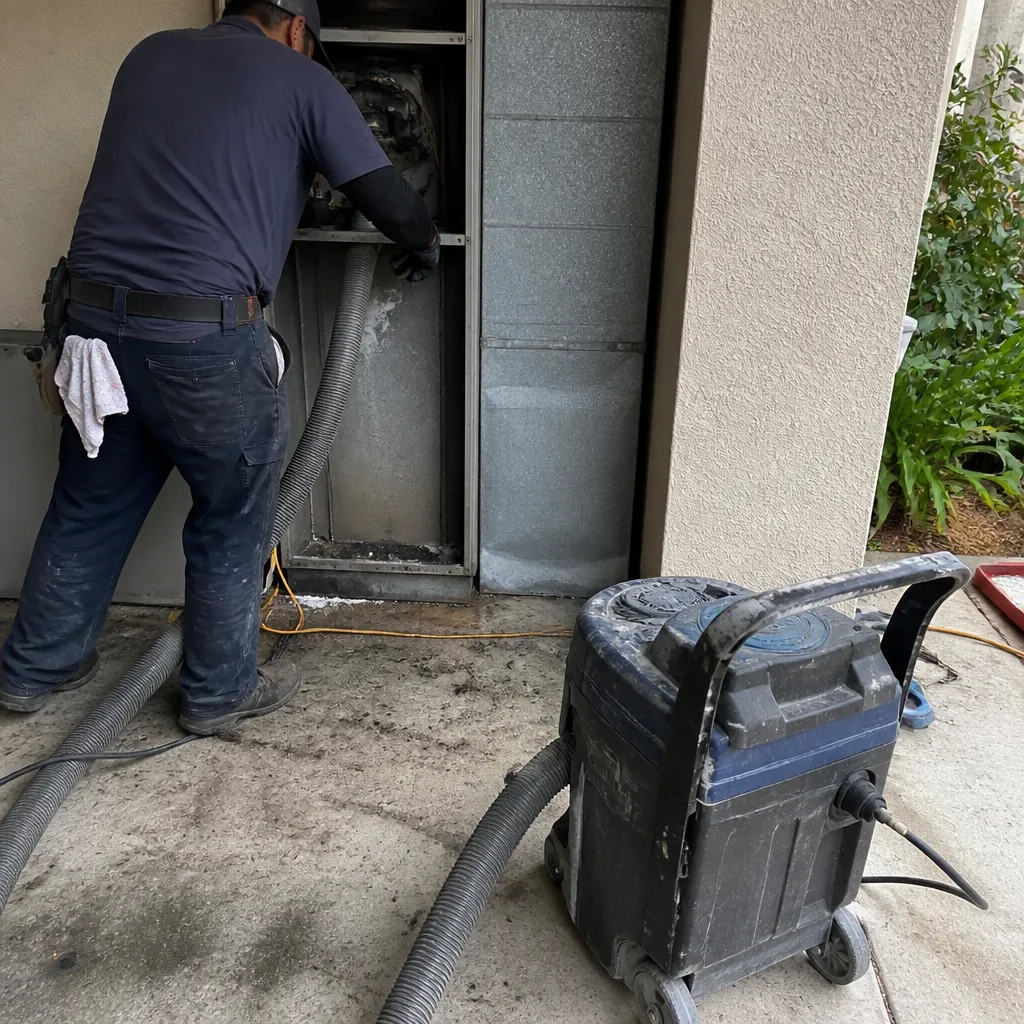 Before
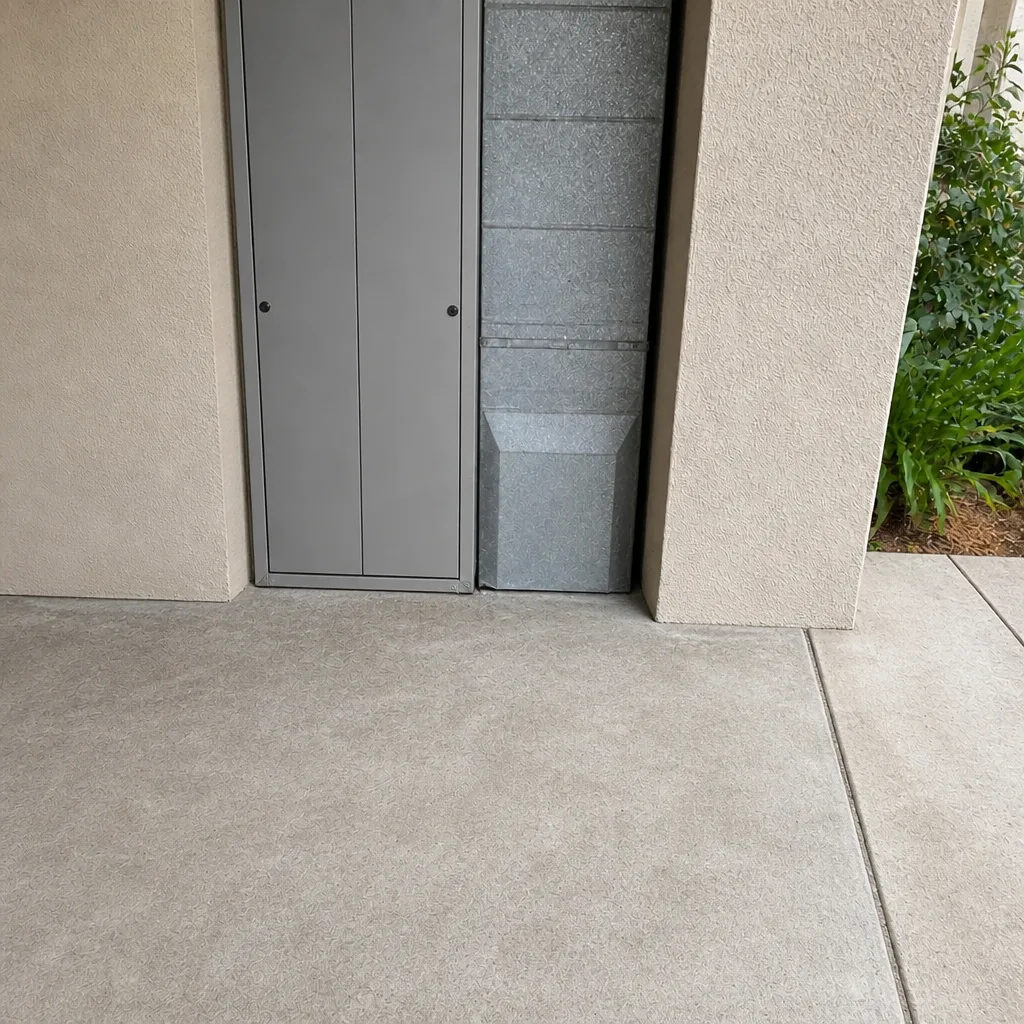 After
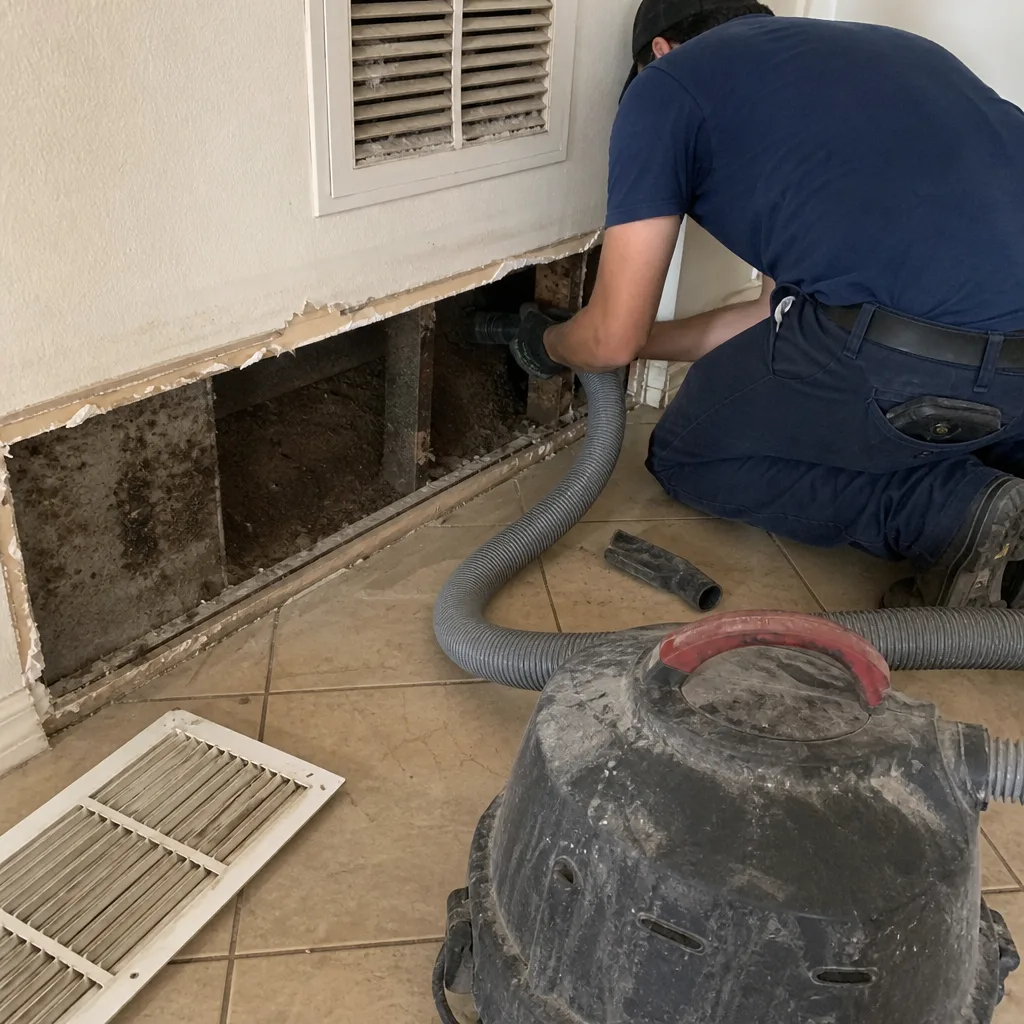 Before
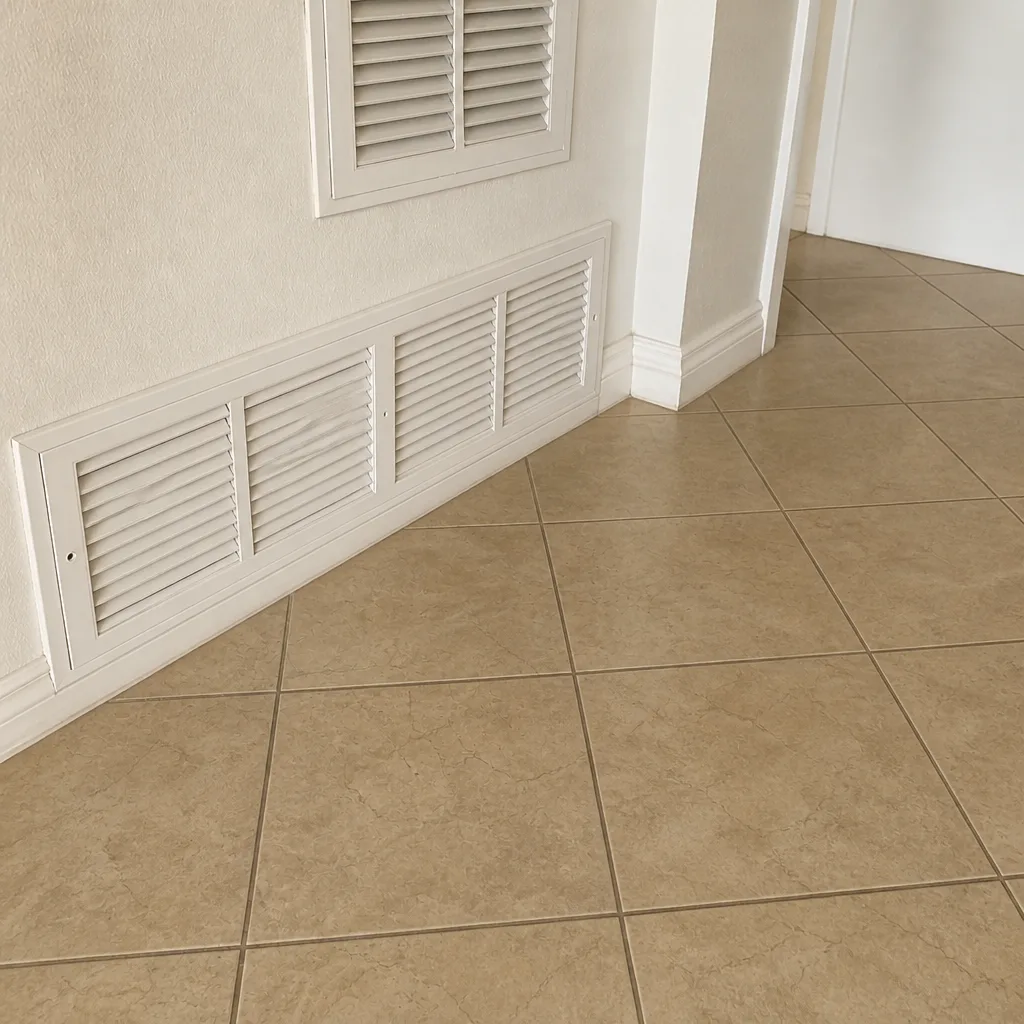 After
 Before
 After
When to Call a Professional
Call a professional when the scope is unclear, when a contractor has already done work you’re not sure was permitted, or when smoke from a regional fire has pushed into the system and you need the scope documented for an insurer. Call before you sign, not after. Our technicians have up to 11 years of experience reading duct systems, and the difference between a cleaning job and a repair job is usually visible on site in about twenty minutes. Brea Air Duct Cleaning Pros offers free estimates in Brea. Call (866) 947-9306. We answer 24/7. Fast dispatch from 7am to 7pm, Sunday through Friday.
Frequently Asked Questions
No. Routine air duct cleaning does not require a permit in Brea or anywhere in California. Cleaning is maintenance and does not alter the mechanical system. Repair or modification of the ductwork, including cutting new access panels or replacing a duct section, generally does require a mechanical permit through the City of Brea Building Division. Call (866) 947-9306 if you want us to look at your scope before you commit.
Modification means the system is physically changed: new duct sections, new access panels, relocated registers, resized runs, or a plenum that gets disconnected and reconnected. Cleaning means the interior of the existing system is brushed and vacuumed without altering the structure. The line is physical, not visual. When in doubt, ask the city building department to confirm the scope. For a free estimate on the Brea side, call (866) 947-9306.
The work needs to be disclosed at resale under California Civil Code, and if it’s not, you’re exposed well beyond the sale. In practice, buyers use unpermitted work as a negotiating credit, and the permit still has to be pulled retroactively through the city. The permit itself is usually less expensive than the concession the buyer asks for. Call (866) 947-9306 to talk through your options.
Cleaning smoke residue out of the ducts usually doesn’t require a permit. If the restoration scope includes duct replacement, plenum modification, or treatment that goes beyond cleaning, that portion may cross the permit threshold. For insurance claims, the more important issue is documentation: itemized scope, before-and-after photos, and product labeling for anything used in the system. Call (866) 947-9306 for a written scope you can send to your adjuster.
It depends on the city’s scheduling, but the sequence is predictable: application, issuance, work, inspection, final sign-off. The contractor schedules the inspection and should be on site for it. You should end the job holding the permit number and the final inspection record. Call (866) 947-9306 for a free estimate and we’ll walk through the timeline for your specific scope.
Whole-system cleaning in Brea typically runs across a range rather than a fixed price, because the number of registers and the condition of the system vary house to house. You pay one flat price per system agreed before work starts, not a per-vent figure. Before-and-after photos of your own ducts go with the job. Call (866) 947-9306 for an exact quote – estimates are free.
Cheap quotes usually drop either the equipment or the scope. A shop vacuum and a hose isn’t a Rotobrush or Nikro system, and vent-only “cleaning” without the air handler is not the same job. Ask what’s included: air handler, coil, plenum, and before-and-after photos. If the answer is thin, the price reflects it. Call (866) 947-9306 for a scope you can compare line by line.
For most Brea homes, every few years is reasonable, and more often if you’ve had a smoke event, a remodel, or a pet-heavy household. New construction dust and renovation debris move the timeline up. If you’re not sure, a free estimate will tell you what the system actually needs. Call (866) 947-9306.
The Bottom Line
Cleaning your ducts in Brea doesn’t require a permit. Repairing or modifying them often does, and the difference is written down in the scope before the work starts. Title 24 and the California Mechanical Code apply to the physical system, not the service label on the invoice. Unpermitted work has to be disclosed at resale, and the buyer’s credit usually costs more than the permit would have. If a contractor can’t show you a written scope, a permit number where one applies, and before-and-after documentation, that’s your answer. Get the scope in writing first. Call (866) 947-9306 for a free estimate in Brea. We answer 24/7. Fast dispatch from 7am to 7pm, Sunday through Friday.
Written by the team at Brea Air Duct Cleaning Pros.