
Last updated November 23, 2026
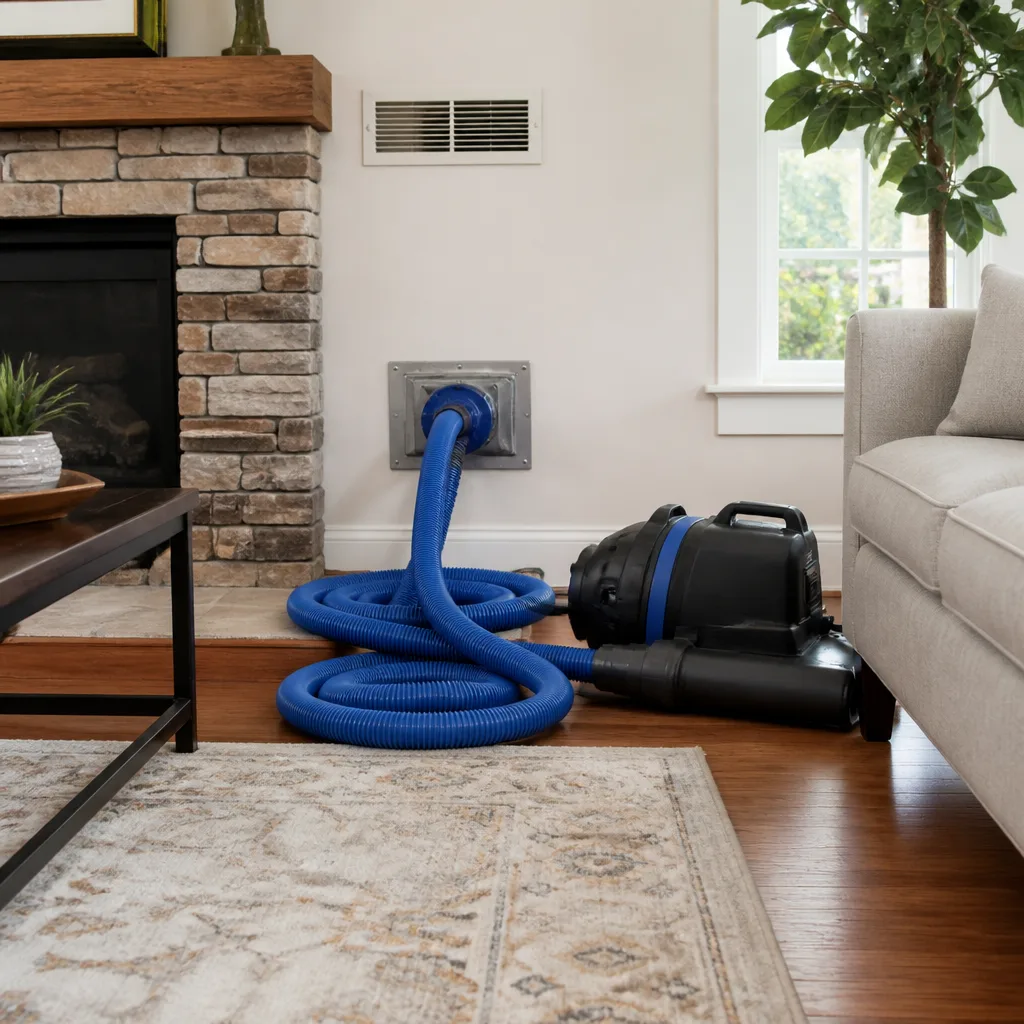 Whole-home duct cleaning
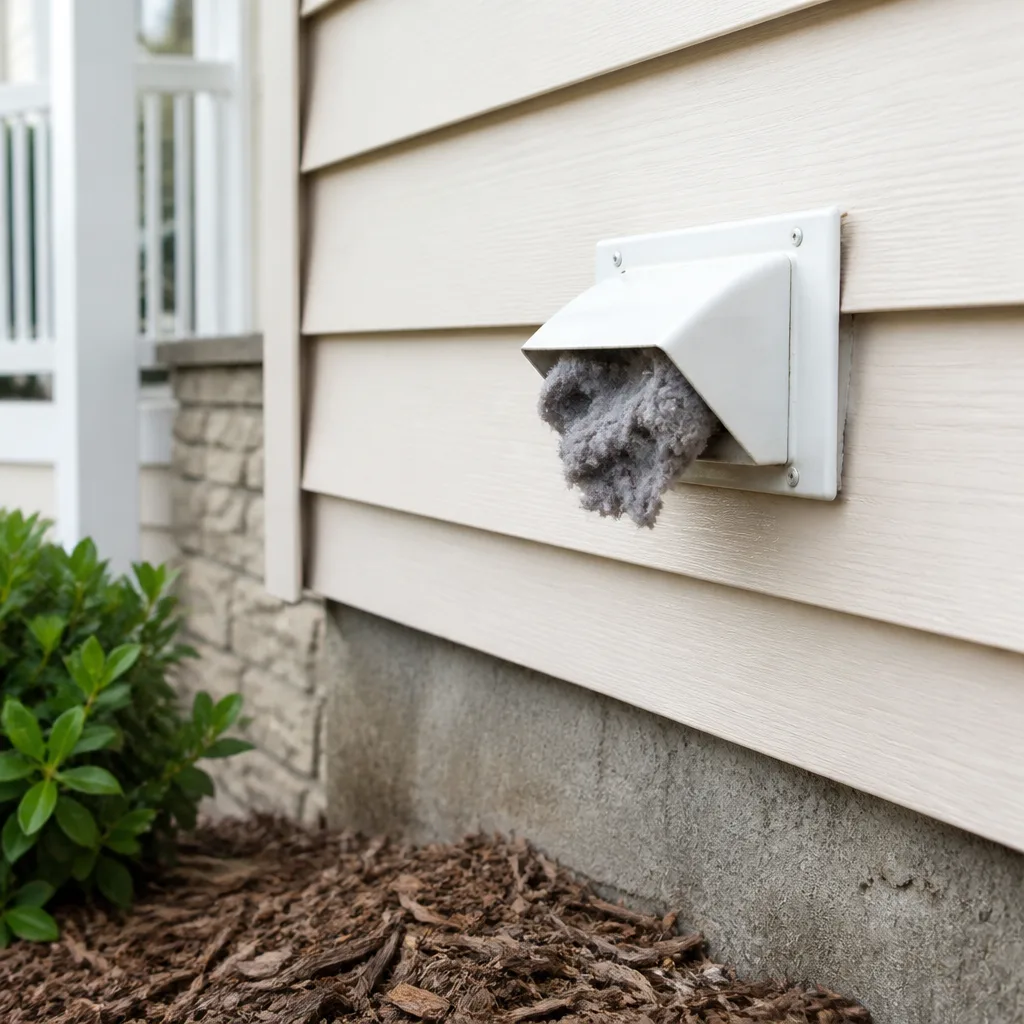 Dryer vent cleaning
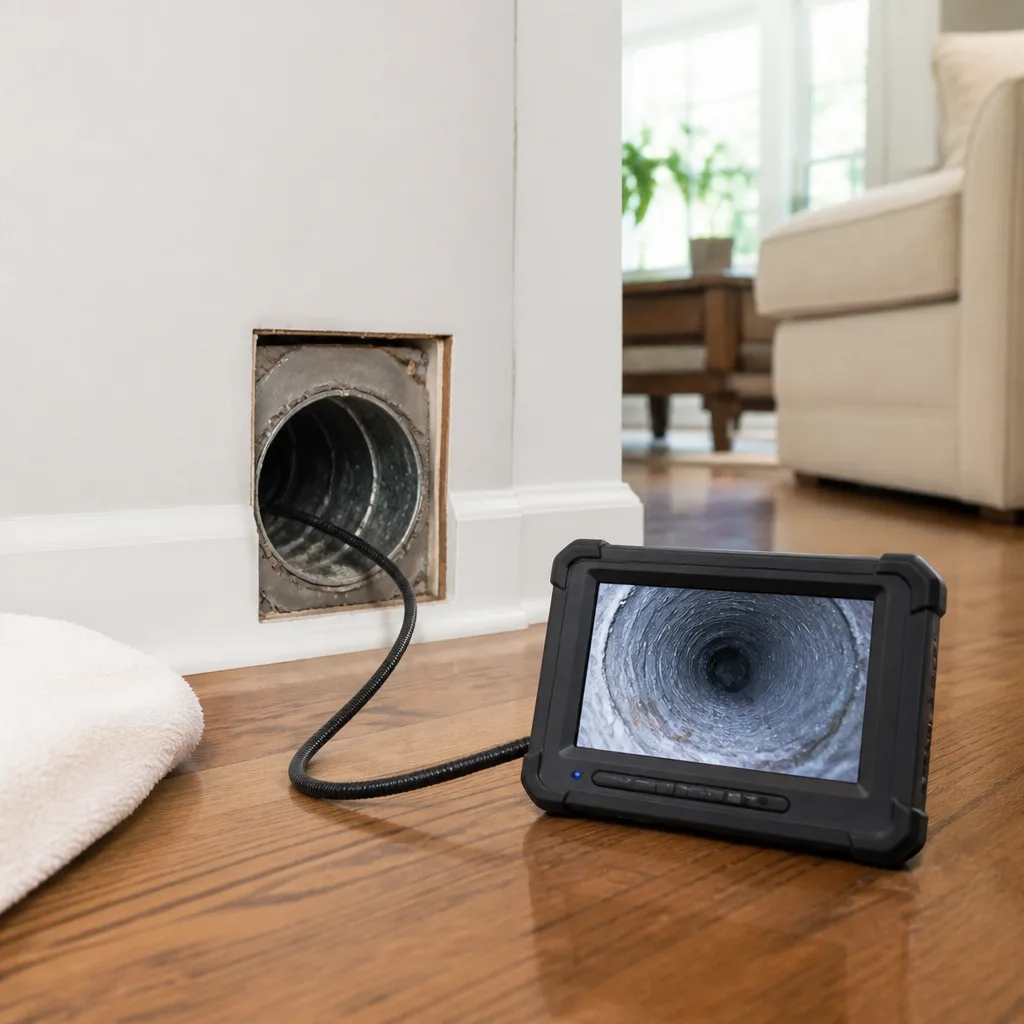 Camera inspection
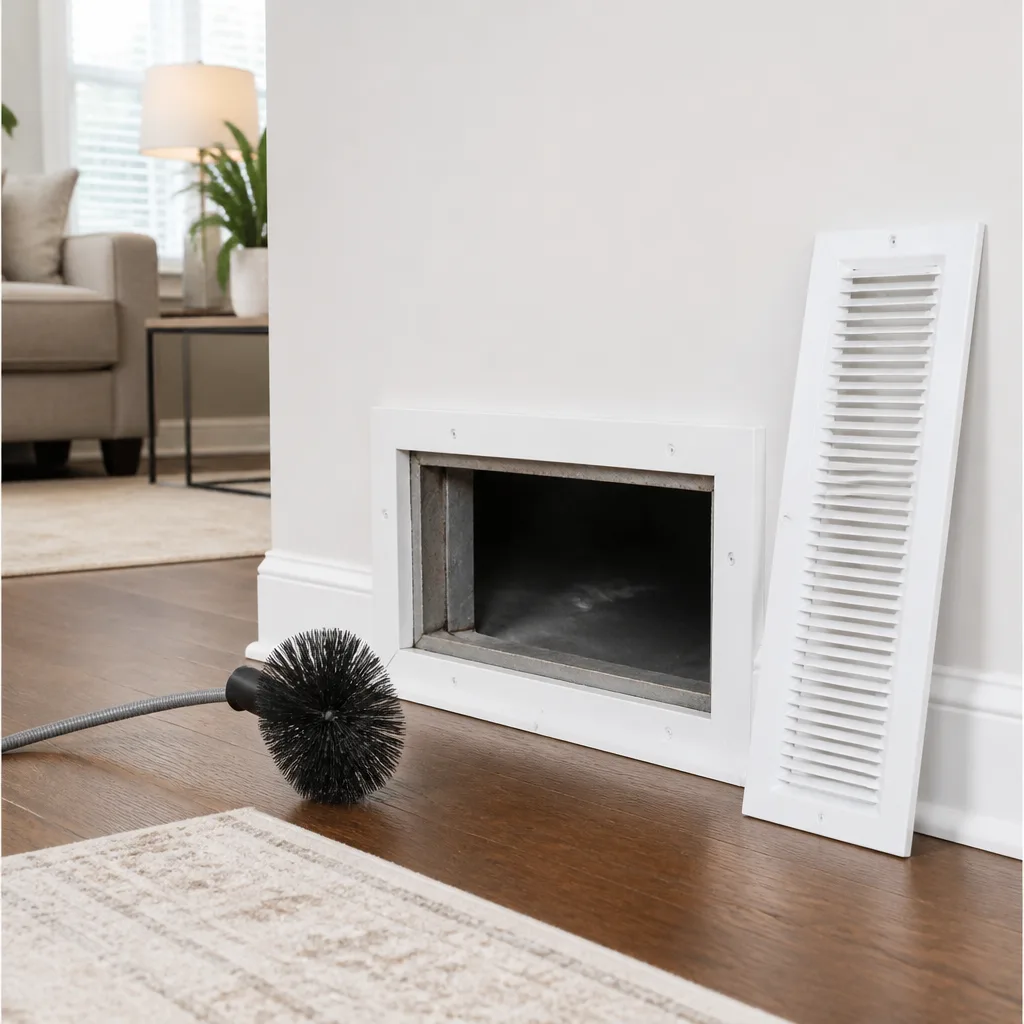 Sanitizing & deodorizing
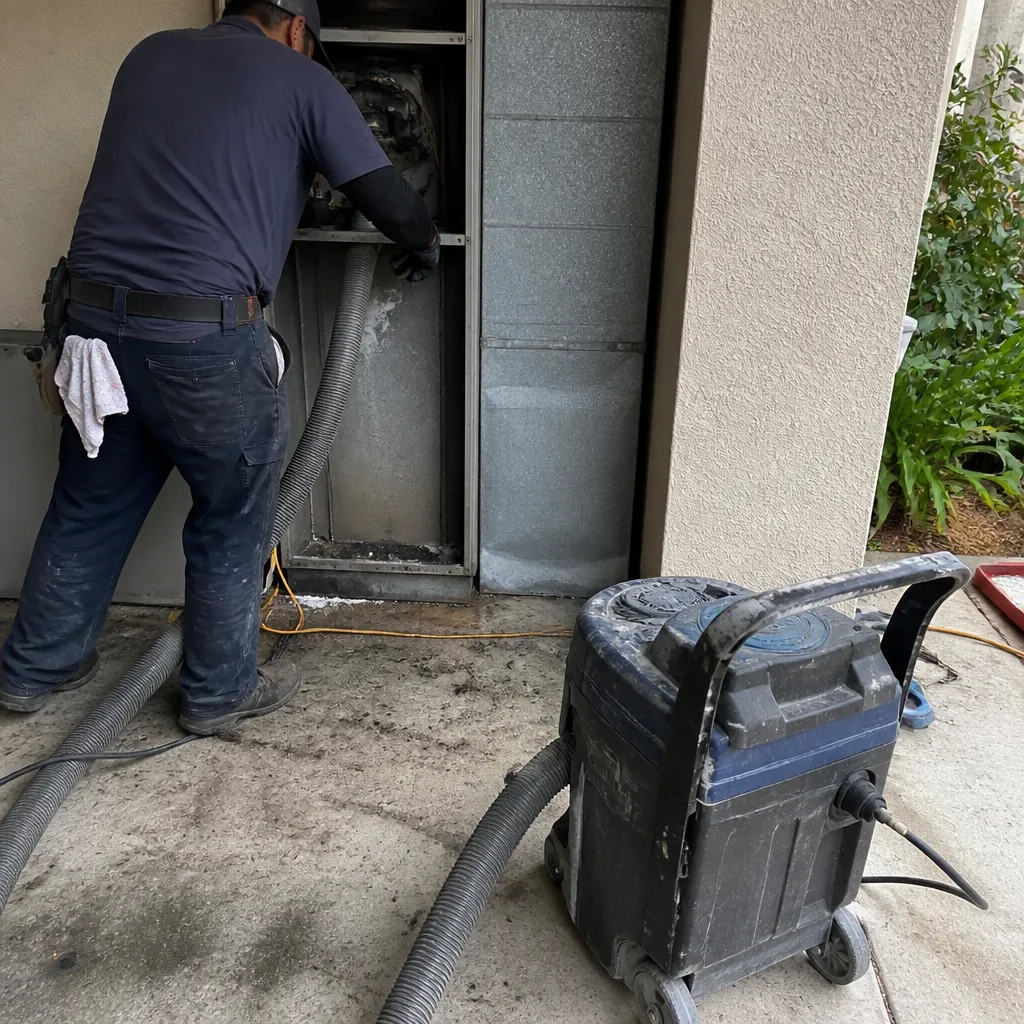
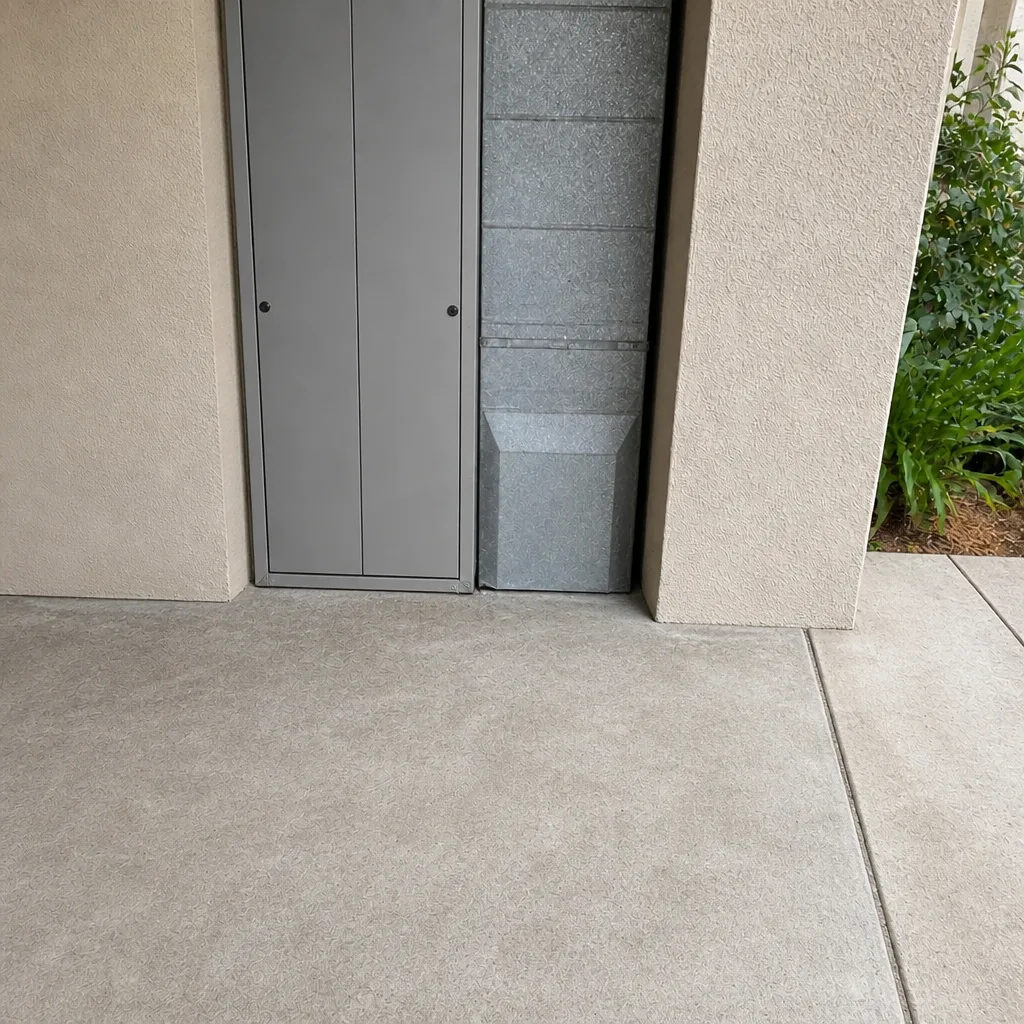
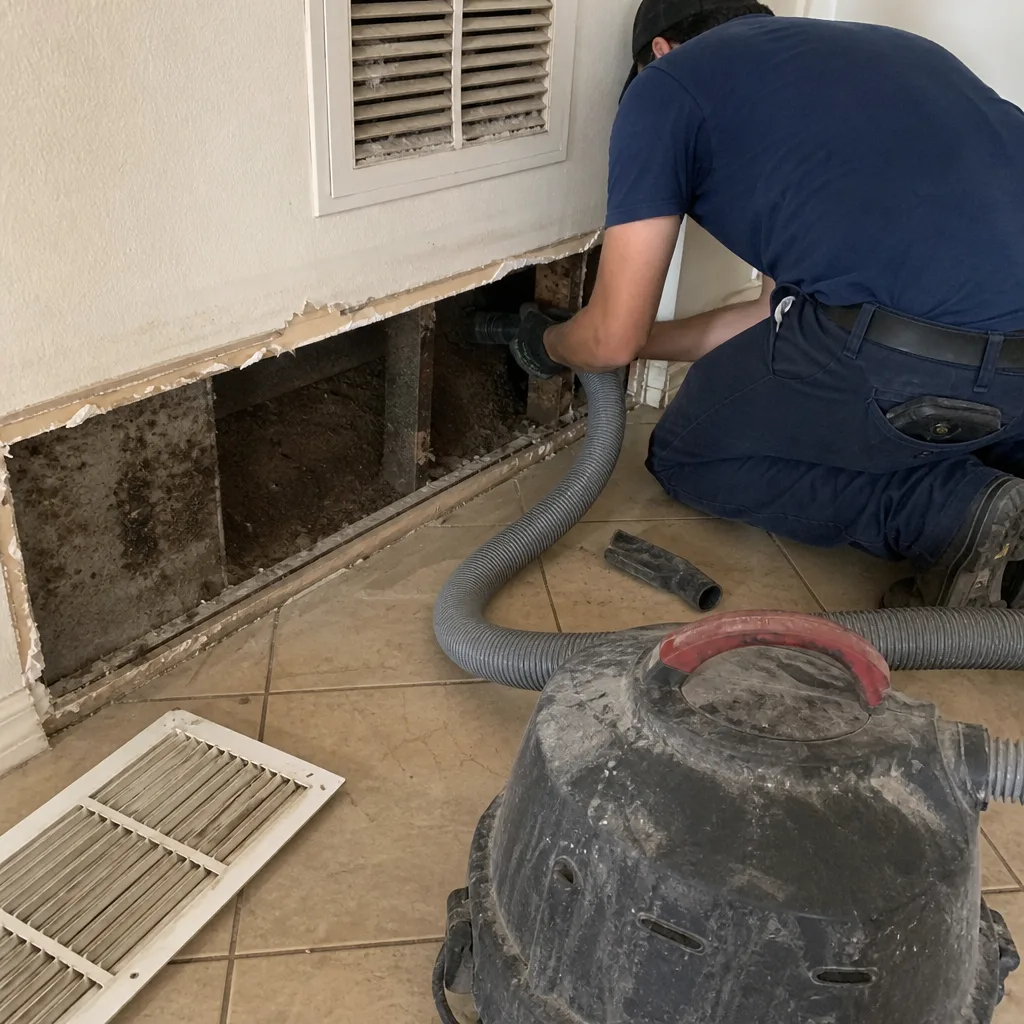
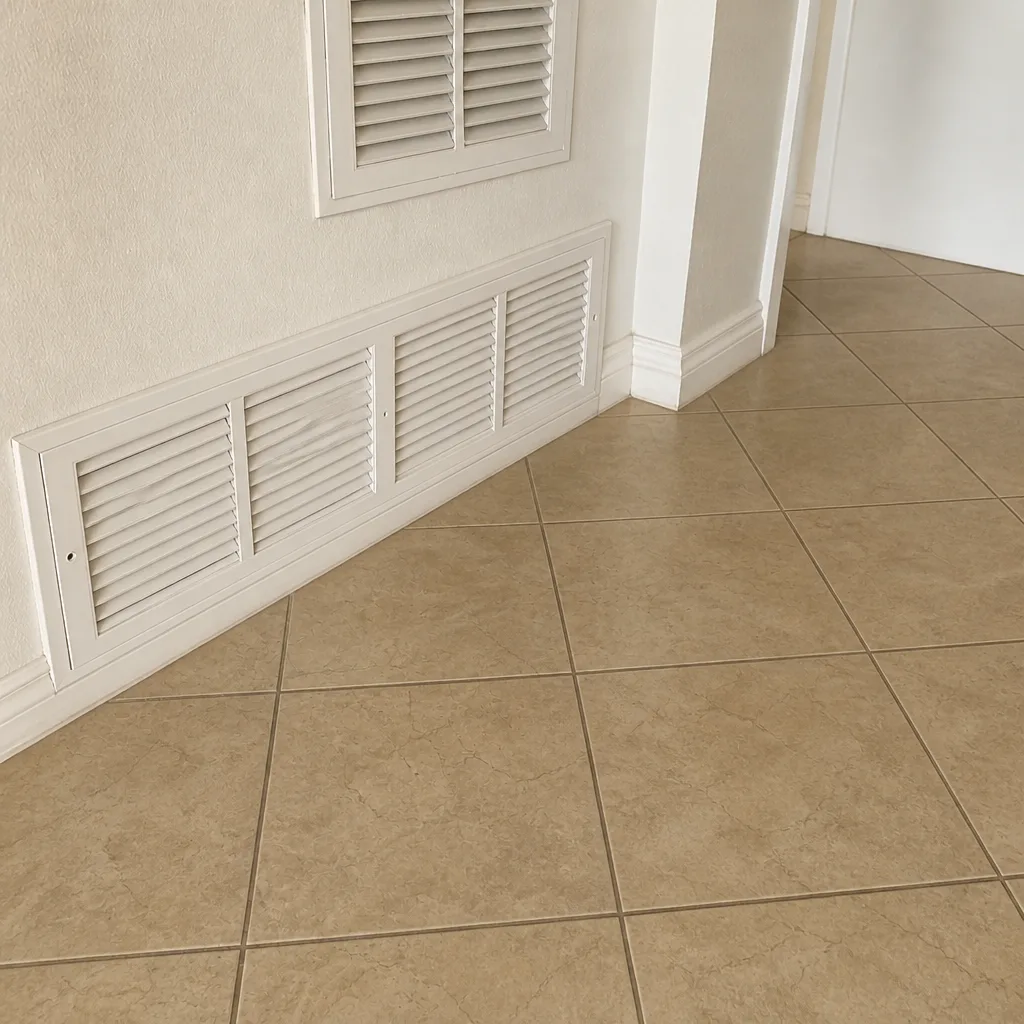
Whole-system duct and dryer vent check with before-and-after photos - you see exactly what came out of your vents
That "$99 whole-house special" is a bait ad - the real number appears once they are in your hallway, or the "clean" is a shop-vac at the register. We photograph the inside of your ducts before and after instead.
Air Duct Cleaning Troubleshooting in Brea: Common Problems and How to Fix Them
If one room in your Brea home always runs about 5°F hotter than the rest, cleaning the ducts probably won’t fix it. That kind of uneven temperature usually points to a closed or broken damper, a disconnected duct run, or a return that’s too small for the system, and vacuuming won’t touch any of those. The same goes for a persistent dust film, a smell that comes back after cleaning, or airflow that fades the longer the system runs. Each symptom is a clue. This guide maps the common ones to the mechanical cause behind them, so you can ask the right questions and pay for the right fix instead of a cleaning that never had a chance to solve it. We’ll cover how to read static pressure, what different vent smells mean, where DIY falls apart, and how to tell cleaning from sealing from repair.
Styles & brands we work with
- Whole-home duct cleaning
- Dryer vent cleaning
- Camera inspection
- Sanitizing & deodorizing
Quick Answer
Most duct problems in Brea aren’t solved by cleaning alone. Weak airflow, uneven temperatures, and recurring dust each have a specific mechanical cause, and the right fix depends on the cause: a blocked register needs a register cleared, a disconnected flex run needs repair, a leaking trunk line needs sealing, and a fouled coil needs HVAC cleaning rather than duct cleaning. Diagnose the symptom first, then choose the service. A firm that cleans, repairs, seals, and treats the whole system can usually tell you within the first visit which one you actually need.
Table of Contents
- Symptom-to-Cause Mapping: What Your Ducts Are Telling You
- Weak Airflow: Dirty Coil, Collapsed Duct, or Blocked Register?
- What a Static Pressure Reading Above 0.5 in. w.g. Actually Means
- Why Your Vents Smell: Mold, Pests, or Burned Dust
- Why Shop-Vac Duct Cleaning Can Make Things Worse
- Cleaning vs. Sealing vs. Repair: Choosing the Right Service
- Beyond the Ducts: Air Quality Hardware Worth Knowing About
- Common Mistakes to Avoid
- When to Call a Professional
- Frequently Asked Questions
- The Bottom Line
Symptom-to-Cause Mapping: What Your Ducts Are Telling You
Treat the symptom, not the label. That’s the principle behind every diagnostic we do in Brea. “Dirty ducts” is a category, not a diagnosis, and it hides wildly different problems underneath. A weak register and a dust film might share nothing in common mechanically. Before anyone books a cleaning, the job is to work out which of these is actually happening.
- Airflow weak at one register only. Almost always a register-level restriction: closed damper, blocked diffuser, or a crushed flex duct run feeding that room. Rarely a whole-system dirt problem.
- Airflow weak everywhere. Points to the air handler itself: dirty evaporator coil, failing blower, or a filter so loaded the system can’t breathe. Duct cleaning alone doesn’t fix this.
- Dust settling on surfaces right after cleaning. A sign of leakage, not leftover dirt. Leaky return-side ducts pull in attic or garage air and redeposit it throughout the home.
- Uneven room temperatures. Room-specific damper position, an undersized return, or a disconnected duct run terminating in an attic or crawlspace instead of the register.
- Vent smell that returns after cleaning. The cleaning removed dust but not the source: standing moisture, pest debris, or a coil that needs attention.
In our experience working across Brea, the homes that get the most out of a single visit are the ones where someone took ten minutes to map symptoms to rooms. Write down which registers are weak, which rooms run hot, and when the smell shows up. That list is worth more than any inspection tool when the technician arrives, because it narrows the search.
Brea’s housing stock varies a lot, and the duct systems vary with it. Older single-story homes in the west end of town often have attic runs with flex duct that’s been baking and settling for years. Newer construction near the Brea Mall corridor tends toward tighter layouts where the return is undersized relative to the supply side. Both suffer airflow complaints, but for different reasons. Mapping the symptom to the home’s era cuts down the guesswork.
Weak Airflow: Dirty Coil, Collapsed Duct, or Blocked Register?
Weak airflow is the most common complaint and the easiest to misdiagnose. The first question is scope: is it one vent or everywhere? Walk the house and hold your hand to each register while the system runs. If half feel strong and one feels like nothing, the problem is local. If all of them feel soft, the problem is upstream at the air handler or filter.
Work through it in this order:
- Check the filter first. A clogged filter starves the whole system. If the filter looks gray and matted, replace it before anything else is considered.
- Open every supply register and confirm the damper isn’t shut. This sounds obvious, but a closed damper in one room is the most common cause of a single cold or hot room we see.
- Look for a crushed or disconnected flex duct run. In attic installations, flex duct can slump, kink, or separate at a fitting. A disconnected run dumps conditioned air into the attic instead of the room.
- Inspect the evaporator coil. A coil matted with dust and lint restricts airflow even when the ducts are clean. This is where HVAC cleaning comes in rather than duct cleaning.
- Measure static pressure. That’s the next section, and it settles whether the restriction is upstream (filter/coil) or in the ductwork itself.
The distinction matters because it decides what you’re paying for. A homeowner in Brea who books a duct cleaning hoping to fix a weak vent that turns out to be a disconnected flex run has paid for the wrong service. A homeowner whose system is choked by a fouled coil needs HVAC cleaning. Getting the diagnostic right is the whole game.
What a Static Pressure Reading Above 0.5 in. w.g. Actually Means
Static pressure is the resistance a blower has to push against. A reading above 0.5 inches of water gauge (in. w.g.) across the air handler tells the technician the system is working harder than it should. But that single number doesn’t tell you where the resistance lives. That requires testing on both sides of the blower.
Here’s how the reading breaks down:
- High pressure on the return side. The return ductwork is undersized or restricted. In Brea homes with a single small return grille serving a large open floor plan, this is common: the blower is being starved.
- High pressure on the supply side. The supply trunks or branches are restricted, often by excessive flex duct length, sharp turns, or an over-tightened run to a distant room.
- High total with clean ducts and a clean coil. Points squarely at undersized return or supply runs, which no amount of cleaning will fix. Sealing and redesign are the right answer.
- High total with visible duct leakage. Air escaping through loose joints and unsealed trunk connections inflates the number. Duct repair and sealing is the fix.
Why the 0.5 threshold matters: it’s a practical guideline, not a hard limit. A system running at 0.7 in. w.g. may still deliver adequate airflow if it’s designed for it, but a system rated for 0.5 running at 0.8 is losing capacity and working the blower harder than it needs to. In our experience, the number alone isn’t the answer, but the return-side and supply-side split usually is. A technician who reports only one total number without splitting it hasn’t finished the diagnosis.
Ask for that split. If someone tells you your static pressure is high and recommends cleaning, ask whether the reading was taken on the return, the supply, or both. If the answer is vague, get a second opinion. This is the single most useful pressure question a Brea homeowner can ask, and it separates a real diagnostic from a sales pitch.
Why Your Vents Smell: Mold, Pests, or Burned Dust
A smell coming from the vents is a clue, and different smells mean different sources. You can’t fix all of them with cleaning, and cleaning the wrong one leaves the smell intact. Here’s how to tell them apart.
Musty or earthy smell
This usually points to moisture. In Brea’s climate, with mild winters and dry summers, actively damp ducts are less common than in wetter regions, but a leaking condensate line, a coil pan that isn’t draining, or attic condensation can wet duct insulation. Once insulation is damp, it stays damp and the smell recurs. The fix is to locate and stop the moisture source first, then clean and treat the affected sections. Cleaning alone without stopping the water source doesn’t work. Air quality treatment and sanitizing, using Guardsman-grade products, comes after the source is addressed.
Dead animal smell
Sharp, unmistakable, and often localized to one part of the house. A dead rodent or bird in a duct run, return plenum, or near the air handler produces this. The fix is removal of the carcass and debris, then cleaning and sanitizing of the affected section and any porous material it soaked into. Masking with a deodorizer just delays the return.
Hot, dusty, “burning dust” smell the first time the heat runs
Often benign: dust that settled on the heat exchanger over the off-season burning off as the system warms up. If it fades within a run cycle or two, no action is needed. If it persists, or if it smells electrical or metallic, stop using the system and get the heating component checked. That’s a safety question, not a duct cleaning one.
Chemical or plastic smell
This points to an overheated component, failing motor, or wiring issue, not duct contamination. Turn the system off and have a technician inspect the air handler and blower. Do not run the system to “test” it.
One practical test: does the smell appear only when the fan runs, or all the time? A smell tied to fan operation lives somewhere in the airstream: coil, ducts, filter, or plenum. A smell that’s present even with the fan off comes from somewhere else in the home and is being attributed to the vents. Getting that distinction right before booking a cleaning avoids a wasted visit.
Why Shop-Vac Duct Cleaning Can Make Things Worse
A shop vacuum is the wrong tool for duct cleaning, and it can leave your system dirtier than it started. Consumer vacuums lack the sealed extraction and agitation that professional equipment uses, so instead of removing debris, they tend to stir it around and redistribute it. That’s especially true in attic flex duct, where the inner lining is easily scuffed loose.
Here’s what goes wrong:
- Loose insulation gets dislodged. Standard shop-vac nozzles catch and tear the foil-faced inner liner of flex duct. Once the inner liner is compromised, the duct sheds fibers into the airstream indefinitely.
- Debris spreads instead of being captured. A shop vac with an open exhaust blows fine dust back through the home. Professional equipment uses sealed collection so debris exits the system, not the room.
- Pressed-in grime doesn’t budge. Dust and lint bond to duct walls, especially around the coil and plenum. Rotobrush and Nikro systems use rotating agitation heads with sealed vacuum to break that bond and pull it out. A rigid shop-vac hose just glides past it.
- New contamination zones get created. Pushing air into a disconnected or leaking return can drive attic dust and fiberglass particles into the living space. A duct that was dirty becomes a duct that’s dirty and venting attic air into the home.
The same applies to register-level “do it yourself” kits that promise to clean a whole system through the vent. They don’t reach the trunk lines, the plenum, or the coil cabinet, and those are where most buildup actually lives. If you want a visual sense of what a proper job involves, our guide to air duct cleaning walks through the equipment and process steps.
We run Rotobrush and Nikro systems for exactly this reason: they’re the platforms commercial HVAC contractors use, with sealed extraction and the agitation to reach what a consumer tool leaves behind. That’s the difference between a cleaning that resets the system and one that stirs up the problem.
Cleaning vs. Sealing vs. Repair: Choosing the Right Service
This is where most homeowners overpay, and it comes down to picking the wrong service for the problem. Cleaning removes contamination. Sealing stops leakage. Repair fixes a broken component. Three different jobs, three different fixes, and the right one depends on the diagnosis, not the pitch.
Match the symptom to the service:
- Cleaning is the right call when ducts are contaminated: visible dust and debris inside runs, a fouled coil cabinet, pest debris, or a musty smell with a fixed moisture source. The goal is to reset the system to clean.
- Sealing is the right call when the ducts leak. Signs include high static pressure on one side, dust settling on surfaces, and uneven temperatures. Sealing the joints, trunk connections, and register boots with mastic and tape stops the loss.
- Repair is the right call when a duct run is disconnected, crushed, or torn. A disconnected run blowing into the attic, a sagging flex run pinched at a joist, or a boot separated from the register opening. Repair replaces or reconnects the damaged section.
- HVAC cleaning is the right call when the coil or blower is the restriction. That’s a system-side job, not a duct run job, and a duct cleaner who doesn’t touch the coil isn’t solving it.
In our experience, most Brea homes that suspect “dirty ducts” benefit from a walkthrough before anyone commits to a service. A Duct Repair & Sealing visit often begins as a cleaning quote and turns into a sealing job once static pressure is measured and leakage is visible. That’s not a bait-and-switch. That’s the diagnostic pointing to a different fix, and it should be explained before the work starts. If a company can only clean and cannot seal or repair, they’ll clean whether or not it solves the problem.
One useful question: after the work is done, what changes? If the answer is “the ducts will be clean,” and the actual problem is leakage, you’ve paid for the wrong thing. The better answer names a measurable change: lower static pressure, better airflow at a specific register, no smell. Get that answer in writing.
Beyond the Ducts: Air Quality Hardware Worth Knowing About
Some duct problems come back because the systems around the ducts never changed. A whole-home filter that’s undersized, a return grille that clogs every few weeks, or a humidifier that isn’t tuned to Southland air all affect how dirty the ductwork gets and how fast. Cleaning is the reset, and the right hardware keeps it from resetting back to the same condition.
Hardware that fits the bill:
- Whole-home media filters from Honeywell. A deep pleated filter with a proper MERV rating reduces the dust load reaching the coil and ducts, provided the static pressure can handle the added resistance.
- Aprilaire humidification and filtration. For homeowners who feel the air is too dry in winter months, or too dusty year-round, an inline solution addresses the source rather than treating the air downstream.
- Abatement Technologies products for verified air quality improvement. Additional hardware for specific air quality concerns beyond standard filtration.
The key point: hardware is chosen after the airflow profile is understood. A high-MERV filter on an already-underpressure system makes airflow worse. That’s why the diagnosis comes first: static pressure reading, return evaluation, and then the filter or hardware selection. Adding hardware without that step is how a system ends up working harder than before.
We carry and install hardware from Honeywell, Aprilaire, and Abatement Technologies when the diagnosis points to an air quality fix rather than a cleaning one. That’s air quality treatment, not just air duct cleaning, and it’s chosen to match the system rather than layered on top.
Common Mistakes to Avoid
- Booking a cleaning before the diagnostic. The service has to follow the symptom. A weak vent that’s disconnected or a system that’s restricted by a fouled coil doesn’t improve with vacuuming. Start with a walkthrough and a static pressure reading if airflow is the complaint.
- Assuming one vent problem is a whole-system problem. In Brea homes with long attic runs and few registers, a single dead vent is almost always a local cause: closed damper, crushed flex, or disconnected boot. Don’t authorize a full-system cleaning to fix one room.
- Using a shop vac or a consumer “duct cleaning kit.” These dislodge insulation, spread debris, and can push attic air into the living space. The damage is not always reversible once flex duct liners are scuffed.
- Buying a “per-vent” price quote. Per-vent pricing rewards counting registers, not solving problems. What you need is a flat price for the system, set before work starts.
- Skipping the dryer vent. Lint accumulation is a fire risk that has nothing to do with air quality and everything to do with safety. Treat it as its own job, not an add-on to a duct cleaning, and don’t wait until the dryer starts taking two cycles to dry a load. Our dryer vent cleaning page explains what the cleaning involves.
- Ignoring the coil because the ducts look clean. A shiny duct system feeding a matted evaporator coil still delivers weak airflow and dust. Coil cleaning belongs in the same conversation as duct cleaning, not after it.
- Adding a high-MERV filter to a system that’s already underpressured. If static pressure is high on the return side, a restrictive filter makes it worse. Check the airflow budget before upgrading filtration.
When to Call a Professional
Call a professional when the symptom doesn’t match a simple fix you can do yourself. That means: airflow that’s weak throughout the house even with a fresh filter, a vent smell that comes back after the room has been cleaned, dust settling on surfaces within days of dusting, one room that runs significantly hotter or colder than the rest, a static pressure reading you can’t interpret, or visible damage to a duct run in the attic or crawlspace. Each of these needs actual inspection, not a guess.
Brea Air Duct Cleaning Pros offers free estimates in Brea – call (866) 947-9306. We answer 24/7. Fast dispatch from 7am to 7pm, Sunday through Friday. A call outside dispatch hours is booked into the next opening, Sunday through Friday, 7am to 7pm. Our technicians have up to 11 years of experience, and the estimate is set per job in writing before work starts, so you know the scope and price up front.
Frequently Asked Questions
A full-system cleaning in Brea typically runs in a mid-hundreds range and is priced per system, not per vent. What moves the number up is scope: number of returns, distance of runs, attic access, whether the coil is included, and whether sealing is part of the job. What you want is a flat price quoted after the walkthrough, not a promotional per-vent number. Call (866) 947-9306 for a free estimate. We answer 24/7. Fast dispatch from 7am to 7pm, Sunday through Friday.
Because they’re quoting a different job. A low per-vent number usually covers a surface pass at the registers and nothing else: no trunk cleaning, no coil, no sealing, no pictures. The work that actually resets a system takes equipment, time, and a diagnostic, and none of that is in a teaser fee. Ask what the quote includes, who does the work, and whether the price is flat per system. If those answers are vague, the number will grow once a technician is on site.
Ask for before-and-after photos of your own ducts, taken at the register and the trunk, and ask for the static pressure reading before and after. Both are concrete and specific to your system. Without them, you’re taking someone’s word for a job you can’t see. A company that does the work properly can show you the difference without being asked twice. Call (866) 947-9306 to book an estimate. We answer 24/7. Fast dispatch from 7am to 7pm, Sunday through Friday.
For most Brea homes, a full-system cleaning every few years is plenty, and many homes can go longer. The real triggers aren’t the calendar at all: visible dust on the registers, a change in airflow, a new smell, a remodel that generated debris, or pest activity. If none of those apply, cleaning is usually optional. If one does, it’s worth a look. Call (866) 947-9306 for a free estimate. We answer 24/7. Fast dispatch from 7am to 7pm, Sunday through Friday.
It depends on why the system is underperforming. If the ducts are contaminated but tight, cleaning is the fix. If the ducts leak, cleaning won’t lower the static pressure or stop attic dust from entering the home; sealing will. The split comes from a static pressure reading and a visual check of the joints. Call (866) 947-9306 to book a diagnostic. We answer 24/7. Fast dispatch from 7am to 7pm, Sunday through Friday.
Only if dirt was the cause. In most cases, a single hot room has a local cause: a closed damper, a crushed or disconnected flex run, or an undersized supply branch. Those are repair jobs, not cleanings. The right first step is a walkthrough that follows the airflow to that room. Call (866) 947-9306 to schedule one. We answer 24/7. Fast dispatch from 7am to 7pm, Sunday through Friday.
The Bottom Line
Duct problems are rarely a single “dirty ducts” story. Most are symptom clues pointing to a specific mechanical cause: a closed damper, a disconnected run, a leaking trunk, a fouled coil, or a return that’s too small. The right fix depends on which of those it is, and the wrong fix is what you pay for when the diagnostic is skipped. Cleaning resets a contaminated system. Sealing and repair fix leakage and damage. HVAC cleaning addresses the coil. Once the diagnosis is clear, the work follows. If you’re in Brea and want the symptom-to-cause diagnosis done before anyone quotes a service, Brea Air Duct Cleaning Pros offers free estimates – call (866) 947-9306. We answer 24/7. Fast dispatch from 7am to 7pm, Sunday through Friday.
Before you call, take a quick inventory: which registers are weak, which rooms run hot or cold, when the smell appears, and whether dust settles on surfaces. That short list turns a vague complaint into a targeted visit. For more on the broader scope of duct work and how a full-system visit runs, see our Brea Air Duct Cleaning Pros home page.
Written by the team at Brea Air Duct Cleaning Pros.
See the difference
 Before
 After
 Before
 After
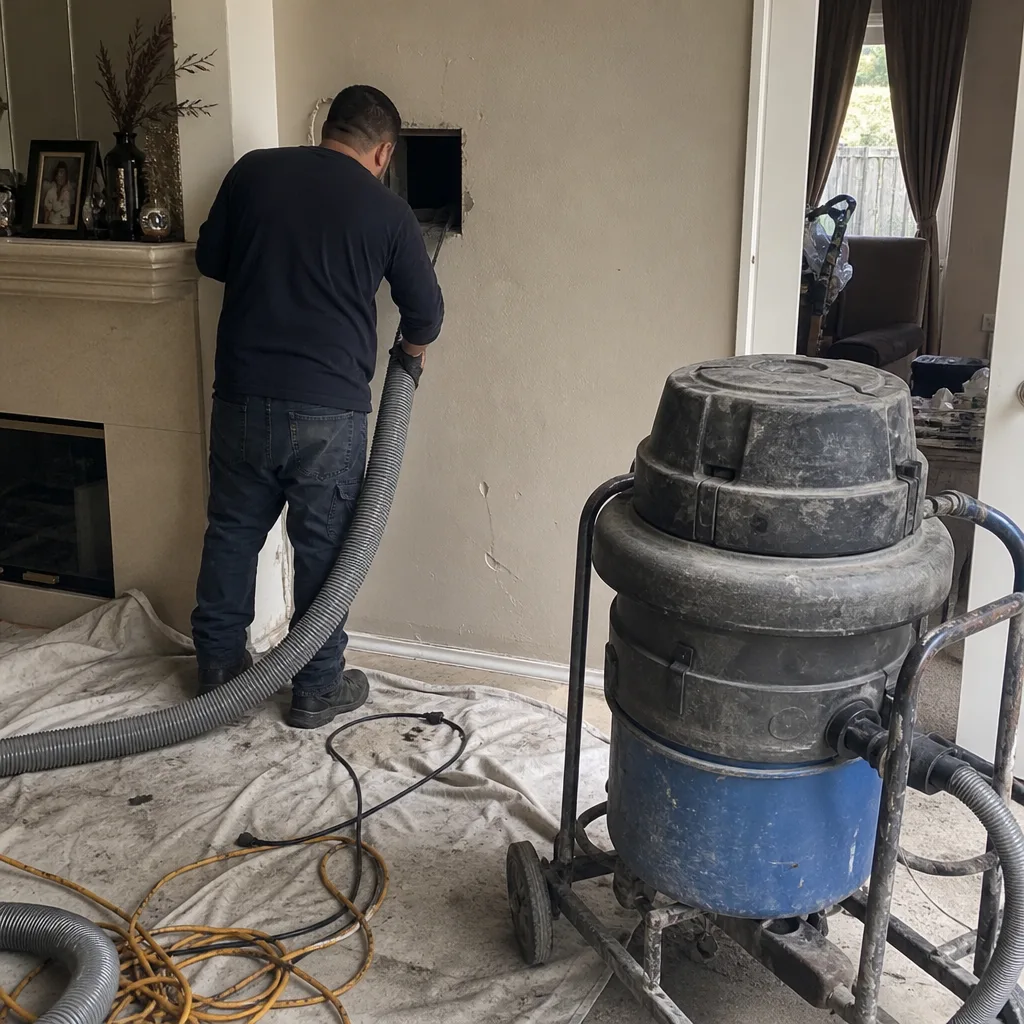 Before
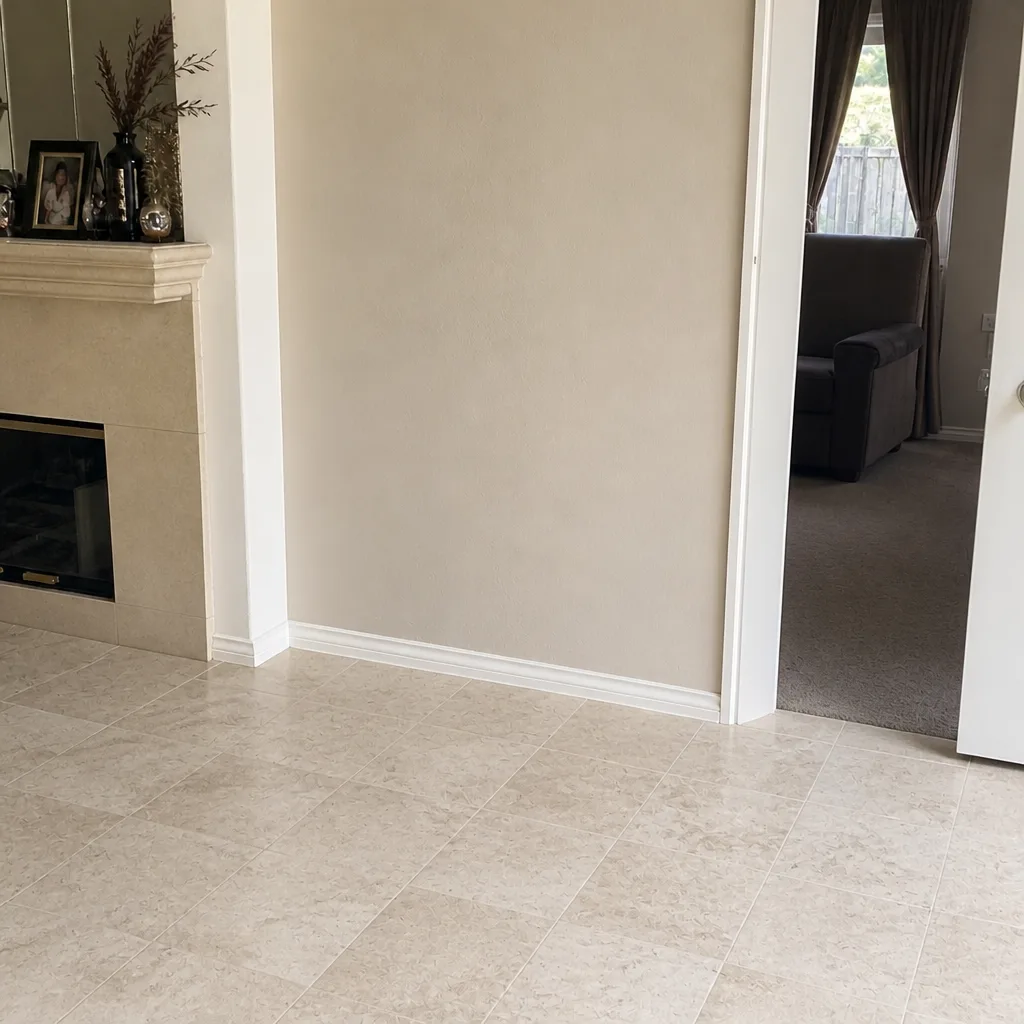 After