
Last updated November 23, 2026
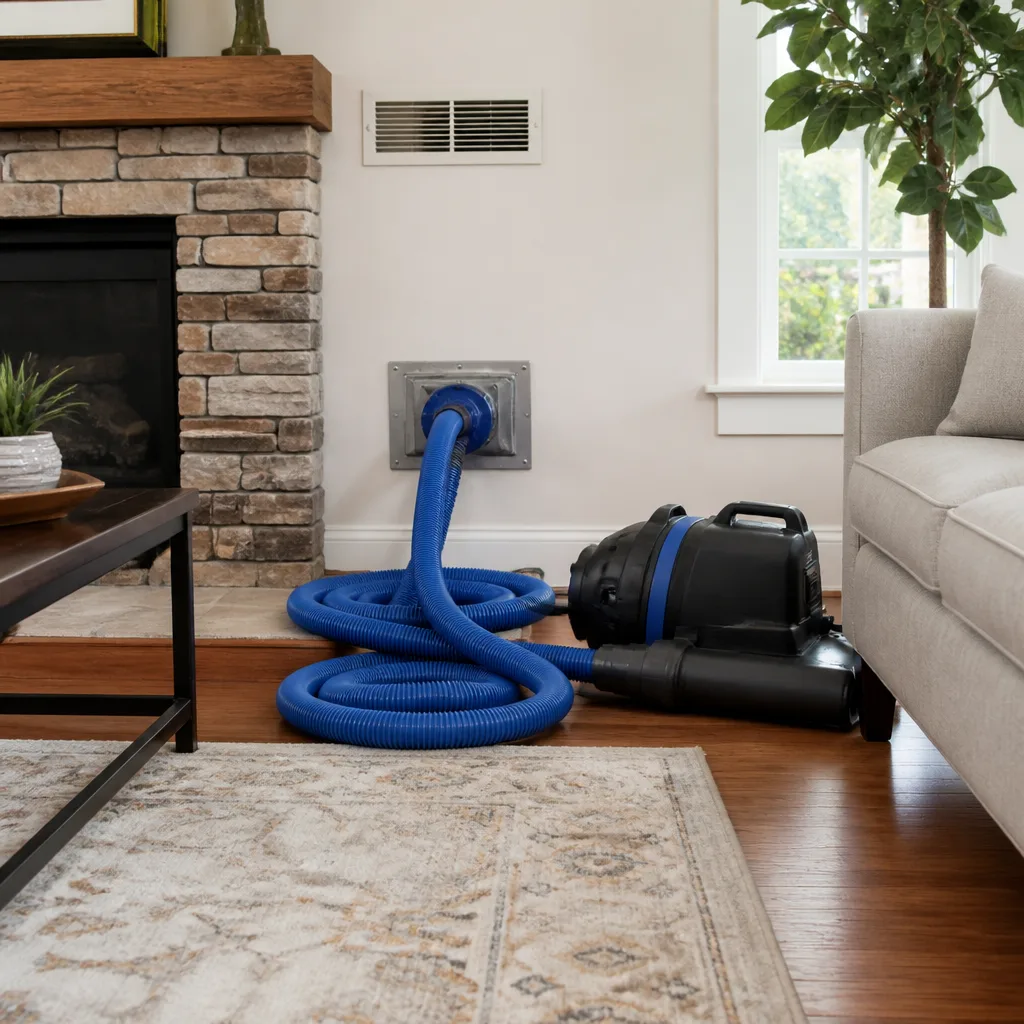 Whole-home duct cleaning
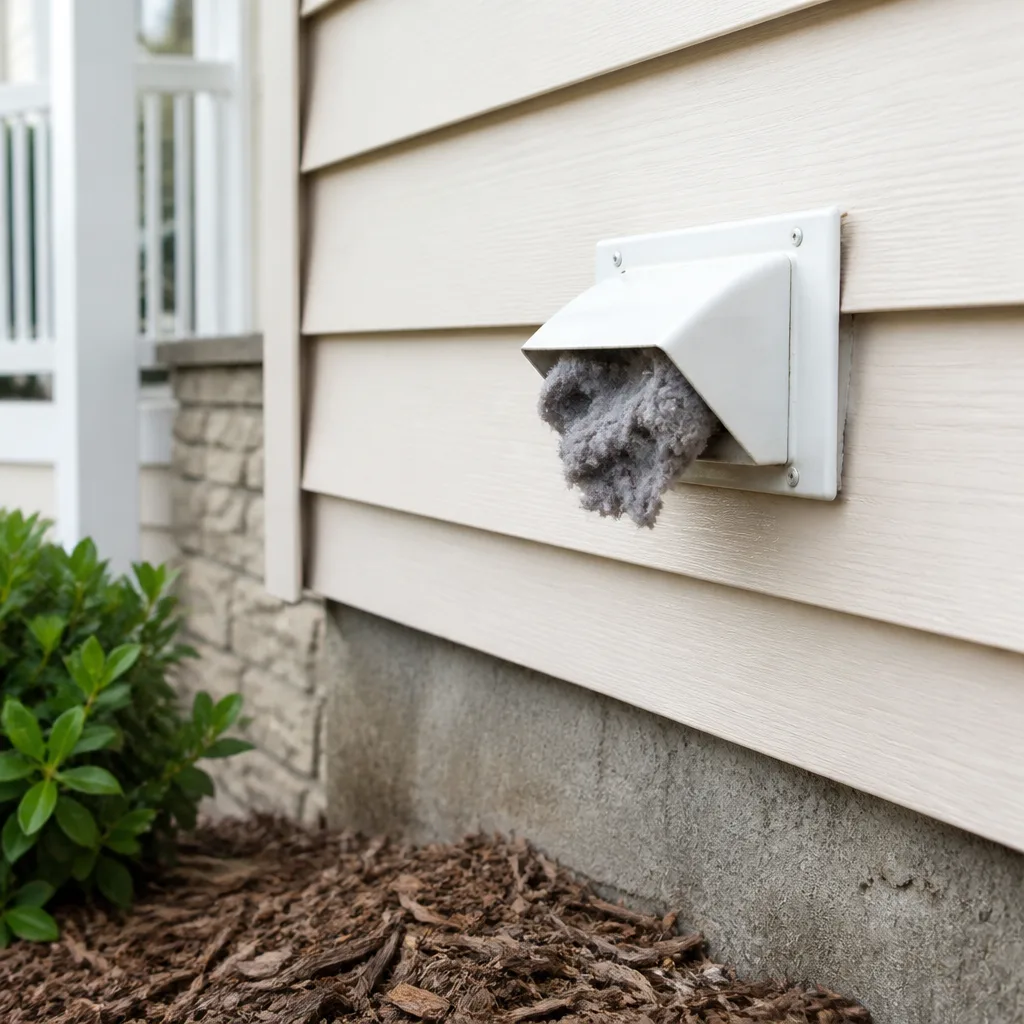 Dryer vent cleaning
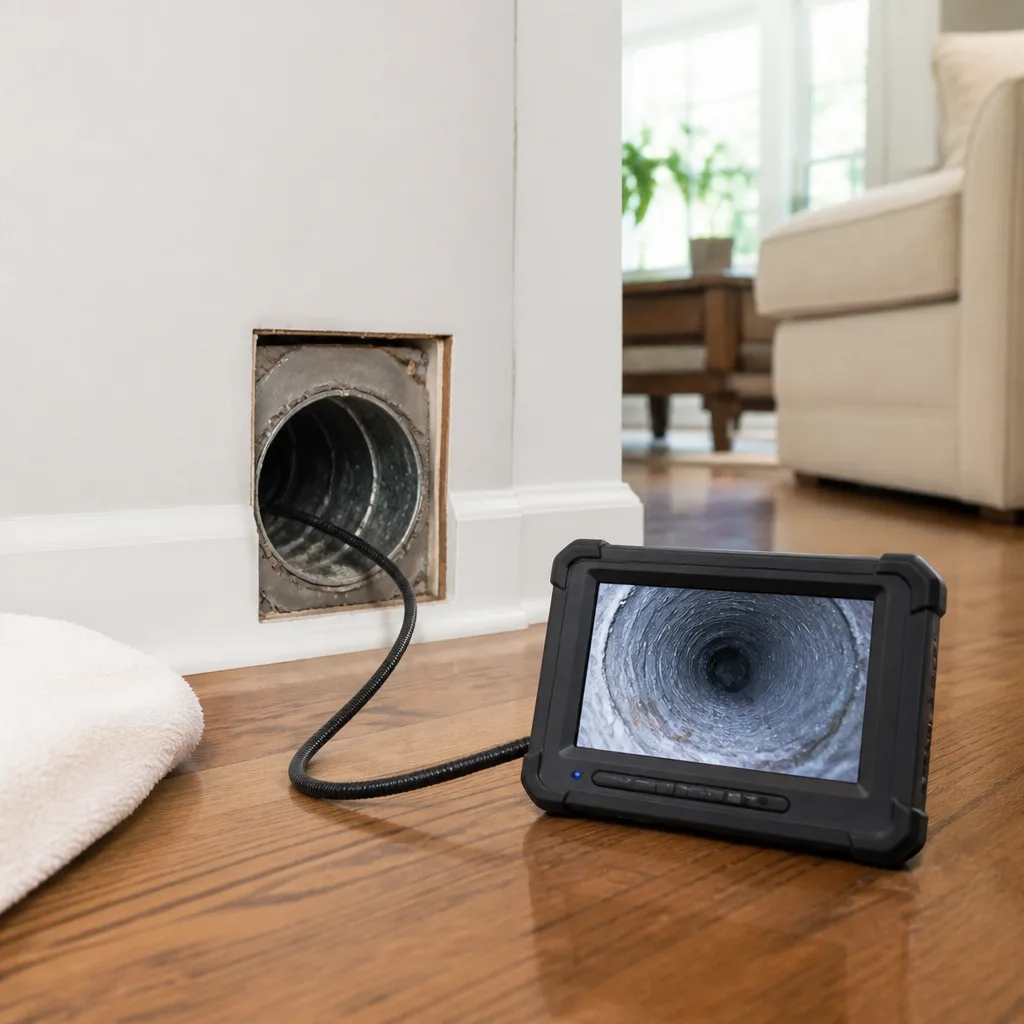 Camera inspection
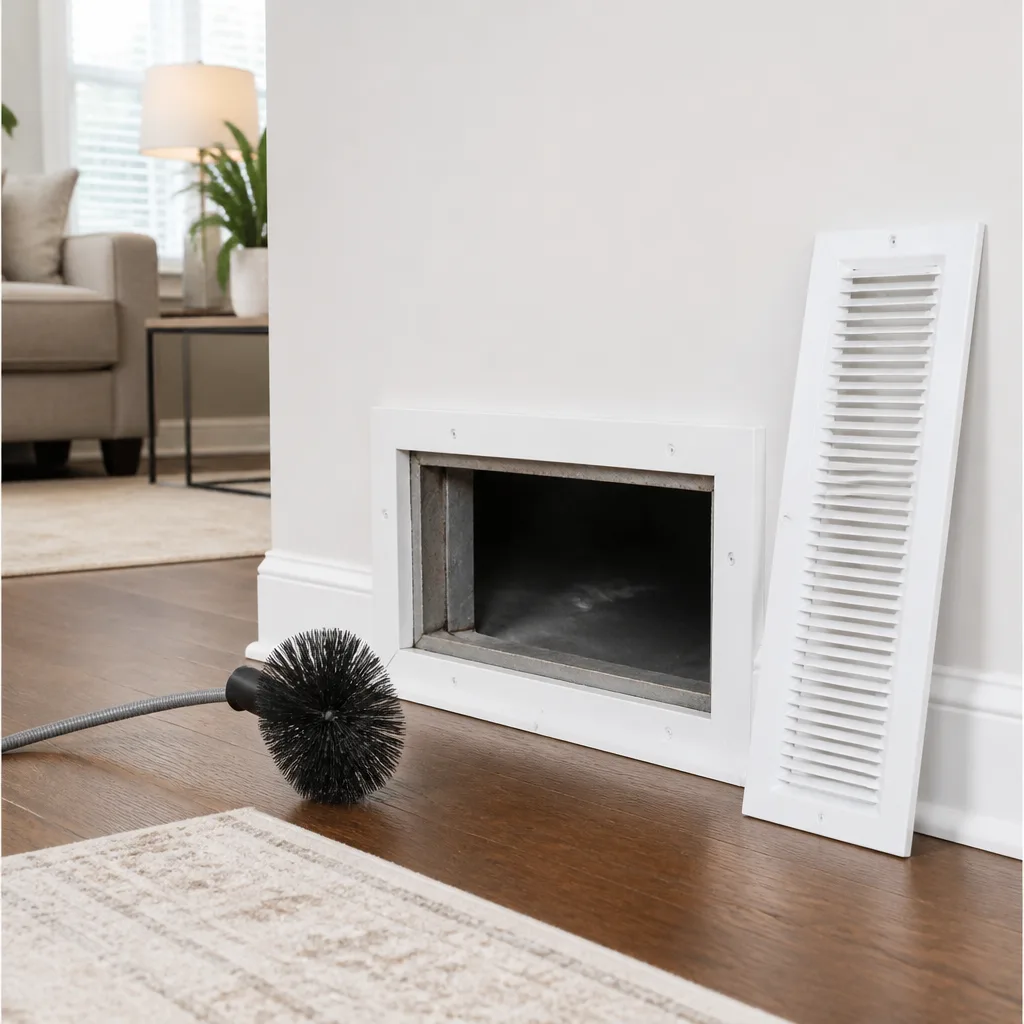 Sanitizing & deodorizing
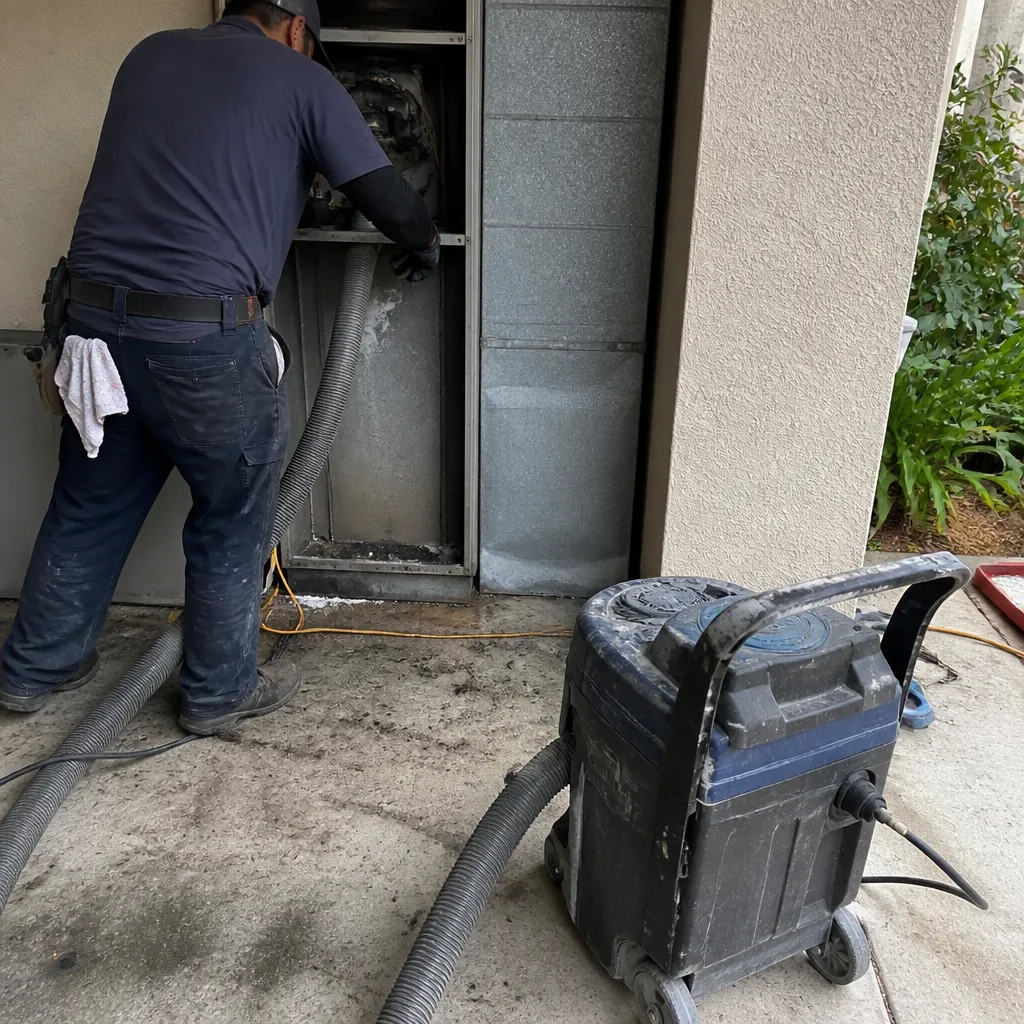
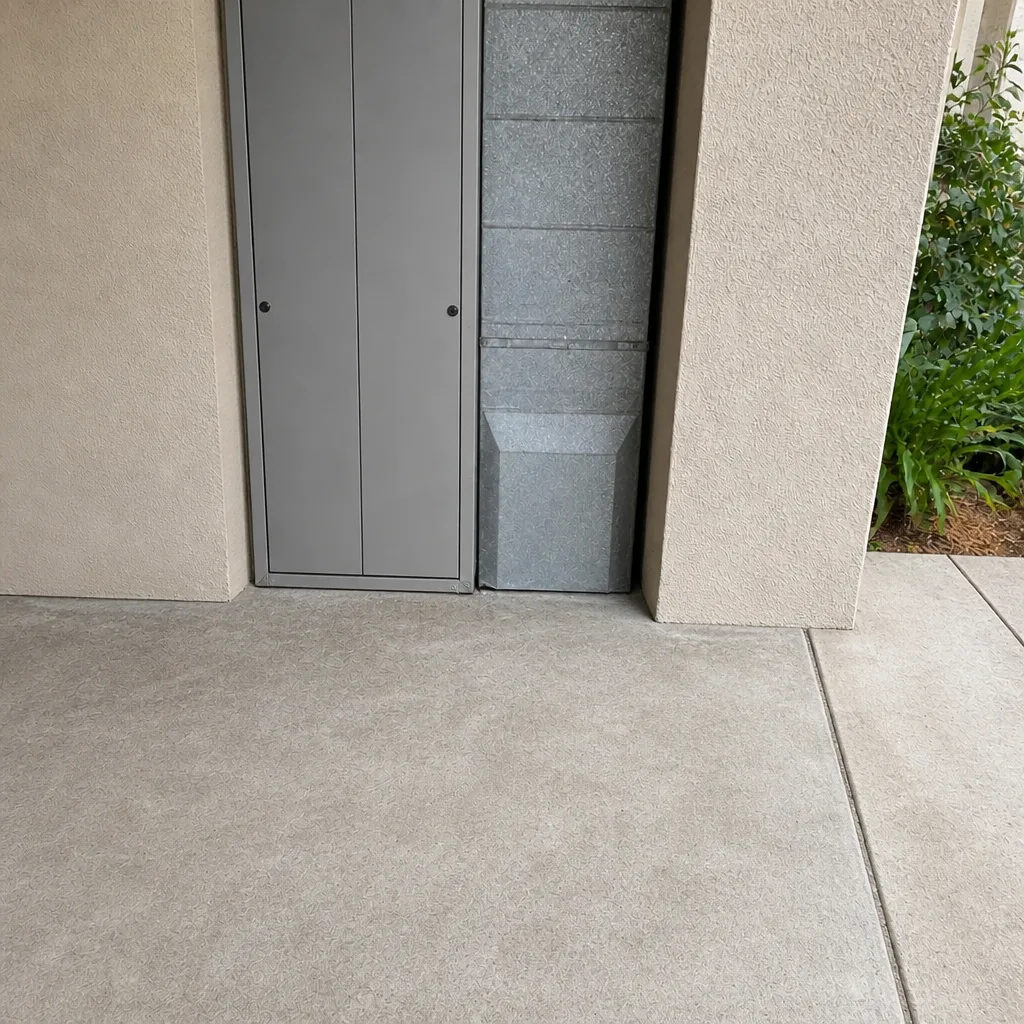
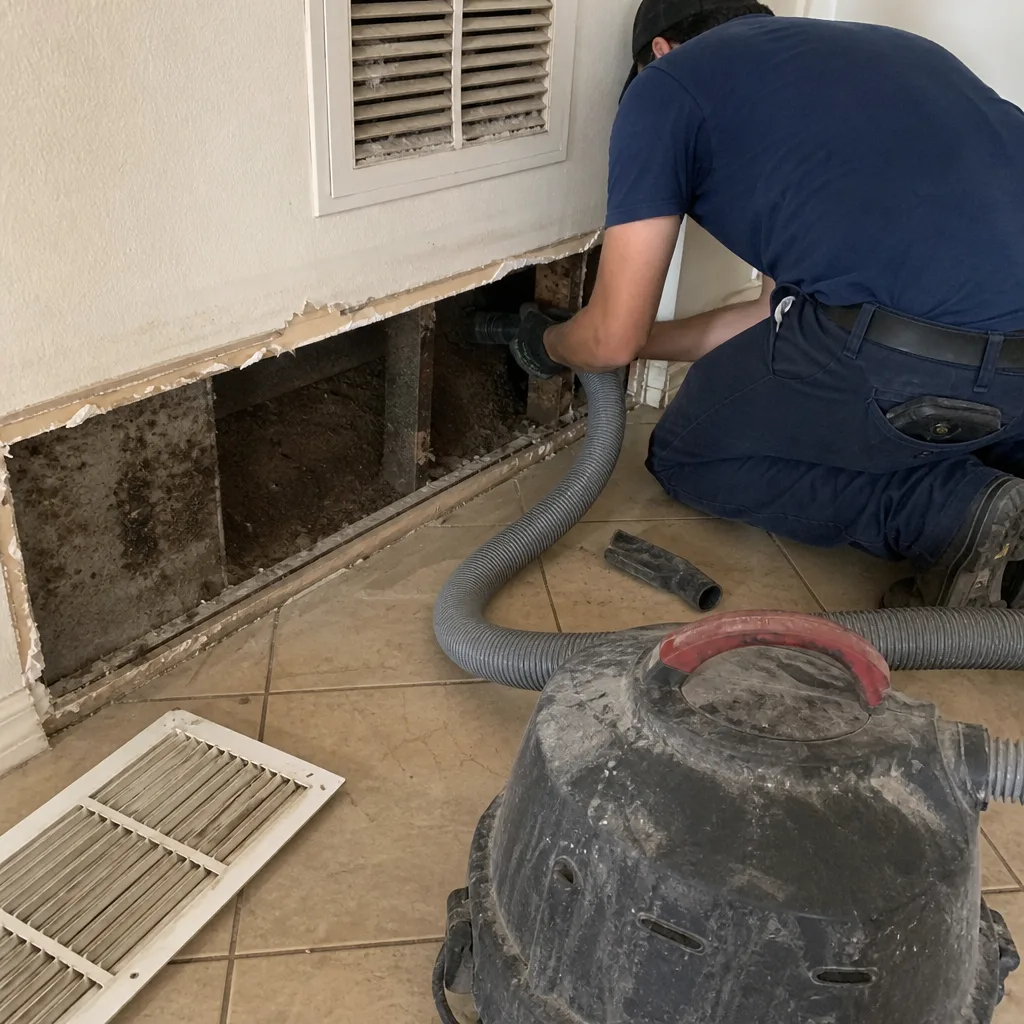
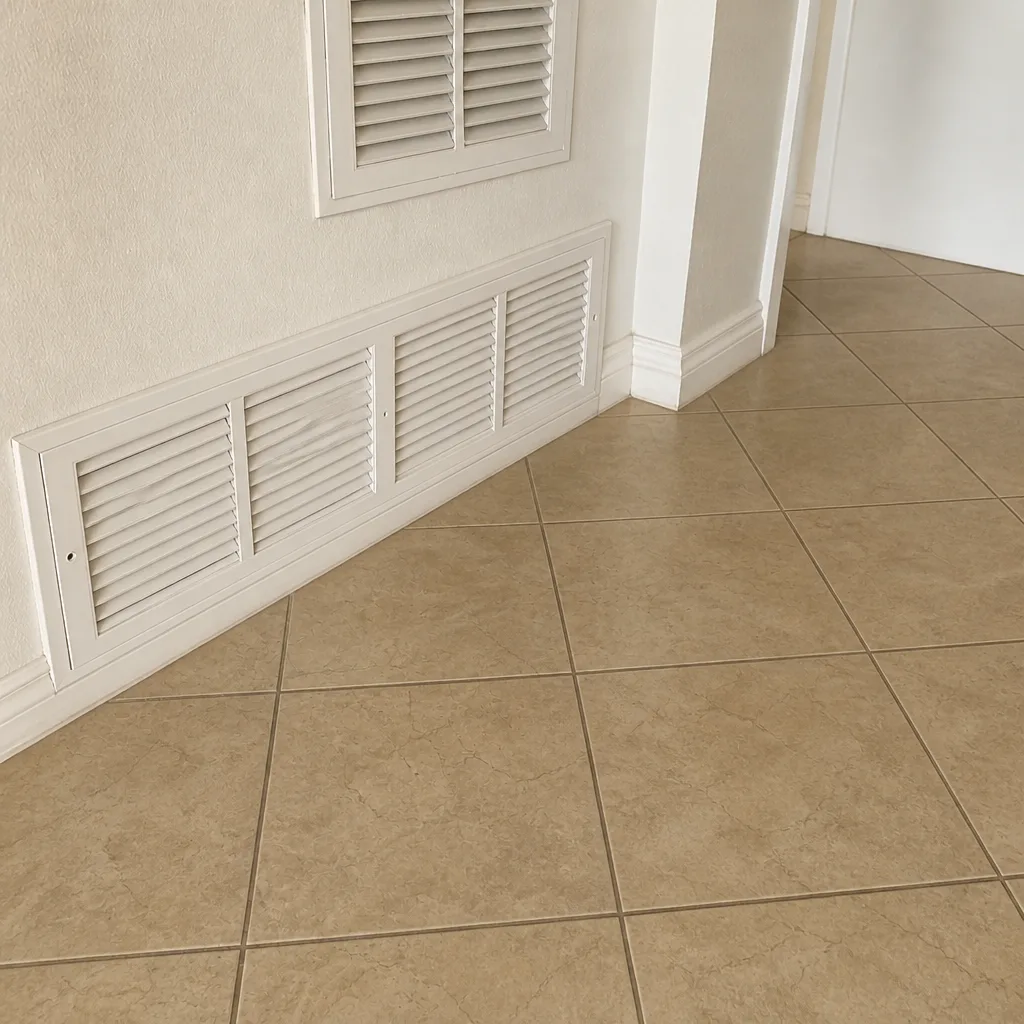
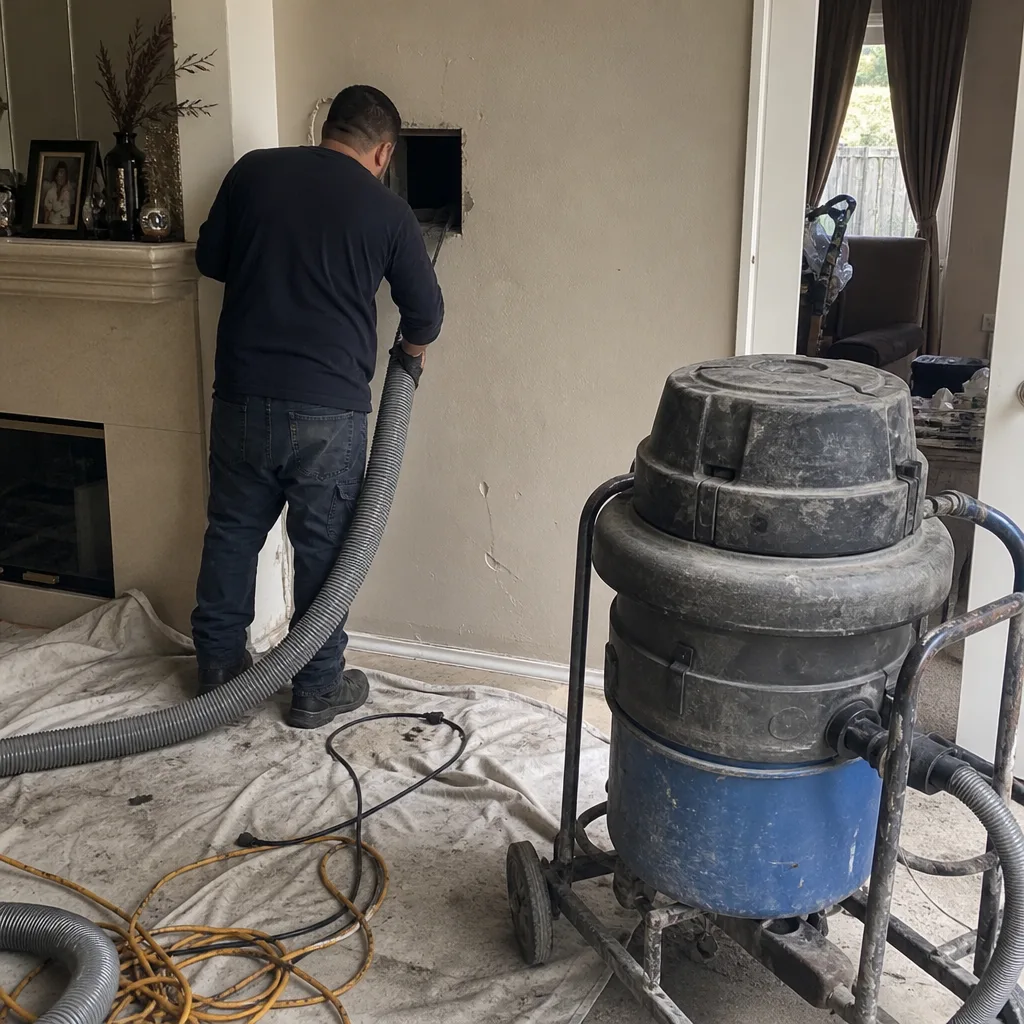
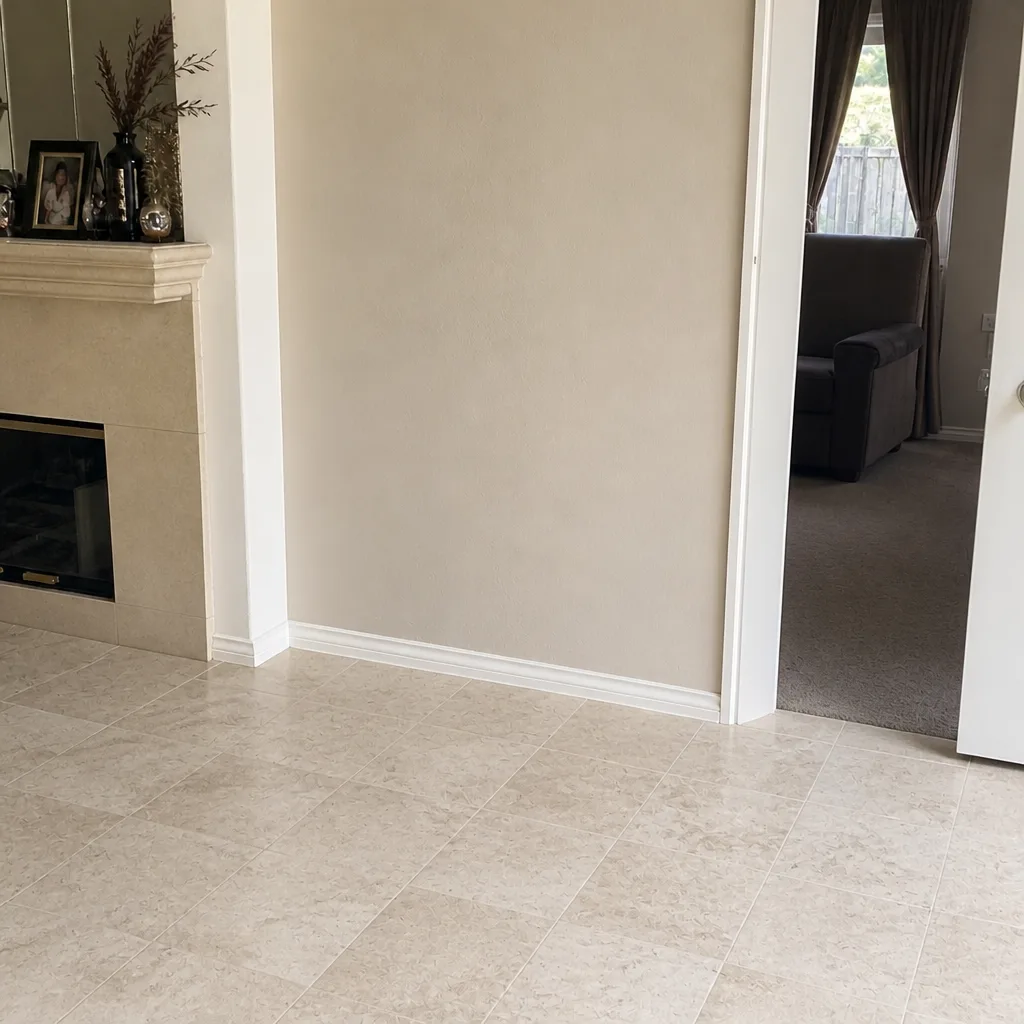
Whole-system duct and dryer vent check with before-and-after photos - you see exactly what came out of your vents
That "$99 whole-house special" is a bait ad - the real number appears once they are in your hallway, or the "clean" is a shop-vac at the register. We photograph the inside of your ducts before and after instead.
How to Hire an Air Duct Cleaning Contractor in Brea: A Step-by-Step Guide
Any contractor can say they follow NADCA standards. Ask them what static pressure reading they target after cleaning and watch how fast the conversation changes. That single question separates the companies that understand duct systems from the ones that own a vacuum truck and a clipboard. Most Brea homeowners walk into this process thinking the hard part is the license check. It isn’t. The hard part is learning to hear the difference between a real system assessment and a sales pitch delivered while a truck idles in your driveway.
This guide gives you the exact questions to ask, the documents to verify, and the traps to recognize. It’s written for homeowners and property managers in Brea who want one accountable professional handling the whole job, not a rotating cast of vendors.
Quick Answer
To hire an air duct cleaning contractor in Brea, verify the company’s CSLB license through the California State License Board’s online lookup, confirm they use professional-grade equipment like Rotobrush or Nikro systems, and insist on a written estimate that lists access points, linear footage of ducts, and scope exclusions. Ask what static pressure they target after cleaning. A qualified contractor answers without hesitation. A company that pauses or deflects is telling you what you need to know.
Styles & brands we work with
- Whole-home duct cleaning
- Dryer vent cleaning
- Camera inspection
- Sanitizing & deodorizing
Table of Contents
- The Five Technical Questions That Reveal a Real Contractor
- California Licensing: Verify CSLB Standing in Under Two Minutes
- What a Legitimate Written Estimate Must Include
- The “Whole House Special” Pricing Trap
- How to Read Duct Repair and Sealing Add-Ons
- Why Equipment Type Tells You So Much
- Matching the Service to the Problem
- Common Mistakes to Avoid
The Five Technical Questions That Reveal a Real Contractor
These aren’t trivia. Each question tests one of five competencies a real duct contractor needs: airflow measurement, contamination assessment, equipment knowledge, documentation practice, and the ability to tell you when cleaning isn’t the answer. If a company owns the correct Rotobrush or Nikro equipment, they’ll recognize these terms as part of the job.
- “What static pressure do you bring the system down to after cleaning?” A good answer is specific – they’ll mention measuring before and after cleaning with a manometer because restricted airflow is the primary problem cleaning solves. A red flag answer is vague: “we just clean it out and you’ll feel the difference.”
- “How do you assess contamination before you quote?” A good answer includes a camera inspection or an opening cut at the plenum and trunk line, not just an eyeball look into a floor register. A red flag answer is a phone quote based on the number of vents.
- “What equipment do you use and what’s its capacity?” A good answer names the actual machine, like a Rotobrush or Nikro system. A red flag answer is “our truck-mounted vacuum” with no specifics, or a hesitation that suggests a shop vac and duct brush.
- “Do you photograph the before-and-after, and can I see it?” A good answer is an immediate yes with an offer to show you the images on completion. A red flag answer is anything that sounds like “we don’t usually bother.”
- “If you find a leak or a collapsed section during cleaning, what happens?” A good answer is that they document it, tell you on the spot, and can quote a repair. A red flag answer is a vague “we’d have to send someone out.” A real full-system contractor handles the repair and sealing as a named service, not as a referral.
In our experience in the Brea market, the questions that reveal the most are the ones about process, not price. Anyone can quote a number. Far fewer can explain what they’ll do differently when the ducts are the problem. For a deeper look at what proper cleaning entails, see our guide to air duct cleaning.
California Licensing: Verify CSLB Standing in Under Two Minutes
California contractors who perform HVAC work or duct cleaning on your heating and cooling system are generally required to hold a C-20 license (Warm-Air Heating, Ventilating and Air-Conditioning) or a C-43 Sheet Metal license, depending on the scope of work. A general B license does not automatically cover HVAC-adjacent work, so ask the specific question. In Brea, the city’s building department can tell you whether your project additionally requires a permit, and most municipalities in Orange County do require permits for duct replacement or substantial modifications.
Verifying the license takes about two minutes:
- Ask the contractor for their license number before you go any further. Any hesitation here ends the conversation.
- Go to the California State License Board’s online license lookup and enter the number.
- Confirm three things: the license is active, the classification matches the work, and there’s no disciplinary history or bond lapse flagged.
- Check that the name on the license matches the name on the estimate. A subcontractor arrangement is fine, but you need to know who’s on the job.
Ask also whether the local pro carries general liability and workers’ compensation. The local pro should be licensed and insured as their state requires. This isn’t a technicality; it’s the difference between a contractor who can make you whole if a duct sleeve gets damaged and one who can’t. Brea homeowners with older mid-century housing stock near downtown should be especially careful about older ductwork, where the wrong tool or too much pressure can rip a connection that was already brittle. If your system is older, ask about duct repair and sealing at the same time.
What a Legitimate Written Estimate Must Include
A real estimate is a document you can hold in your hand, and it contains four things. If any of these are missing, the price you’re quoted isn’t a price; it’s an opening bid.
- Access point count. A documented duct system has a known number of access points required to clean it properly. A number of registers is not the same as a number of access points. Ask them to write down how many they plan to cut and where.
- Linear footage of ducts. A legitimate contractor measures or estimates linear footage based on the home’s layout, not just a room count. Two thousand-square-foot homes in Brea can have very different duct runs depending on when they were built and how they were configured.
- Equipment type. The estimate should name the machine. If it says “professional duct cleaning equipment,” ask them to get specific. Rotobrush and Nikro systems are purpose-built commercial platforms, and naming them tells you the contractor isn’t guessing.
- Scope exclusions. Everything they’re not doing should be written down. Exclusions protect you; they define the boundary between the agreed price and a mid-job conversation about “discovering” additional work.
Add a fifth if you want to compare apples to apples: what happens if they find a leak. A contractor who includes duct repair and sealing as part of the service scope gives you one person to hold accountable. That’s part of the reason a full-system approach is worth insisting on, which is exactly the setup we describe on our Brea Air Duct Cleaning Pros home page. A written estimate sets the final price per job, agreed before work starts, so there are no surprises once the equipment is in your hallway.
The “Whole House Special” Pricing Trap
A flat-rate phone quote for “the whole house” is a bait-and-switch setup, and here’s why: a real duct cleaning price depends on the number of access points, the linear footage, the level of contamination, the condition of the connections, and whether repair or sealing will be needed. No contractor can give you a firm number over the phone before seeing any of that. When a company offers one anyway, they’re not quoting the job; they’re quoting the appearance fee. The actual number arrives after the technician is in your home and has “discovered” problems.
What good looks like: the contractor asks for your address, the number of rooms, the approximate age of the home, and whether you’ve had a prior duct inspection. They may give you a range with the caveat that the written estimate after inspection sets the final number. That’s how a legitimate price gets built. In Brea, where housing stock ranges from mid-century homes near the Brea Mall to newer construction in the north hills, duct layouts vary enormously, and any contractor who ignores that is guessing.
When you compare quotes, line them up side by side and ask each contractor the same five technical questions from earlier in this guide. The company that answers all five with specifics is likely charging what the job actually costs. The company that answers none and offers a suspiciously low number isn’t cheaper; they’re just charging you in a different place on the invoice. We’ve seen enough homes in Brea to know that the range for a proper job is what it is. The price is set per job by the written estimate, no per-vent games.
How to Read Duct Repair and Sealing Add-Ons
Recommendations for duct repair and sealing are legitimate when they’re backed by evidence, and they’re an upsell when they aren’t. The difference is documentation.
A legitimate recommendation looks like this: after inspection, the contractor shows you photographs or a video of a disconnected joint, a crushed flex run, a torn insulated sleeve, or a trunk line with visible gaps at the seams. They identify the location, explain what the leak means for your system’s efficiency and air quality, and quote the repair as a separate line item on the written estimate. Duct repair and sealing are a recognized standalone service because leaks at joints can waste a meaningful share of the air your HVAC system moves. The fix is a real fix, done with proper mastic and mesh, and it’s usually worth doing the same day the ducts are cleaned.
An upsell looks like this: the recommendation arrives without evidence, in general terms (“your ducts have some leaks, we can seal them for X more”), after the cleaning has already started. There’s no photo, no location description, and no explanation of what’s leaking or why it matters.
Ask three questions about any add-on:
- Can you show me the leak?
- Where is it and what does it affect?
- Is it a repair or a seal, and what’s the material spec?
If those three get clean answers, the recommendation is probably genuine. If they don’t, decline and get a second opinion. A contractor who can handle a repair without you calling a second company is the one worth keeping.
Why Equipment Type Tells You So Much
Equipment is the tell. A contractor using consumer-grade tools or a repurposed shop vacuum can’t do this work properly, and the difference shows up in the details. Professional duct cleaning requires negative-pressure containment to prevent contamination from migrating into living space, rotary agitation to dislodge buildup that’s adhered to the duct walls, and HEPA filtration on the exhaust. Rotobrush and Nikro systems are engineered around exactly these functions. Asking about the equipment isn’t about brand loyalty; it’s about holding the contractor to a standard that only real systems can meet.
A practical way to evaluate:
- Ask them to describe the containment setup. If the answer is “we put down drop cloths,” they’re describing furniture protection, not air containment.
- Ask about agitation. A real system uses mechanical rotary agitation to loosen material along the length of the duct, not just at the opening.
- Ask about filtration. HEPA filtration on the exhaust side is the standard for professional work.
- Ask about documentation. Before-and-after photos of your actual ducts are part of the job, not a favor.
These four points matter for every part of the system, including the dryer vent. A dryer vent is a short run but a serious fire-safety path, and it deserves a dedicated visit with the correct tools, not an add-on tacked onto duct cleaning. That’s why we treat dryer vent cleaning as its own service with its own standard. It’s also true for the HVAC side: a company that cleans ducts but won’t touch the air handler is leaving a major source of contamination in place. Our HVAC cleaning service exists because the health of the system is the whole point. And where the system benefits from filtration or air treatment hardware, professional products from names like Honeywell and Aprilaire give you a verifiable upgrade rather than a fabricated one.
Matching the Service to the Problem
Before you hire anyone, be clear on what you actually need. Homeowners in Brea often call for duct cleaning when the real issue is one of four other things. Walking in with the right diagnosis makes the hiring conversation much easier.
- The dryer takes two or three cycles to dry a load. That points to a clogged dryer vent, which is a fire-safety condition, not just an inconvenience. This is its own service, and it’s not the same as duct cleaning.
- Certain rooms are always too hot or too cold. That’s a duct design, sealing, or static-pressure problem, not just buildup. A cleaning without a diagnosis won’t fix it.
- You smell mustiness when the system first kicks on. That can be contamination in the air handler, microbial growth on the evaporator coil, or a moisture problem upstream. HVAC cleaning addresses the source; dusting the vents does not.
- You want better air in the house. That’s an air quality question. Cleaning removes the source, and filtration or treatment hardware from Honeywell, Aprilaire, or Abatement Technologies maintains the improvement after the visit.
When you’re describing the problem to a contractor, use these categories and see if they sound reasonable or try to sell you the same cleaning package regardless of what you say. The contractor who’s actually listening will tell you which service matches your issue. The contractor who isn’t listening will quote duct cleaning for everything. In our experience, the ones who diagnose first are the ones who show up with the right tools.
Common Mistakes to Avoid
- Booking on a phone-only flat rate. Any quote offered before anyone has seen your ducts or measured your system is an opening figure, not a price. It normalizes the bait-and-switch model, and you’ll pay for it later.
- Confusing a license with an HVAC license. A general B license doesn’t automatically cover HVAC-adjacent work. Ask for the specific classification and verify it on the CSLB lookup, especially on older Brea homes where improper work can damage original ductwork.
- Skipping the equipment question. If the contractor can’t name the machine they’ll bring, don’t assume it’s professional. A vacuum without rotary agitation and HEPA containment doesn’t clean a system; it stirs it up.
- Accepting an add-on without evidence. Duct repair and sealing recommendations should always come with a photo, a location, and a reason. Vague recommendations without documentation are an upsell, not a service.
- Treating the dryer vent as an add-on. Dryer vent fire risk is real, and a dedicated dryer vent cleaning with the right tools is not the same as running the duct vacuum past the vent opening. Ask for it as a standalone service.
- Hiring separate companies for cleaning and repair. If one contractor cleans and another repairs, nobody owns the outcome. A contractor who does both keeps the accountability in one place.
- Not asking for before-and-after photos. Documentation is how you know the work was actually done. Any contractor who won’t show you the images is asking you to trust the vague word “cleaned.”
- Forgetting to ask about sanitizing and treatment. Cleaning removes the source; treatment from Guardsman-grade products and air quality hardware from recognized brands maintains the improvement. If you’re going to the trouble of a full job, ask about the maintenance piece.
See the difference
 Before
 After
 Before
 After
 Before
 After
When to Call a Professional
Call a professional when the dryer takes longer than a cycle or two to dry a load, when you notice visible dust blowing from registers within a day of vacuuming, when certain rooms in the house are consistently warmer or cooler than the rest, when there’s a musty smell each time the system starts, or when you can’t remember a duct inspection and your home is more than a decade old. These are all signs that cleaning alone may not solve the problem, and a proper assessment matters more than a quick vacuum.
Call a professional also when you want one accountable company handling the whole system – cleaning, dryer vent safety, HVAC service, repair and sealing, and air quality treatment – rather than patching the job together across vendors.
Brea Air Duct Cleaning Pros offers free estimates in Brea. Call (866) 947-9306. We answer 24/7. Fast dispatch from 7am to 7pm, Sunday through Friday.
Frequently Asked Questions
Air duct cleaning in Brea is typically priced per job based on access points, linear footage, contamination level, and whether repair or sealing is needed, not per vent. A written estimate, agreed before work starts, sets the final price. Be wary of any contractor who offers a firm flat rate before inspecting the system; that’s the setup for a mid-job upsell. Call (866) 947-9306 for an exact quote – estimates are free.
Cheap quotes usually reflect cheaper equipment, no HEPA containment, no rotary agitation, and a scope that leaves out the parts of the job that cost real time – actual access cuts, proper sealing, and documentation. The low number often isn’t the price of the job; it’s the price of the appearance, and the real invoice arrives after the technician is in the house. Compare the technical questions from this guide across quotes. Call (866) 947-9306 for an honest estimate.
Before-and-after photos of your own ducts, taken during the visit, are the standard. A professional contractor shows you the images, walks you through what was found, and documents any repair recommendation with a photo and location. If a contractor won’t provide that, the answer to “was it done” is that you have no way to know. Call (866) 947-9306 and ask to see the process before you book.
Most homes don’t need annual cleaning. Homes with pets, recent renovations, visible buildup, mold, or a history of respiratory irritation in the household benefit from more frequent service; a typical Brea home without those conditions can go several years between cleanings. The right interval depends on the system, the household, and what an inspection finds. Call (866) 947-9306 for a free assessment. We answer 24/7.
Duct replacement and substantial modifications typically require a permit in Orange County cities, including Brea. Routine cleaning usually does not. Your contractor should be able to tell you exactly what your job requires and who pulls the permit. If they can’t answer that, that’s information you need before you book. Call the city’s building department to confirm scope, and call (866) 947-9306 to discuss your estimate.
Duct cleaning focuses on the ducts; HVAC cleaning includes the air handler, evaporator coil, and blower that move the air through the system. Contamination often lives in the HVAC components, not just the ducts, and cleaning the ducts without cleaning the air handler leaves a major source in place. Ask which service your situation needs. Call (866) 947-9306 for a free estimate. Our technicians have up to 11 years of experience with these systems.
The Bottom Line
Hiring an air duct cleaning contractor in Brea comes down to five checks: verify the CSLB license and classification, demand a written estimate with access points and linear footage, ask about the equipment, insist on before-and-after documentation, and treat any add-on without a photo and a location as an upsell. A flat phone quote for “the whole house” is a red flag, not a deal. And if you want the whole system handled by one accountable company, from cleaning to repair to sealing, that’s the standard you should hold every bidder to.
We work in Brea because we know its housing stock, its duct layouts, and what a real job costs. If you want a straight answer and a written estimate, call Brea Air Duct Cleaning Pros at (866) 947-9306. We answer 24/7. Fast dispatch from 7am to 7pm, Sunday through Friday. Estimates are free, and the price is set per job by the written estimate before work starts.
Written by the team at Brea Air Duct Cleaning Pros.