
Last updated November 23, 2026
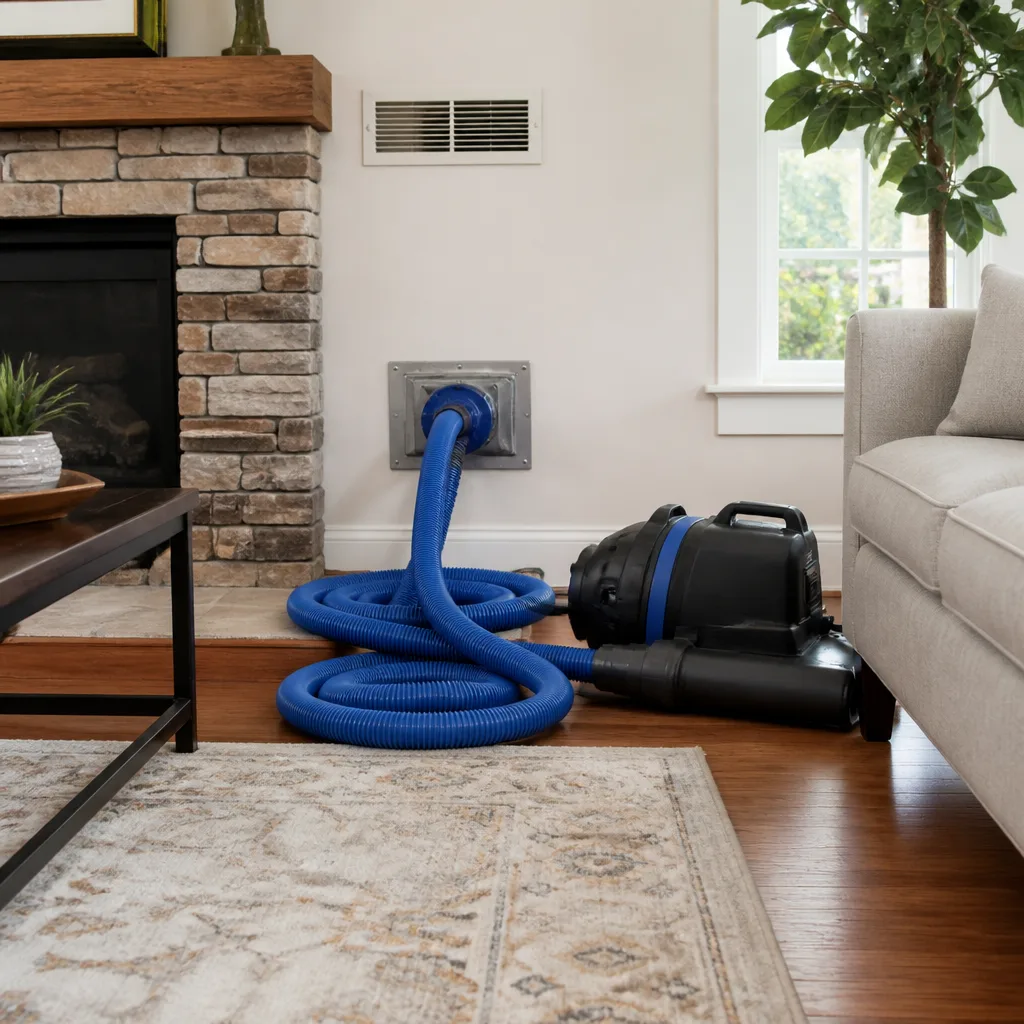 Whole-home duct cleaning
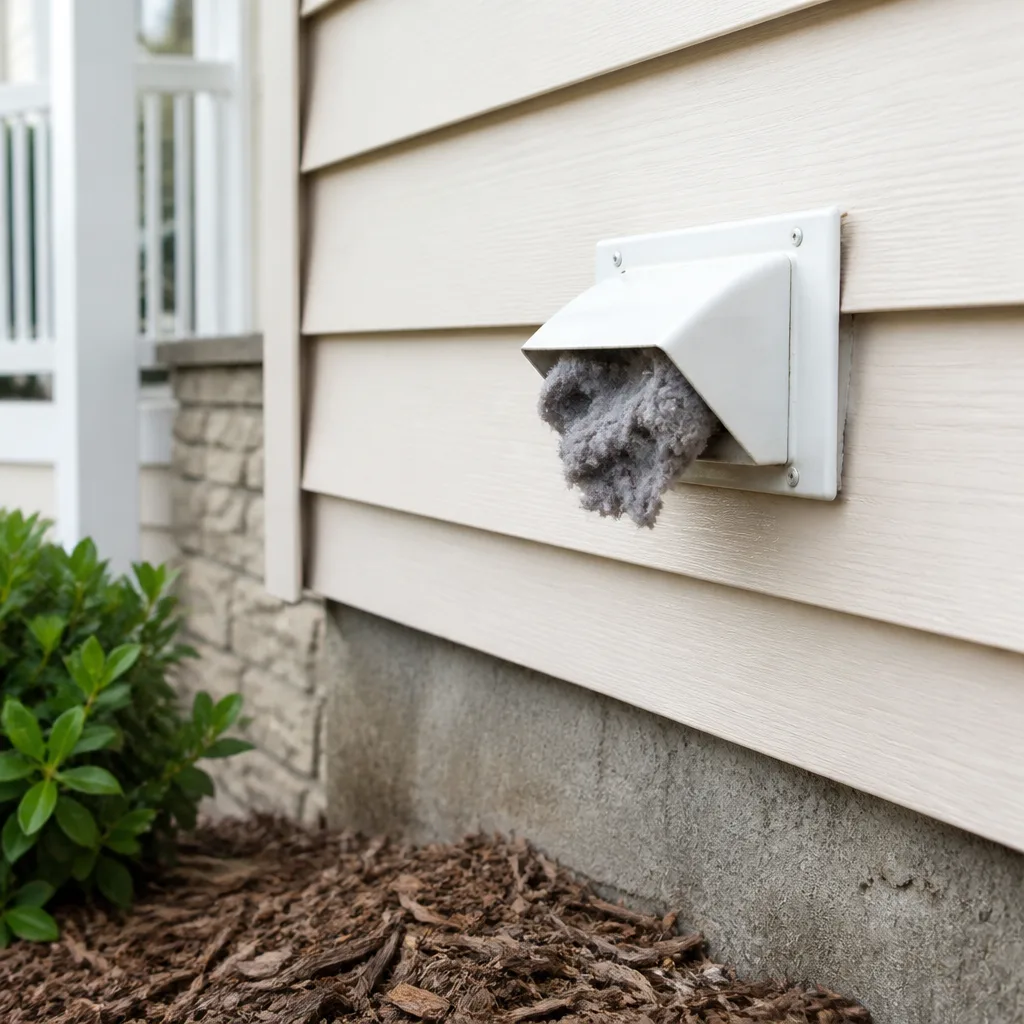 Dryer vent cleaning
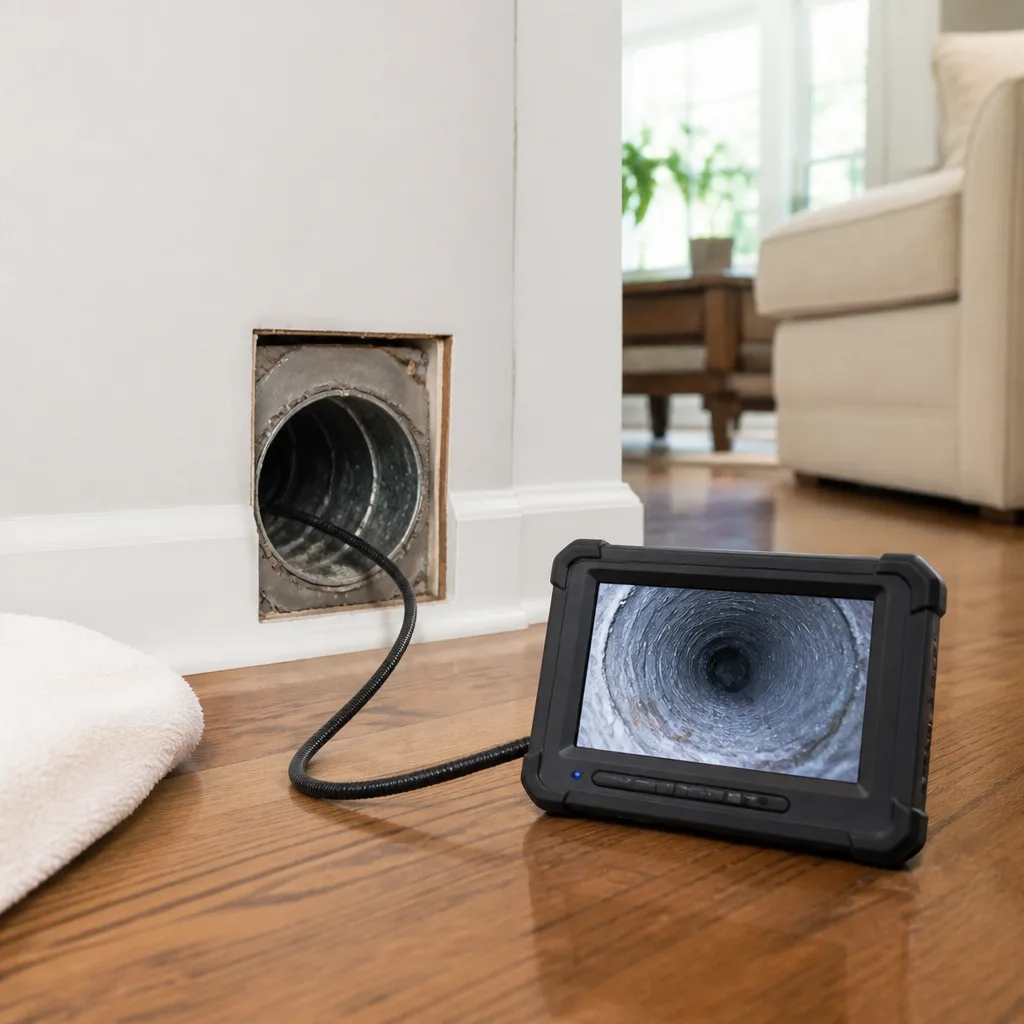 Camera inspection
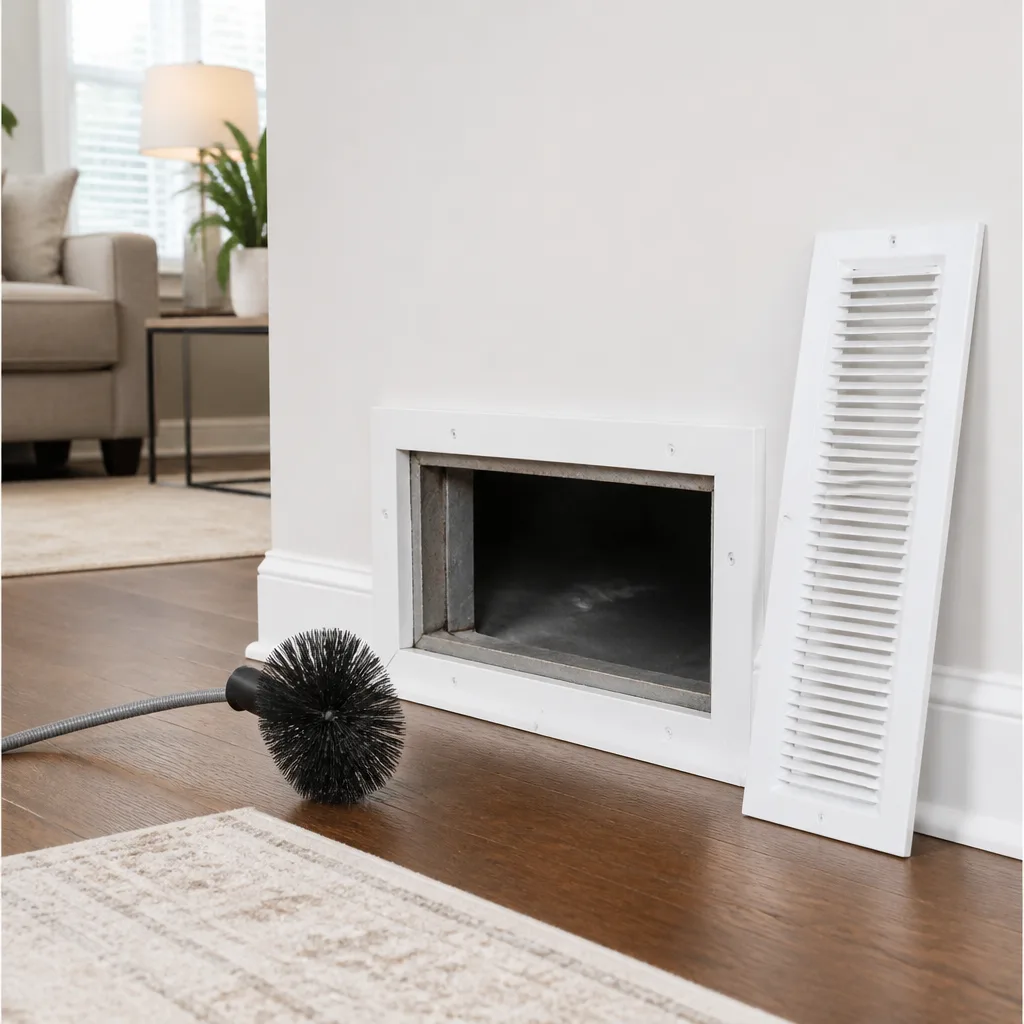 Sanitizing & deodorizing
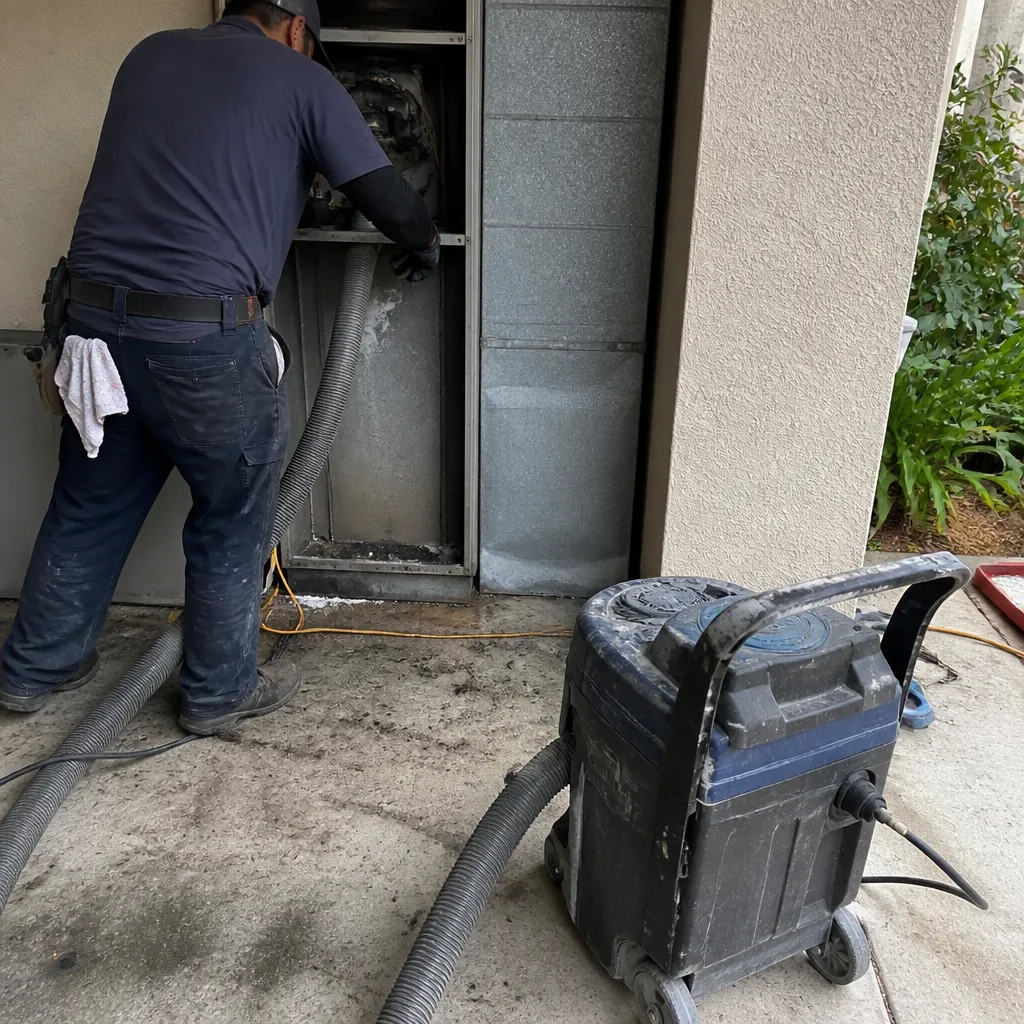
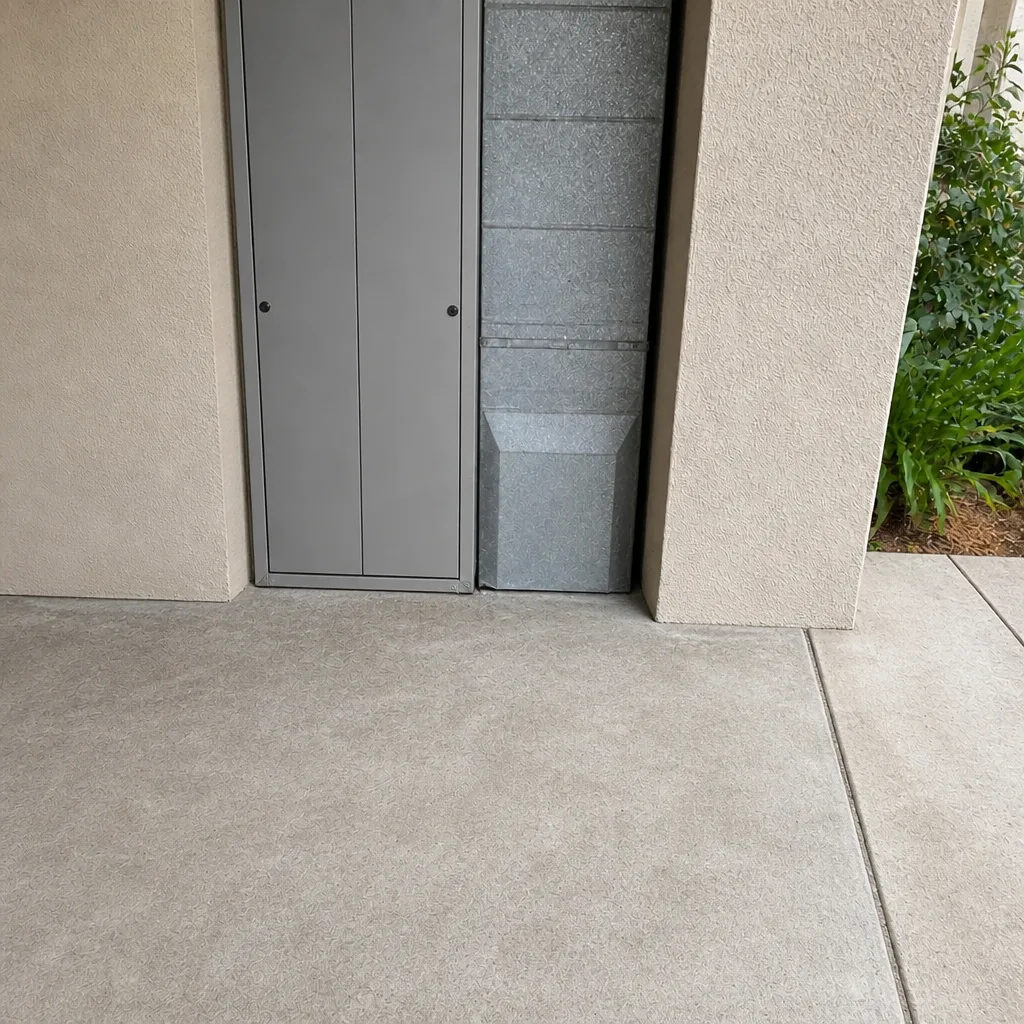
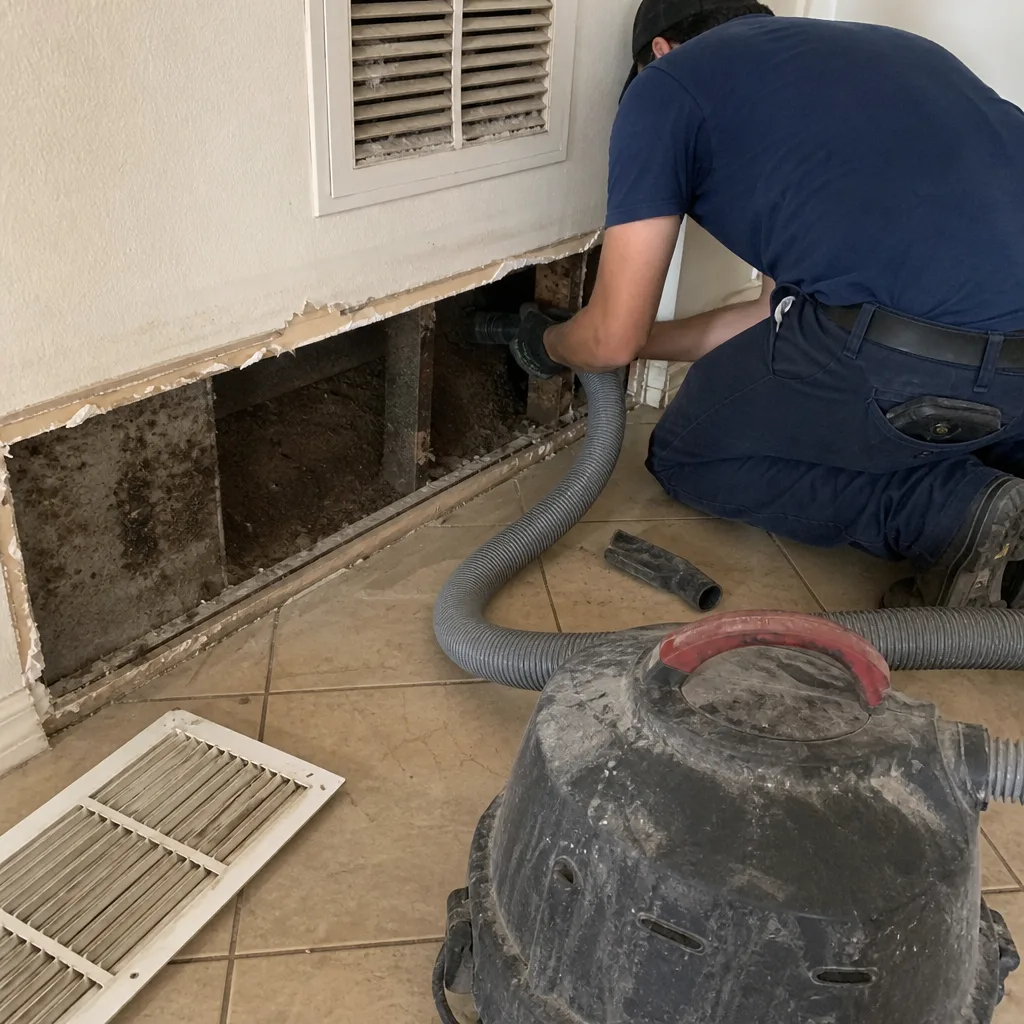
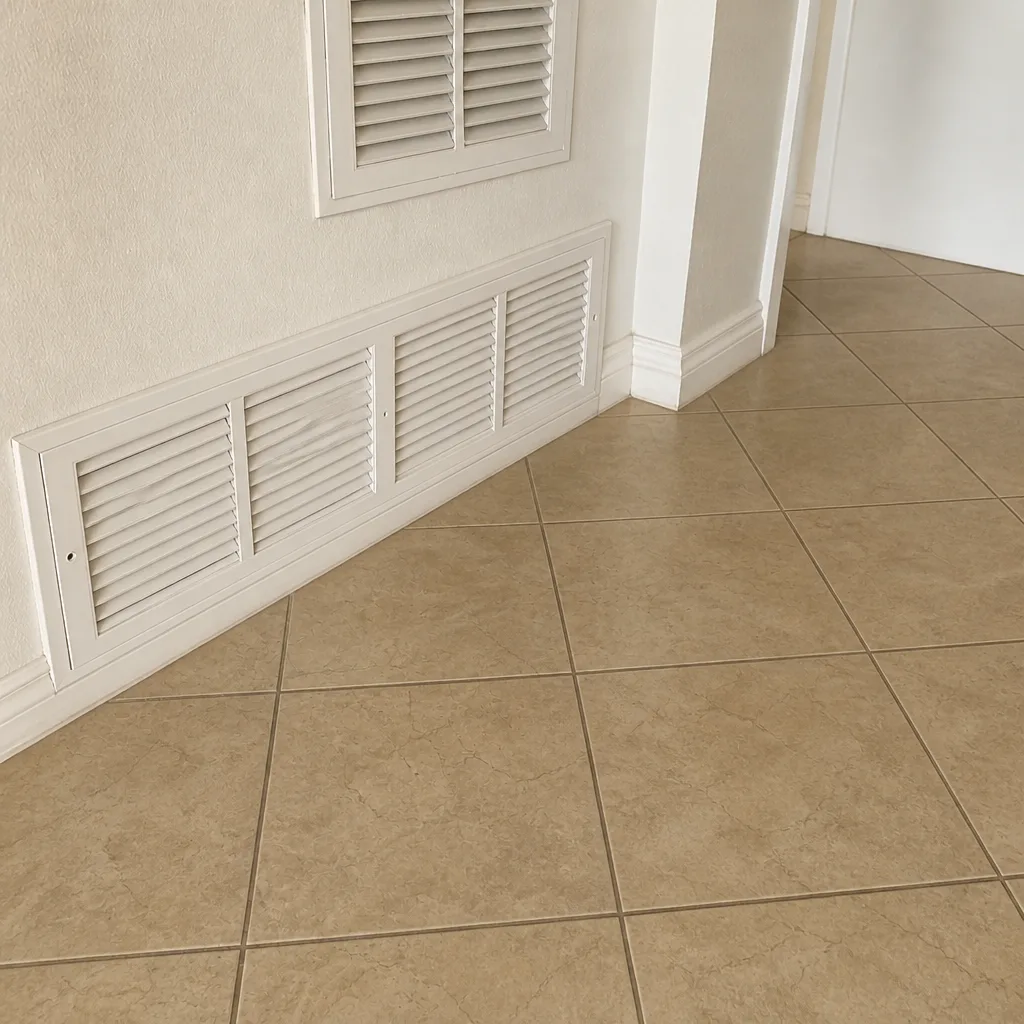
Whole-system duct and dryer vent check with before-and-after photos - you see exactly what came out of your vents
That "$99 whole-house special" is a bait ad - the real number appears once they are in your hallway, or the "clean" is a shop-vac at the register. We photograph the inside of your ducts before and after instead.
Seasonal Air Duct Cleaning Care for Brea: Year-Round Homeowner’s Guide
Most homeowners treat duct cleaning like an oil change – a fixed interval on the calendar, the same month every cycle, no matter what the air has actually been through. That habit makes less sense in Brea than almost anywhere else in Southern California. Your ducts don’t live through four tidy seasons. They live through a marine layer that soaks June mornings, a Santa Ana wind that pushes fine grit through every seam in October and November, and wildfire smoke windows that arrive without warning. Schedule a cleaning on a fixed three-year clock and you have roughly a one-in-four chance of timing it just before Santa Ana season loads your system with particulate you’ll be breathing all winter. This guide walks through Brea’s real air quality calendar, how each season stresses your ductwork, and how to build a service schedule around what your home actually faces.
Quick Answer
Duct cleaning in Brea should be timed to the local air calendar rather than a fixed three-year interval. That means a deep cleaning in early fall before Santa Ana winds and wildfire smoke season, a moisture inspection after June gloom, and filtration adjustments during smoke events to slow loading between professional visits. Homes near the hillsides, active construction zones, or with pets and allergy sufferers usually need professional attention more often than the standard interval suggests.
Styles & brands we work with
- Whole-home duct cleaning
- Dryer vent cleaning
- Camera inspection
- Sanitizing & deodorizing
Table of Contents
- What Brea’s Air Quality Calendar Actually Looks Like
- Why the Marine Layer Matters for Flex Duct
- Santa Ana Season and Particulate Loading
- Wildfire Smoke Windows: Year-Round, Not Seasonal
- Pre-Season vs. Post-Season: When to Schedule
- Adjusting HVAC Runtime and Filtration Between Cleanings
- Building a Year-Round Air Quality Log for Your Home
- What a Professional Cleaning Actually Involves
What Brea’s Air Quality Calendar Actually Looks Like
Brea sits in a particular spot in north Orange County: far enough inland to escape the heaviest coastal fog yet close enough to feel the marine layer roll in through the Coyote Hills and the Puente-La Habra gap on summer mornings. That geography creates four overlapping air patterns that matter for duct care, and they don’t line up neatly with the four seasons on a wall calendar.
Here’s the rough shape of the year as we see it in Brea homes:
- Late May through July (marine layer season): June gloom arrives as a cool, damp morning marine layer that often doesn’t burn off until midday. Indoor relative humidity rises, and duct systems that cooled overnight can collect condensation.
- August through September (heat and dust): Dry inland heat, dust from surrounding open land, and the tail end of construction season push more particulate into return grilles.
- October through November (Santa Ana season): Offshore winds bring hot, dry, particle-laden air down through the Santa Ana Canyon corridor. This is when duct seams and filtration get tested hardest.
- December through May (smoke and rain window): Wildfire smoke plumes drift south from elsewhere in the state, and the occasional rain event closes windows for days at a time, forcing the HVAC system to run as the only air exchange.
None of these windows is three years long. Each is a distinct loading event, and each stresses your ductwork in a different way. That’s why a fixed interval ignores what’s actually happening in a Brea home.
Why the Marine Layer Matters for Flex Duct
Marine layer humidity is the piece most homeowners overlook, because Brea feels drier than Huntington Beach on the same morning. But the June gloom doesn’t stop at the coastal cities. It pushes inland through the canyons and settles over Brea on many summer mornings, and the moisture it brings matters most for one specific duct type: flex duct.
Flex duct is the corrugated, foil- or plastic-wrapped ducting used in most Southern California attic runs. Its inner liner is often insulated with fiberglass, and when that liner is repeatedly exposed to elevated humidity – even for a few hours a day over several months – it can absorb moisture. That absorbed moisture has three consequences:
- Liner sagging: The inner plastic sleeve softens, which reduces airflow volume and can create low spots where dust settles.
- Microbial potential: Damp fiberglass and organic dust together are a hospitable environment for mold and mildew growth. Once that starts inside a duct run, no register filter catches it.
- Insulation breakdown: Repeated wet-dry cycling degrades the R-value of the surrounding insulation, and conditioned air loses more of its temperature before it reaches a room.
This is the biggest reason Brea homes differ from Los Angeles homes of similar age. LA’s inland basins get hot, but they don’t get the marine layer pushing through on summer mornings. A duct system in Brea sees dozens of humidity cycles every summer that an LA system does not. That’s why a moisture inspection after June gloom is worth more here than a year-round dusting schedule.
If you find a flex run that’s saturated, sagging, or showing dark staining on the liner, that’s not a cleaning call – it’s a repair call. Our duct repair and sealing service is designed exactly for this, and it’s why we run ducts and sealing as its own category, separate from cleaning.
Santa Ana Season and Particulate Loading
October and November are the most important months on Brea’s duct calendar, and most homeowners schedule their cleaning in spring or summer, when they’re already thinking about the HVAC system. That timing misses the season that loads the ducts hardest.
Santa Ana winds push air from the high desert through the Santa Ana Canyon and out toward the coast. The air they carry is dry, hot, and loaded with fine particulate – dust, pollen, ash from fire activity further inland, and mineral grit from open land. That particulate enters a home three ways:
- Return air grilles pull it in from every room, and a standard grille filter catches only a fraction of fine particles.
- Duct seams and disconnected joints act as leak points in the attic and crawlspace, pulling unfiltered air directly into the supply side.
- Open windows and doors during the first cool evenings of fall bring it inside, where the HVAC system continually recirculates it.
By mid-November, a Brea home that hasn’t been cleaned in two or three years may have a supply side carrying noticeably more particulate than it did in September. You breathe it all winter, because windows stay closed and the HVAC system runs as the only ventilation path.
This is the argument for cleaning in September or early October rather than spring. Clean before the loading event, not after. A system that’s clean going into Santa Ana season has the maximum service window ahead of it – you get the cleanest possible air for the four to five months when your windows are shut.
Our air duct cleaning work uses Rotobrush and Nikro equipment to agitate and extract debris from the full duct run – not just the visible registers – and we follow it with a filter check and a leak inspection so Santa Ana particulate can’t re-enter through seams we missed.
Wildfire Smoke Windows: Year-Round, Not Seasonal
Wildfire smoke doesn’t keep a calendar. Southern California has seen significant smoke events in nearly every month of the year, and Brea’s inland position means smoke that originates anywhere from the Santa Clarita Valley to San Diego County can drift into the basin and sit there for days.
What matters for duct care isn’t the smoke itself – a modern filter or a closed-window strategy handles most of that. What matters is what happens after the smoke clears. Smoke carries fine ash and char particulate. When it settles inside a duct run, it doesn’t disappear just because the AQI drops. It sits there, gets stirred up by every HVAC cycle, and recirculates through the house for months.
That’s why wildfire smoke events belong in your duct maintenance log, and why a professional cleaning after a major smoke event in your neighborhood is worth considering even if the calendar says you’re not due.
Air quality treatment, not just air duct cleaning, is where the fix becomes durable. We install Honeywell and Aprilaire filtration products that pull fine particulate out of the airstream before it ever reaches the supply side, and we can pair that with sanitizing treatment after a heavy smoke event to reduce leftover microbial load on duct surfaces. That’s the difference between cleaning a duct system and giving it ongoing protection.
Pre-Season vs. Post-Season: When to Schedule
The single biggest scheduling mistake we see in Brea is putting a duct cleaning on the calendar in spring because that’s when the HVAC tune-up happens. Spring cleaning doesn’t maximize your air quality benefit – it wastes the cleanest months on a system that doesn’t need help yet.
Here’s a practical timing strategy for a typical Brea home:
- Late September or early October: Schedule the professional cleaning to finish before the first Santa Ana wind event. This is the highest-value timing of the year.
- Late June: Do a visual moisture check on flex runs in the attic after marine layer season. Look for sagging liner, dark staining, or a musty smell near registers. If you find any of these, book a repair and sealing visit before July heat.
- Immediately after any major smoke event: Change the filter, run the system on fan-only for a day or two to cycle air through a fresh filter, then note the event in your log for the next cleaning decision.
- February or March (post-winter refresh): If your system saw heavy winter use or a smoky January, a light professional touch-up on high-use supplies and a filter upgrade can bridge you to the next full cleaning.
A full cleaning every two to three years works for a typical Brea home with no pets, no allergy sufferers, and no recent smoke events. Homes near the Puente Hills or Coyote Hills hillsides see more wind-blown particulate. Homes with two or more pets, a family member with asthma, or recent construction nearby often need attention every 18 months. If you’re not sure which category fits, our Brea Air Duct Cleaning Pros team can evaluate your system and give you a straight answer without upselling a visit you don’t need.
Adjusting HVAC Runtime and Filtration Between Cleanings
You don’t need to clean ducts every time the air quality degrades. But you do need to manage how much the HVAC system pulls dirty air in during those windows, or a cleaning’s benefit fades within a few months.
Here’s what we recommend to Brea homeowners for high-risk air quality days:
- Switch to “fan on” mode sparingly. Running the fan continuously moves air through a filter, but it also pulls air through seams and duct leaks. Use fan-only for 30 to 60 minutes after a filter change, then return to “auto”.
- Upgrade to a MERV 11-13 filter during smoke windows. Honeywell and Aprilaire media filters at this rating capture fine smoke particulate without excessive pressure drop. A basic 1-inch fiberglass filter is a dust screen, not a fine-particulate filter.
- Seal leaks before an event, not after. If your duct system has visible gaps at joints or in the attic plenum, air from outside enters directly through those gaps – filter or no filter. A duct sealing visit ahead of Santa Ana season makes every filter you run work better.
- Keep windows shut on smoke days and AQI spike days. Obvious, but the HVAC system needs enough fresh air return to avoid pressure buildup. Run a mechanical vent, ERV, or simply the HVAC in auto mode with doors to interior rooms open.
- Change the filter within the week after any smoke event. A loaded filter is a bypassing filter. Fresh media matters more than filter brand.
Homes that add a proper media cabinet filter – one that uses a 4- or 5-inch pleated media rather than a 1-inch slot – see dramatically longer intervals between duct cleanings. We install Honeywell and Aprilaire media cabinets alongside cleaning visits specifically to buy the homeowner more time between cleanings without sacrificing air quality.
Building a Year-Round Air Quality Log for Your Home
You can’t make good cleaning-interval decisions without a record of what your air has actually been through. This is the single most useful habit we can pass to a Brea homeowner, and almost nobody does it.
Keep a simple notebook or digital note with one entry per month. Record:
- Month and date. One line.
- Any notable air quality event. Wildfire smoke visible, AQI over 100 on your weather app, heavy Santa Ana wind day, a big dust episode from nearby construction.
- Filter change. Date and filter rating you installed.
- HVAC runtime pattern. Auto, fan-on, or off. Note any days you ran fan-only after an event.
- Visible symptoms. Musty smell near a register, dark staining around a grille, increased dust on furniture, an allergy flare-up, a bill that seems high for the outside temperature.
- Professional visits. Date of cleaning, repair, sealing, or inspection. What was done.
After 12 months you’ll have a real service history. If it shows two major smoke events, one heavy Santa Ana season, and a summer that saw no marine layer intrusion, you know more about your duct system than any general three-year rule could tell you. If it shows a persistent musty smell from July through September, you know to inspect for marine layer damage even if the calendar says it’s not time.
The log also protects you at resale or with a property manager. A Brea home with a documented duct maintenance record is more valuable to an inspector and more transparent to a tenant.
What a Professional Cleaning Actually Involves
Retail duct cleaning “kits” – a shop vacuum attachment and a spinning brush on a drill – address the register you can see. They don’t reach the plenum, the main trunk, or the full supply and return runs. The difference between a kit and a professional cleaning isn’t cosmetic. It’s the ability to actually remove what’s accumulated inside a duct run and confirm the removal.
A proper professional cleaning starts with an inspection of the whole system: supply and return sides, plenum, coil faces, flex runs, and the filter cabinet. Then it uses negative pressure and agitation to loosen and extract debris. Then it confirms with before-and-after photos of the actual duct interior, not just the visible grille.
Here’s what a full system visit covers when we’re on a Brea home:
- Full-system air duct cleaning with agitating extraction tools through every supply and return run, not just the registers.
- HVAC cleaning of coil faces, the blower compartment, and the accessible plenum, because a clean duct system attached to a dirty coil still delivers dirty air.
- dryer vent cleaning as its own fire-safety service – not a tossed-in upsell. Lint accumulation in a dryer exhaust line is a fire risk, and it has nothing to do with the air you breathe.
- Duct repair and sealing to close leak points and restore flex runs damaged by humidity or age.
- Air quality treatment and sanitizing using Guardsman-grade cleaning and protection products, installed with Honeywell, Aprilaire, or Abatement Technologies hardware where the home will benefit.
Five service categories, one contractor, one written report. Our technicians have up to 11 years of experience working with these systems, and our equipment is Rotobrush and Nikro – the same professional-grade platforms commercial HVAC contractors use.
Common Mistakes to Avoid
- Cleaning on a fixed three-year clock. Brea’s air quality doesn’t follow a three-year cycle. It follows smoke windows, Santa Ana events, and marine layer seasons. Schedule based on what your home has actually faced, not a fixed interval.
- Ignoring the marine layer’s effect on flex duct. Homeowners who check the attic moisture only after a rainstorm miss the biggest culprit, which is June gloom condensation. Inspect flex runs in early July, not in January.
- Scheduling a cleaning in spring because it’s convenient. A spring cleaning gives the cleanest possible air during the months you need it least. Push it to September or early October when the Santa Ana season is approaching.
- Running a 1-inch fiberglass filter during a smoke event. It catches dust, not fine smoke particulate. Upgrading to a MERV 11-13 media filter for the smoke window is a real improvement for little cost.
- Cleaning without sealing leaks. A duct system with open seams pulls unfiltered attic air into the supply side. Cleaning the ducts but not sealing the leaks lets the same contamination back in within weeks.
- Skipping the dryer vent. Dryer vent lint accumulation is one of the most common residential fire risks in Orange County homes, and it’s completely separate from the air you breathe. Treat it as its own annual check.
- No record of air quality events. A homeowner who can’t remember whether last October was a heavy smoke month has no way to judge whether their ducts are due. Keep the log.
See the difference
 Before
 After
 Before
 After
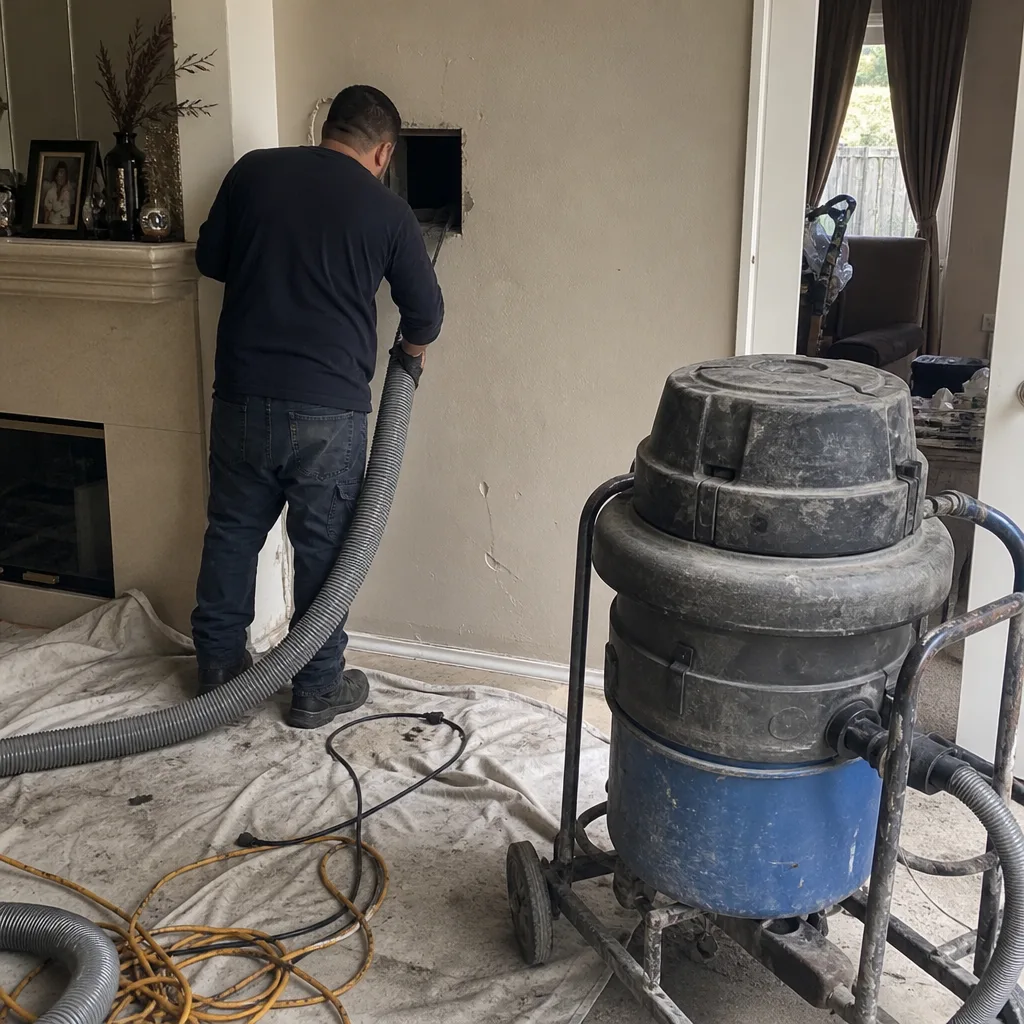 Before
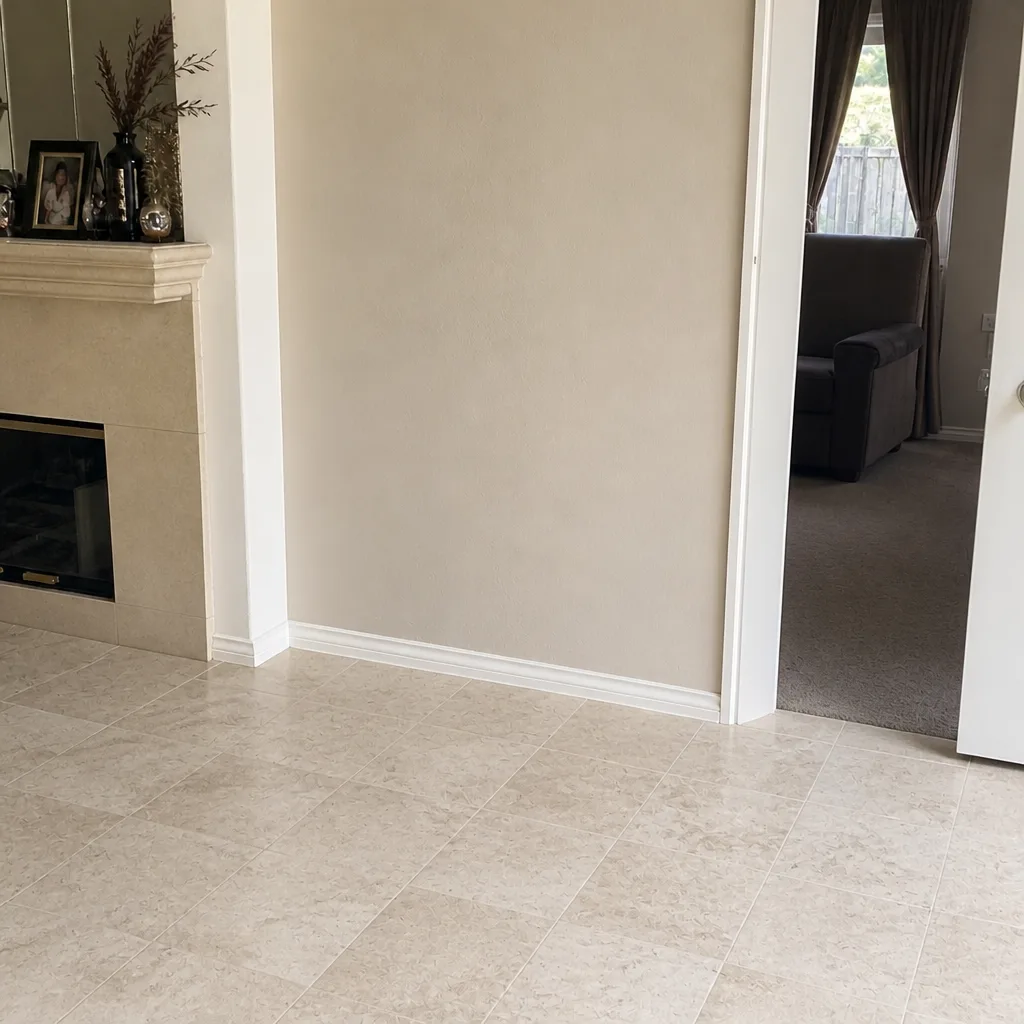 After
When to Call a Professional
Some situations call for a professional visit regardless of what your calendar says. If you’ve had a fire nearby, a major dust event from construction, or a visible smoke day that left residue on your car windows, book a cleaning. If anyone in the home has developed worsening allergy or asthma symptoms that seem tied to being indoors, get the ducts inspected. If you’re seeing dark staining around registers, musty odors when the HVAC kicks on, or a noticeable drop in airflow to certain rooms, those are signs of a moisture problem or a duct leak that warrants a professional evaluation. If your system hasn’t been cleaned in four or more years, the accumulated load in a Brea home is significant enough that a professional extraction is worth the call. Brea Air Duct Cleaning Pros offers free estimates in Brea – call (866) 947-9306.
Frequently Asked Questions
Most Brea homes benefit from professional cleaning every two to three years, but timing matters more than the interval. Cleaning in September or early October maximizes the air quality benefit by giving you the cleanest possible system going into Santa Ana season and the closed-window months. Homes with pets, allergy sufferers, or recent smoke events often need attention every 18 months.
Yes. The marine layer pushes inland through the canyons and settles over Brea on many summer mornings. The humidity is enough to affect flex duct liner, insulation, and any organic dust sitting in the duct. Homes near the Coyote Hills and Puente Hills see more of this than homes closer to the flat downtown area, though all Brea homes see some. A visual check of flex runs in early July catches the problem before it becomes a musty odor issue.
Before. A clean system going into smoke season has the maximum service window ahead of it, and the filter or air quality hardware you’re running works from a clean baseline. Cleaning after a smoke event is also worth considering if the event was severe enough to leave ash residue on outdoor surfaces, because that particulate settles inside the ducts and recirculates for months.
No. Filters catch what passes through them, but they can’t remove what’s already settled inside the duct runs, the plenum, or the supply registers. Filter changes slow the rate of loading between cleanings – they don’t replace the cleaning itself. A proper filter change along with an every-two-to-three-year professional cleaning is the combination that works.
Cleaning removes accumulated debris from inside the duct system. Repair and sealing fixes the leaks, disconnected joints, and humidity-damaged flex runs that let unfiltered air enter the system in the first place. Both matter for air quality – cleaning a leaky system without sealing it lets the same contamination back in. That’s why we run repair and sealing as its own service rather than a tacked-on extra.
Possibly. Leaky ducts pull hot attic air into the supply side, which forces the system to work harder to cool the same rooms. Damaged flex duct insulation loses R-value, which means cooled air warms up before it reaches the room. A duct inspection that includes a leak check and a visual of flex runs is the right first step before assuming the HVAC unit itself is the problem. Call (866) 947-9306 for a free estimate – we’ll tell you straight whether cleaning, sealing, or an HVAC service is the better next step.
The Bottom Line
Brea’s air quality runs on a different calendar than the rest of the country, and duct care that ignores it leaves homes underprepared at exactly the wrong times. The pattern is straightforward: marine layer humidity in late spring and early summer, Santa Ana particulate loading in October and November, wildfire smoke windows at any time of year, and dry-season dust throughout. Clean before the loading event, not after it. Inspect flex runs right after June gloom. Adjust filtration and runtime during smoke windows. And keep a simple log so your next cleaning decision is based on what your home has actually faced. Two to three years between cleanings works for a well-timed Brea home. For homes that see more wind, more smoke, or more pets – call it 18 months and adjust from there. If you’d like a straight answer on where your system stands, call (866) 947-9306 for a free estimate. We answer 24/7. Fast dispatch from 7am to 7pm, Sunday through Friday.
Written by the team at Brea Air Duct Cleaning Pros.