
Last updated November 23, 2026
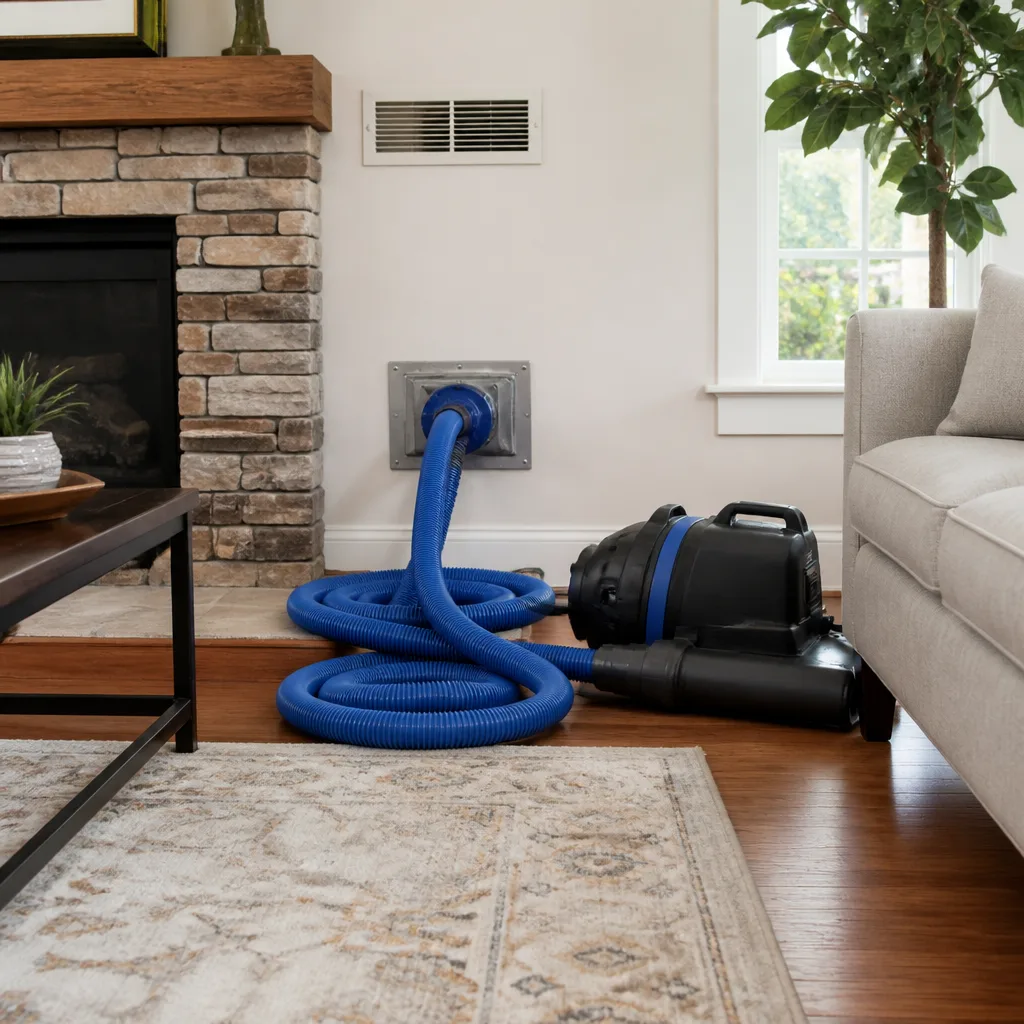 Whole-home duct cleaning
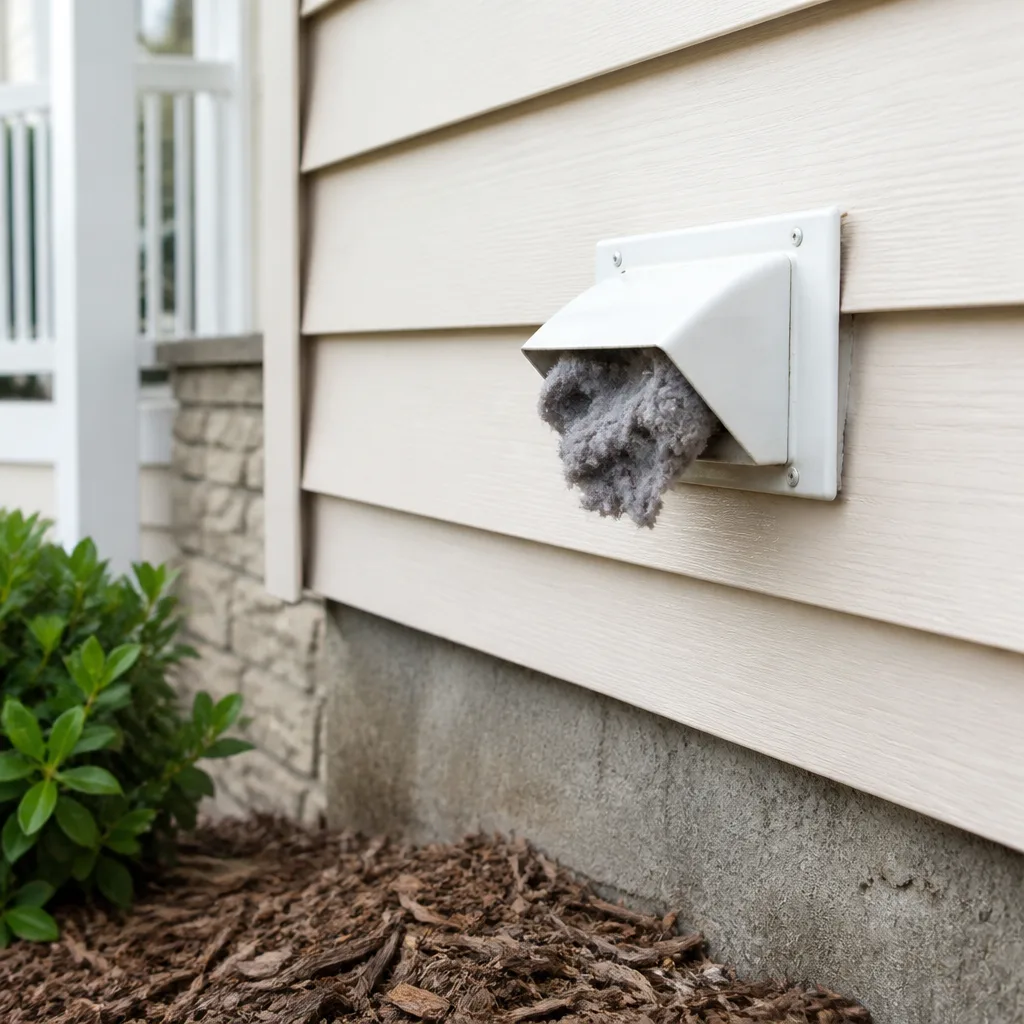 Dryer vent cleaning
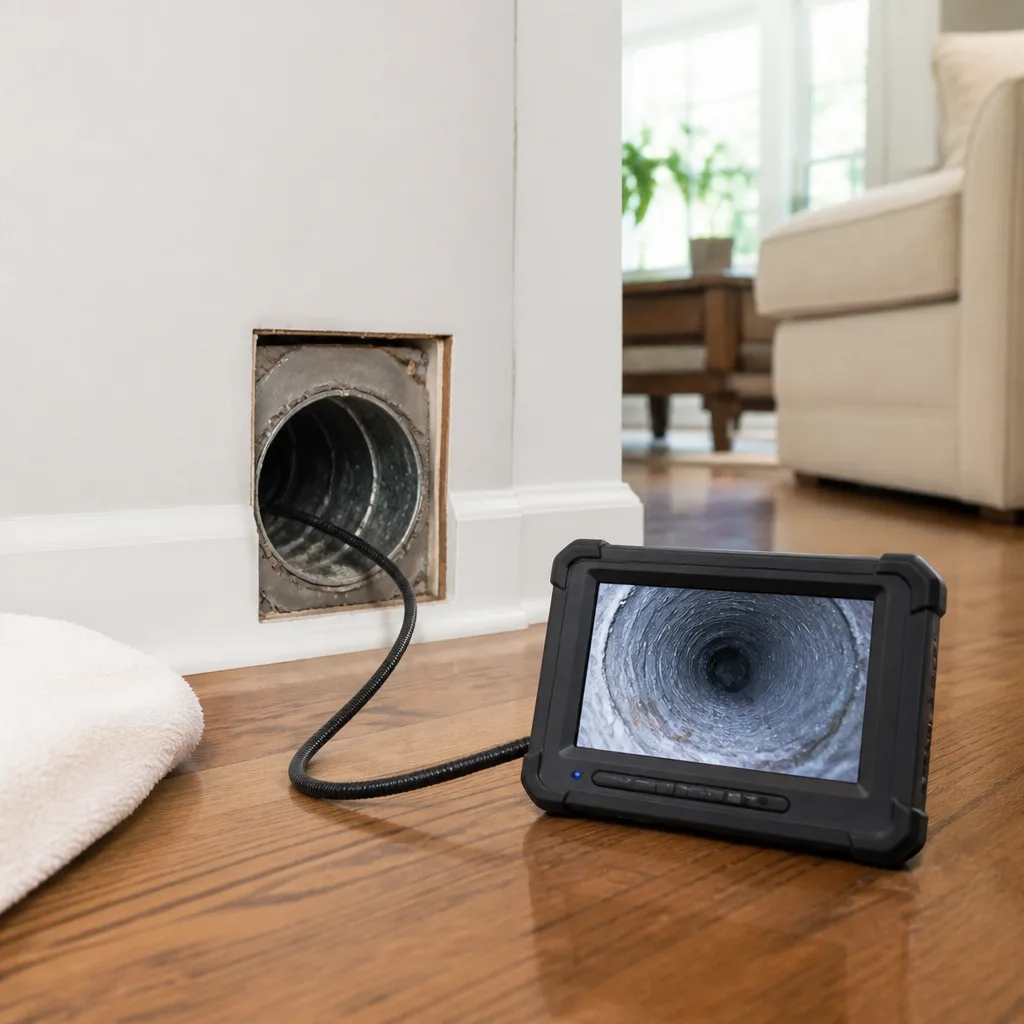 Camera inspection
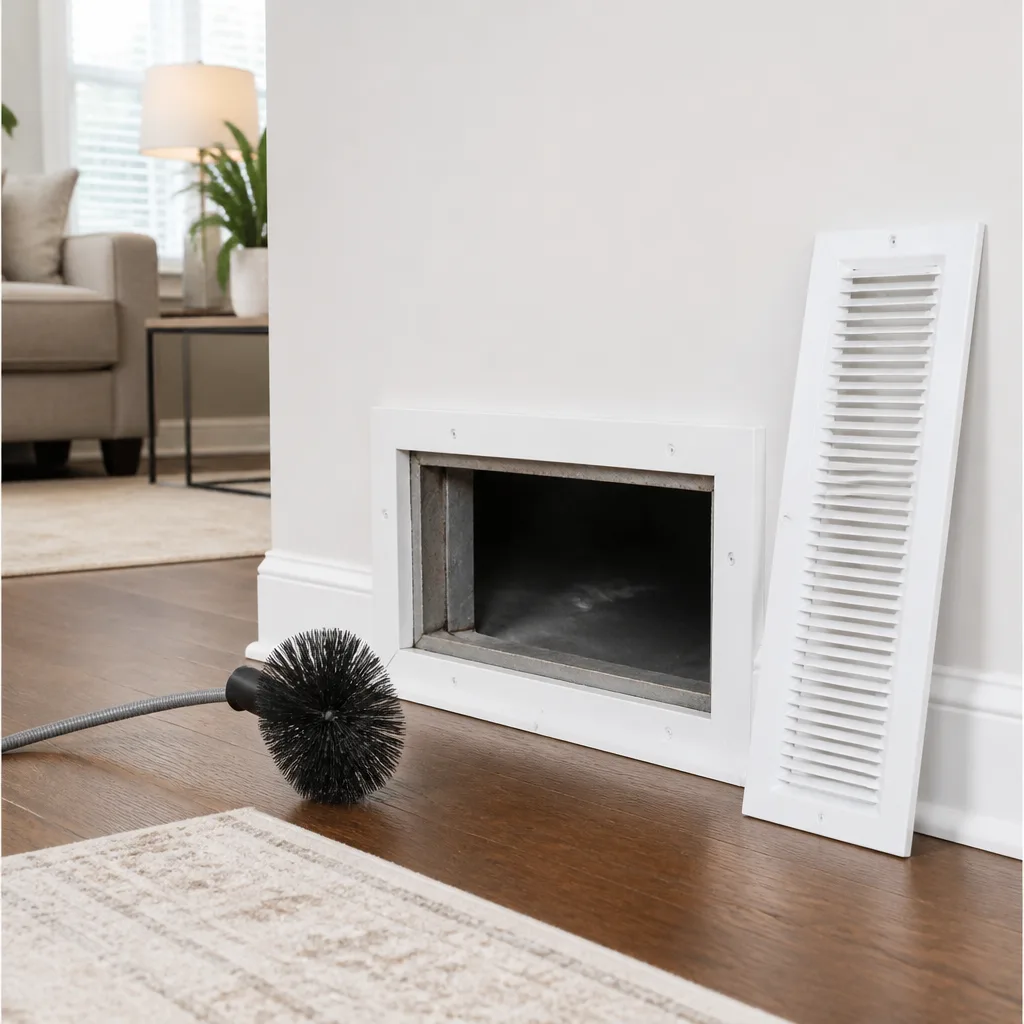 Sanitizing & deodorizing
Whole-system duct and dryer vent check with before-and-after photos - you see exactly what came out of your vents
That "$99 whole-house special" is a bait ad - the real number appears once they are in your hallway, or the "clean" is a shop-vac at the register. We photograph the inside of your ducts before and after instead.
Air Duct Cleaning Maintenance Checklist for Brea Homeowners
Most Brea homeowners treat duct maintenance as a calendar chore: change the filter every 90 days, forget the rest. But air in Brea doesn’t follow a 90-day clock. A single Santa Ana wind event can load a filter to capacity in 72 hours and push fine debris straight past it into the duct trunk, where it settles for good. Our technicians have up to 11 years of experience watching how Brea’s specific conditions – the marine layer, the dry wind events, the wildfire smoke that drifts in from the hills – shape what accumulates inside residential ductwork. This guide gives you a checklist built for those conditions, not a generic seasonal schedule. You’ll learn what to inspect yourself, what to leave to a pro, and how to time the work so your system stays efficient all year.
Quick Answer
Air duct maintenance in Brea works best on a four-season schedule matched to local air conditions rather than a simple spring-and-fall routine: check filters after every Santa Ana wind event and wildfire smoke episode, schedule professional cleaning when you see visible debris or notice reduced airflow, and inspect registers, coils, and the drain pan at least once a year. Most Brea homes need a full professional duct cleaning every three to five years, but filters, register checks, and post-event inspections should happen far more often. The checklist below breaks this down month by month and condition by condition.
Styles & brands we work with
- Whole-home duct cleaning
- Dryer vent cleaning
- Camera inspection
- Sanitizing & deodorizing
Table of Contents
- The Four Brea Air Seasons (and What Each Does to Your Ducts)
- DIY Register Inspection: What You Can Check Yourself
- Filter Selection and MERV Ratings for Brea Conditions
- Coil and Drain Pan Maintenance: The Duct Connection
- Post-Event Checklist: Wildfire, Renovation, or Water Intrusion
- When Professional Cleaning Becomes Necessary
- Repair and Sealing: Fixing What Cleaning Reveals
- Building Your Annual Brea Duct Maintenance Calendar
The Four Brea Air Seasons (and What Each Does to Your Ducts)
Brea doesn’t have a simple warm season and cool season. It has four distinct air quality periods, and each one leaves a different signature inside your ductwork. Understanding these periods is the foundation of any maintenance plan that actually fits this city.
1. Winter: Cool, Damp Marine Layer
Winters in Brea are mild, but the marine layer pushes cool, moist air inland on many mornings. That moisture matters for ducts because it encourages dust to clump and adhere to duct walls rather than stay airborne and get filtered out. Homes with flex duct runs in unconditioned spaces are especially prone to condensation during this period, which can create a damp environment where dust and organic particles cling to surfaces. Check for any visible moisture near duct runs during the cooler months.
2. Spring: Pollen and the First Warm-Up
As temperatures rise and the system switches from heating to cooling, pollen from the surrounding hills and valleys enters through return vents. Spring is when many Brea homeowners notice a musty or dusty smell on first AC startup. That smell usually means pollen, dust, and the moisture from winter have combined inside the duct system. A register-level inspection in early spring catches most of it before the cooling season begins.
3. Summer: Peak HVAC Load and Dust Circulation
Summer puts the most hours on your HVAC system, which means the most air moving through the ducts. Any debris that settled during winter and spring gets stirred up and distributed through the house. Coils work harder, drain pans collect more condensate, and filters load faster. This is the season when filter checks should be most frequent – every 30 to 45 days is not excessive in a Brea summer.
4. Fall: Santa Ana Winds and Wildfire Smoke
Fall is the most demanding period for Brea ducts. Santa Ana winds bring dry, fast-moving air from the interior, carrying fine dust and particulate matter. When wildfire smoke drifts into the region, those particles enter return vents and can load a filter to capacity within days. Debris that bypasses the filter settles in the duct trunk. Fall is when the gap between a homeowner who checks filters weekly and one who checks quarterly becomes visible in the ductwork itself.
DIY Register Inspection: What You Can Check Yourself
You don’t need special equipment to get a useful read on your duct system. A flashlight and a piece of tissue will tell you more than you’d expect. These checks take about 15 minutes and are the most valuable habit a Brea homeowner can build.
The Flashlight Check
- Remove a supply register cover (they usually lift off or have two screws).
- Shine a flashlight into the duct opening at an angle, not straight down.
- Look for visible dust buildup on duct walls, dark streaks, or debris resting on the bottom of the run.
- Check two or three registers in different rooms. A single dusty register can be a local issue; multiple dusty registers point to a system-wide problem.
- Note any musty odor when you remove the cover. Odor that intensifies when the system runs is a sign of organic growth or trapped moisture.
The Tissue Test for Return Suction
Return vents pull air back into the system. If return suction is weak, the whole system is working harder than it should. Hold a thin piece of tissue near a return grille while the system is running. The tissue should pull firmly toward the grille. If it barely moves or falls away, the return path may be blocked by debris, a collapsed flex duct, or a closed damper. A weak return also means dust is settling in the ducts instead of being captured by the filter.
What to Note and Photograph
Take photos of anything you find: visible debris, dark staining, moisture, or disconnected joints. Photos give a professional a clear starting point and help you track whether conditions are getting worse from season to season. At Brea Air Duct Cleaning Pros, we use before-and-after photos of your own ducts so you can see exactly what was removed – and so you have a record for the next inspection.
Filter Selection and MERV Ratings for Brea Conditions
The filter is the frontline defense for your entire duct system, and choosing the wrong one can do more harm than good. MERV ratings measure how effectively a filter captures particles, but higher isn’t always better, especially in older Brea homes with duct systems designed for lower resistance.
MERV Ratings Explained for Brea Homes
- MERV 8: Captures pollen, dust mites, and mold spores. A solid baseline for most Brea homes and easy on airflow. Good for systems with older or undersized ductwork.
- MERV 11: Adds finer particle capture, including some smoke and bacteria. A reasonable step up for homes near busy roads or in areas that see wildfire smoke drift.
- MERV 13: Captures most fine smoke particles and viruses, but the higher density restricts airflow significantly. On an older system with marginal duct design, a MERV 13 filter can stress the blower and create negative pressure that pulls debris into duct joints.
Why Higher Isn’t Always Better
Many Brea homeowners upgrade to MERV 13 after a smoke event, assuming maximum filtration is the right call. The problem is that older duct systems and blowers were designed for a certain resistance. Push past it, and the system compensates by pulling harder, which can draw unfiltered air through gaps and seams. Our experience is that a MERV 11 filter changed frequently outperforms a MERV 13 filter that’s loaded and choking the system. Match the filter to your system’s capacity, and change it more often during Brea’s windy seasons.
When to Change the Filter in Brea
- Baseline: every 60 to 90 days for a MERV 8 or 11 filter in normal conditions.
- After any Santa Ana wind event: inspect within 72 hours and replace if visibly loaded.
- During wildfire smoke episodes: check weekly, replace when the filter surface darkens or airflow drops.
- During renovation work in the home: check every few days and seal off returns near the work area.
- Any time you notice reduced airflow or a dusty smell on startup: check immediately regardless of schedule.
Coil and Drain Pan Maintenance: The Duct Connection
Most homeowners think of the evaporator coil and drain pan as HVAC parts. They are, but they sit directly in the duct air path, and their condition determines what kind of air moves through your ducts. A dirty coil coats the air with biological particles. A standing drain pan grows them. Both feed the duct system with contaminants that no filter can fully catch.
Evaporator Coil
The evaporator coil is the finned component that cools incoming air. Over time, dust that slips past the filter coats the fins, insulating them and reducing cooling efficiency. In Brea’s summer, a coil that runs day after day pulls a constant stream of dust-laden air. When the coil gets dirty, it also becomes a collection surface for moisture and biological growth, which then gets distributed into the ducts on every cooling cycle. Coil cleaning is not optional maintenance – it’s part of keeping the entire air path clean.
Drain Pan and Condensate Line
Brea’s mild, sometimes humid mornings mean the AC condenser produces steady condensate. The drain pan catches it, and the line carries it away. When the pan holds standing water, bacteria and mold thrive. When the line clogs, water can back up into the duct plenum or overflow near duct runs. Check the pan during summer for standing water, algae, or a musty smell. The condensate line can be tested by pouring a small amount of water into the pan and confirming it drains freely. If it doesn’t, that’s a call to a professional before water damage reaches the ducts.
Blower and Cabinet
The blower wheel pulls air through the return and pushes it through the supply side. Dust builds up on the blower blades over time, reducing airflow and throwing the system out of balance. The air handler cabinet, if not properly sealed, becomes a leak point that pulls unfiltered attic or crawlspace air straight into the supply stream. This is one of the most common findings during an HVAC cleaning visit: the ducts are reasonably clean, but the cabinet gaskets have failed. Fixing them is part of the system-wide job.
Post-Event Checklist: Wildfire, Renovation, or Water Intrusion
Calendar maintenance isn’t enough in Brea. Three specific triggers call for a dedicated inspection regardless of when you last cleaned. Each has a distinct pattern of contamination, and each responds to a different response.
Trigger 1: Nearby Wildfire or Regional Smoke Event
When wildfire smoke drifts into the Brea area, the sequence is predictable. Fine ash and smoke particles enter the return vents. The filter catches some, but the smallest particles bypass it and coat the duct walls and the evaporator coil. Ash is mildly abrasive and alkaline, which can slowly degrade surfaces it settles on. After a smoke event:
- Inspect the filter within 72 hours and replace if visibly darkened or loaded.
- Check return registers for visible ash residue.
- Run the system on low fan speed with windows closed to circulate through the filter, not the open house.
- Schedule a professional inspection if the smoke was heavy or the system ran during the worst of it.
- Consider a system-wide cleaning and coil cleaning if ash is visible at the registers.
Trigger 2: Renovation or Remodel Work
Drywall dust is among the worst contaminants for a duct system. It’s fine, it travels easily past filters, and it is mildly alkaline. If you’re remodeling in Brea, seal return vents in the work area before demolition begins, and cover supply registers. After the work ends, run the fan to pull remaining dust toward the filter, then replace the filter and inspect registers. If drywall dust was heavy or the work went on for weeks, a professional cleaning is worth it before the dust hardens onto surfaces.
Trigger 3: Water Intrusion Near Duct Runs
Water intrusion can happen after heavy rain, a plumbing leak, or a roof issue. When water reaches an insulated duct run or an air handler in an attic or crawlspace, the result is a damp environment where biological growth can take hold. Check for any visible staining, sagging duct insulation, or musty odor after any water event. If moisture reached ductwork, don’t just dry the floor – schedule an inspection and cleaning. Sanitizing with Guardsman-grade products is part of resolving it correctly.
When Professional Cleaning Becomes Necessary
DIY checks catch a lot, but some conditions call for professional-grade equipment. Here’s the short list of signals that mean it’s time for a full-service visit.
- Visible dust buildup on duct walls when you shine a flashlight down a supply or return run.
- Musty or dusty odor from registers that returns every time the system runs.
- A noticeable drop in airflow from multiple registers at once.
- You’ve had the same home’s ducts serviced more than five years ago – or don’t know when they were last cleaned.
- After a significant renovation, wildfire smoke event, or water intrusion near duct runs.
- A recent pest issue in the attic or crawlspace near ductwork.
- Medical advice from a family member’s doctor that pets, dander, and dust should be managed more aggressively.
Professional cleaning in Brea uses equipment that homeowners don’t have: air duct cleaning done right requires a negative-pressure setup that pulls debris out of the system instead of loosening it into the house, plus agitation tools that reach the full length of every run. Our technicians use Rotobrush and Nikro systems – the same professional-grade platforms used by commercial HVAC contractors, not repurposed shop vacuums. We’re careful to differentiate cleaning from repair: if the inspection finds a separated duct joint or a collapsed flex run, cleaning alone won’t solve it. That’s why Duct Repair & Sealing is a standalone service.
Air quality treatment goes beyond cleaning too. We stock and install recognized air quality hardware from Honeywell, Aprilaire, and Abatement Technologies – filtration and purification products that keep treated air cleaner after the cleaning visit ends. The goal is a clean system that stays cleaner longer.
Repair and Sealing: Fixing What Cleaning Reveals
Cleaning without repair leaves the system vulnerable to the same problem again. During a full-system inspection, technicians commonly find leaks at duct joints, separated connections in attics, and torn flex duct sections that pull unfiltered attic air into the supply stream. These aren’t cosmetic issues. A leak in a supply duct dumps conditioned air into the attic or crawlspace, which means your HVAC has to run longer to reach the same temperature. And a leak on the return side pulls whatever is in the attic or crawlspace directly into the air your family breathes.
Duct Repair & Sealing closes the envelope. It also reduces the load on the filter, because less unfiltered air has a path in. If your system has never been inspected for leaks, that’s the next check worth requesting – even before a cleaning visit if airflow issues are chronic.
At Brea Air Duct Cleaning Pros, we diagnose, clean, repair, seal, and treat as one connected system. That means no second contractor to handle a duct repair discovered mid-cleaning, and no vendor handoff between the cleaning and the air quality treatment. If you’re a homeowner in Brea who wants the whole job done under one scope, we work from a written, per-job fee agreed before work starts.
Building Your Annual Brea Duct Maintenance Calendar
Here’s a practical way to structure a full year of duct maintenance around Brea’s conditions. Adjust based on how close your home is to hills, how many pets you have, and how recently the duct system was professionally cleaned.
Winter (Cooler, Marine Layer Moisture)
- Inspect return registers for any visible dust accumulation and wipe grilles.
- Check for moisture or condensation near duct runs in attics or crawlspaces.
- Change filter based on the last check – not necessarily 90 days if the fall was windy.
Spring (Pollen and First Cooling Season)
- Do a full DIY register inspection in at least three rooms.
- Change the filter before the first AC run of the season.
- Check the drain pan and condensate line before summer demand.
Summer (Peak Load)
- Inspect the filter every 30-45 days.
- Check the drain pan for standing water and the coil area for visible dust.
- Note any airflow drop across registers and address it before fall.
Fall (Santa Ana Winds and Smoke)
- Check the filter weekly during any wind or smoke event.
- Inspect return registers for ash residue after smoke events.
- Schedule a professional cleaning if conditions warrant.
A well-kept system in Brea typically needs professional cleaning every three to five years, with dryer vent cleaning on its own shorter cycle – the dryer vent cleaning interval is its own conversation because lint accumulation is a fire-safety concern, not a comfort one. If you’re unsure where your system stands, a free estimate is a good starting point.
Common Mistakes to Avoid
- Changing filters on a strict 90-day clock regardless of conditions. A Santa Ana wind event can load a filter to capacity in 72 hours; waiting another six weeks pushes debris past it into the duct trunk. Check after events, not just on the calendar.
- Upgrading straight to MERV 13 in an older Brea home. A higher MERV rating is not automatically better. On marginal duct systems, MERV 13 can restrict airflow so much that the system pulls dirt in through joints. Match the filter to the system.
- Ignoring the coil and drain pan during “duct maintenance.” Many problems originate at the coil and drain pan, not in the ducts themselves. Cleaning the ducts without cleaning the coil leaves the source of the contaminant in place.
- Assuming professional cleaning fixes leaks. A leaky duct that’s cleaned will get dirty again quickly. If the system has never been inspected for leakage, request a Duct Repair & Sealing evaluation alongside the cleaning.
- Skipping post-event inspections. A fire in the hills, a bathroom remodel, or a plumbing drip near the air handler all warrant a dedicated look – not a wait-until-next-year approach.
- Using a shop vacuum or consumer tool to “clean” a register. Consumer vacuums don’t create negative pressure and can actually blow debris deeper into the system. Professional-grade Rotobrush and Nikro tools are designed for the job.
- Forgetting the dryer vent. Dryer lint is a fire risk separate from duct cleanliness. The dryer vent should be on its own maintenance schedule, not treated as an add-on.
See the difference
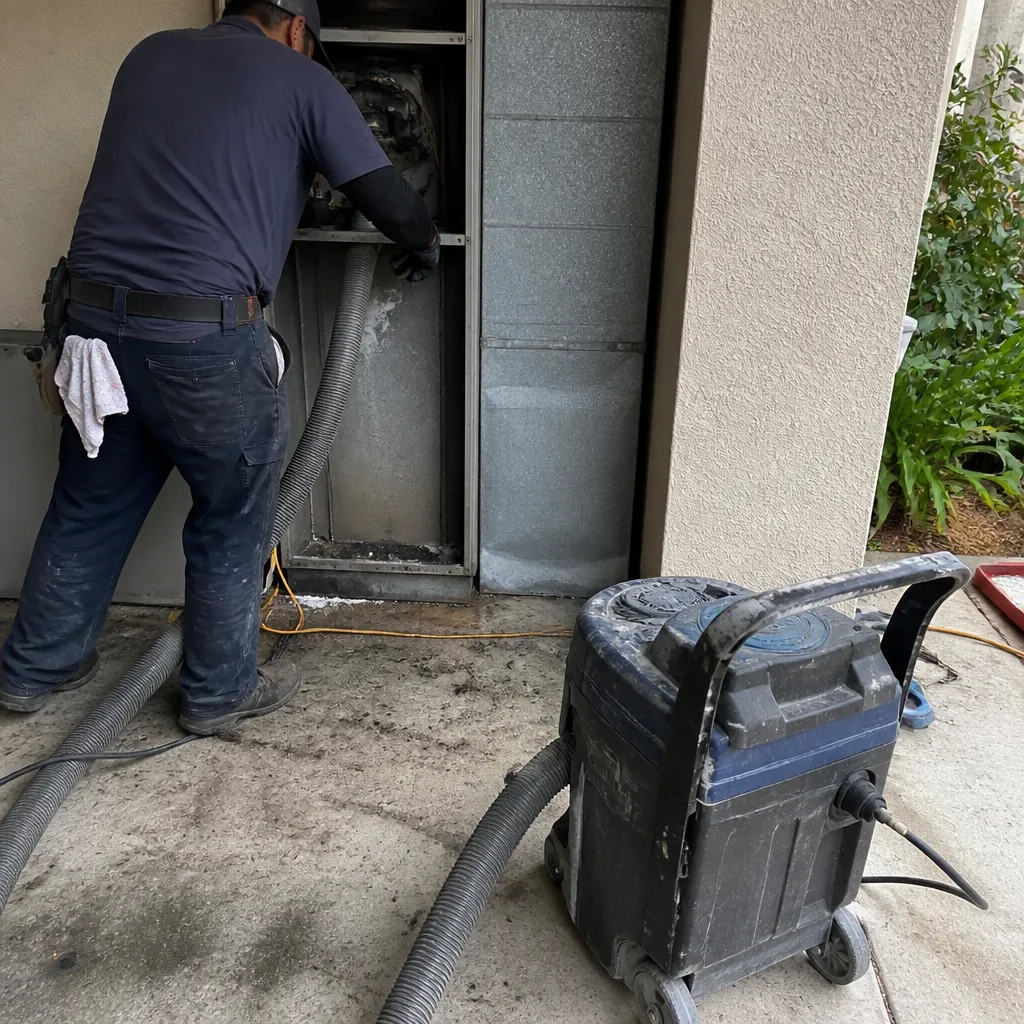 Before
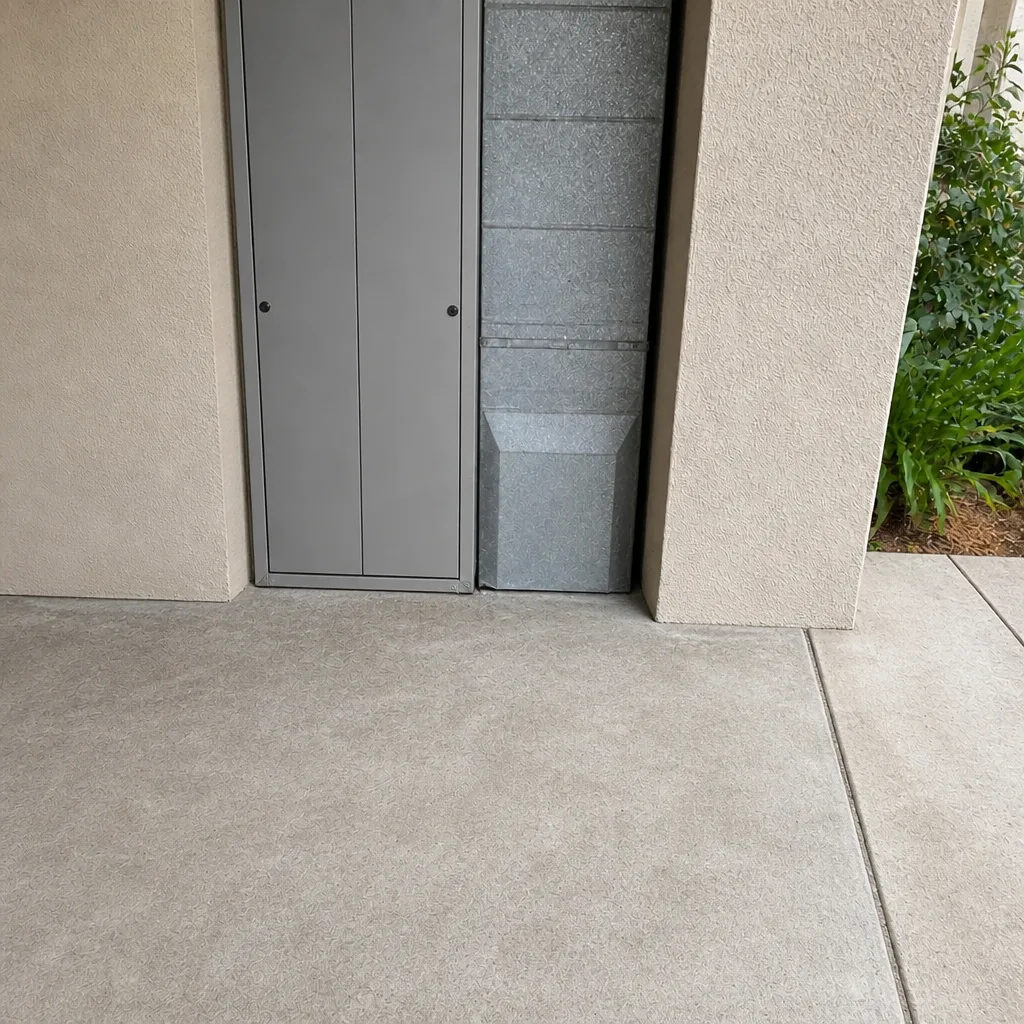 After
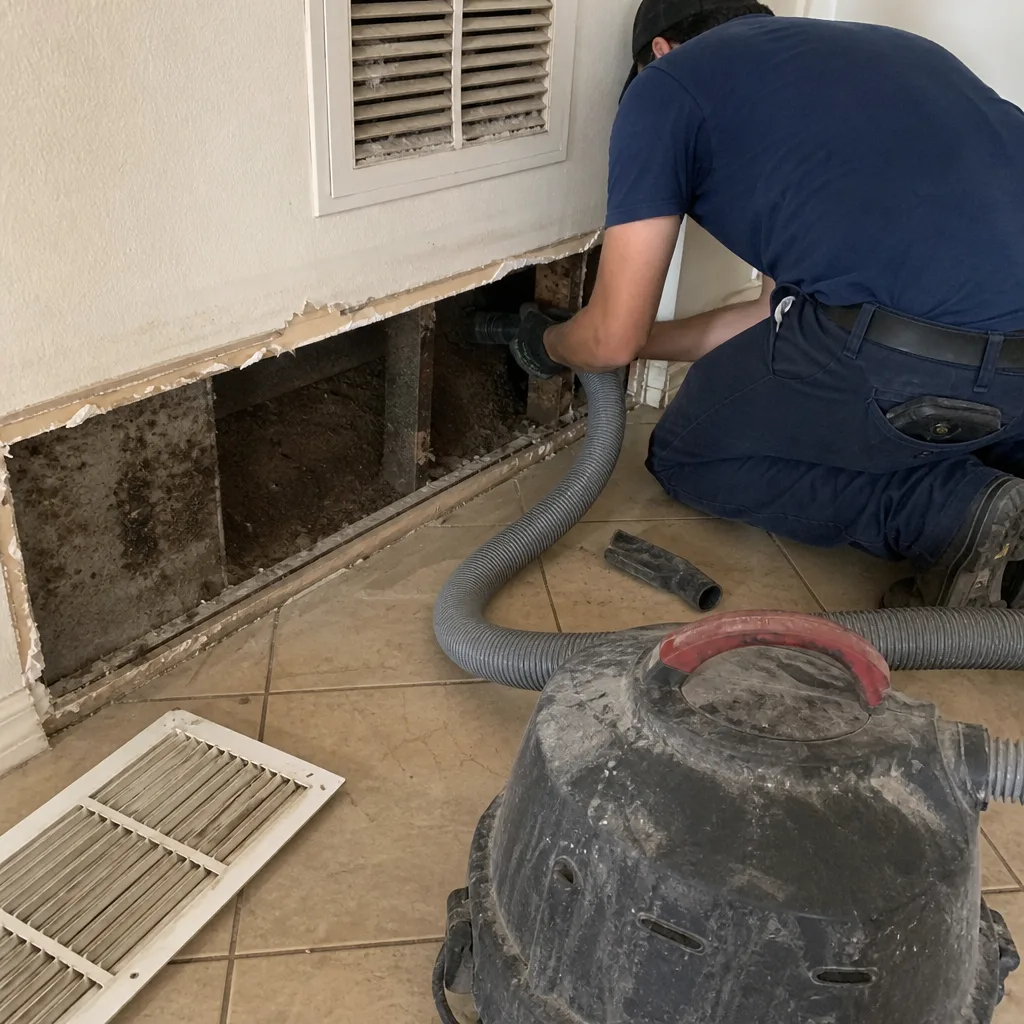 Before
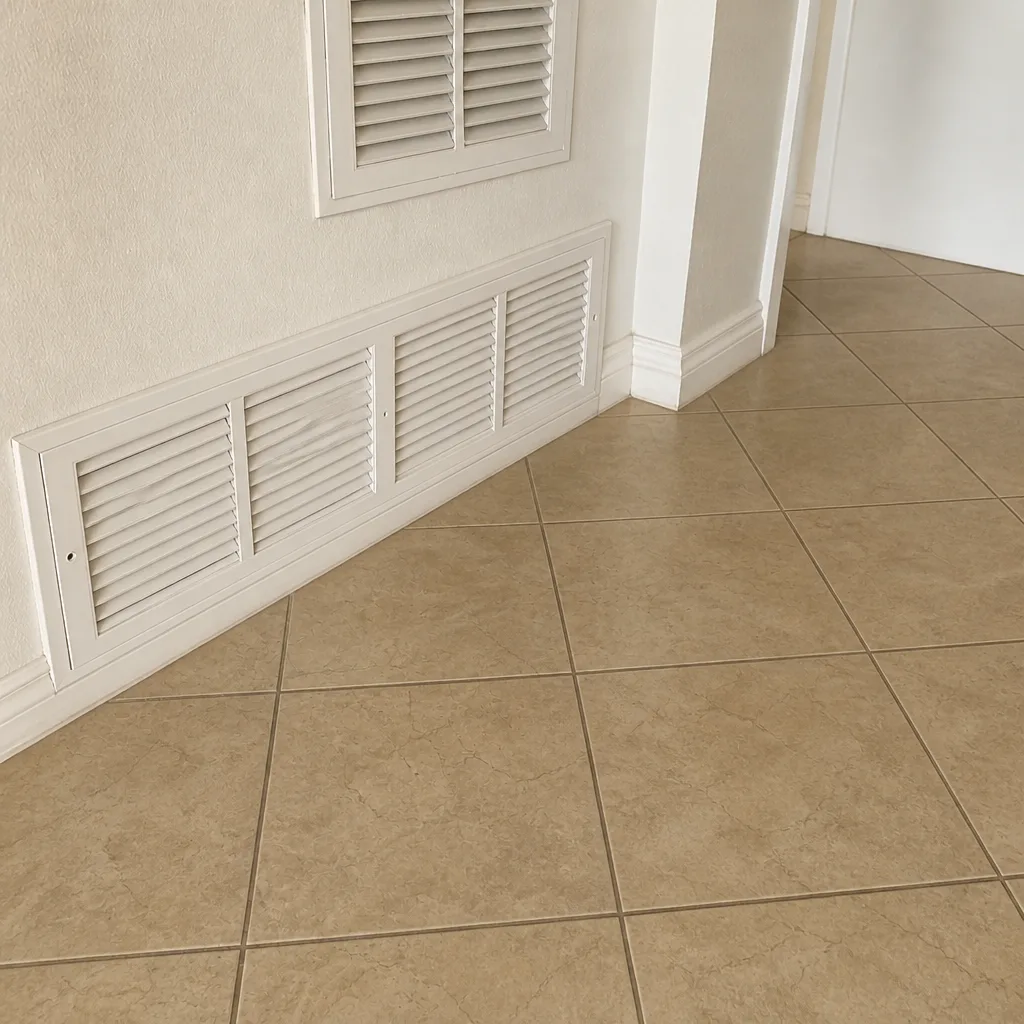 After
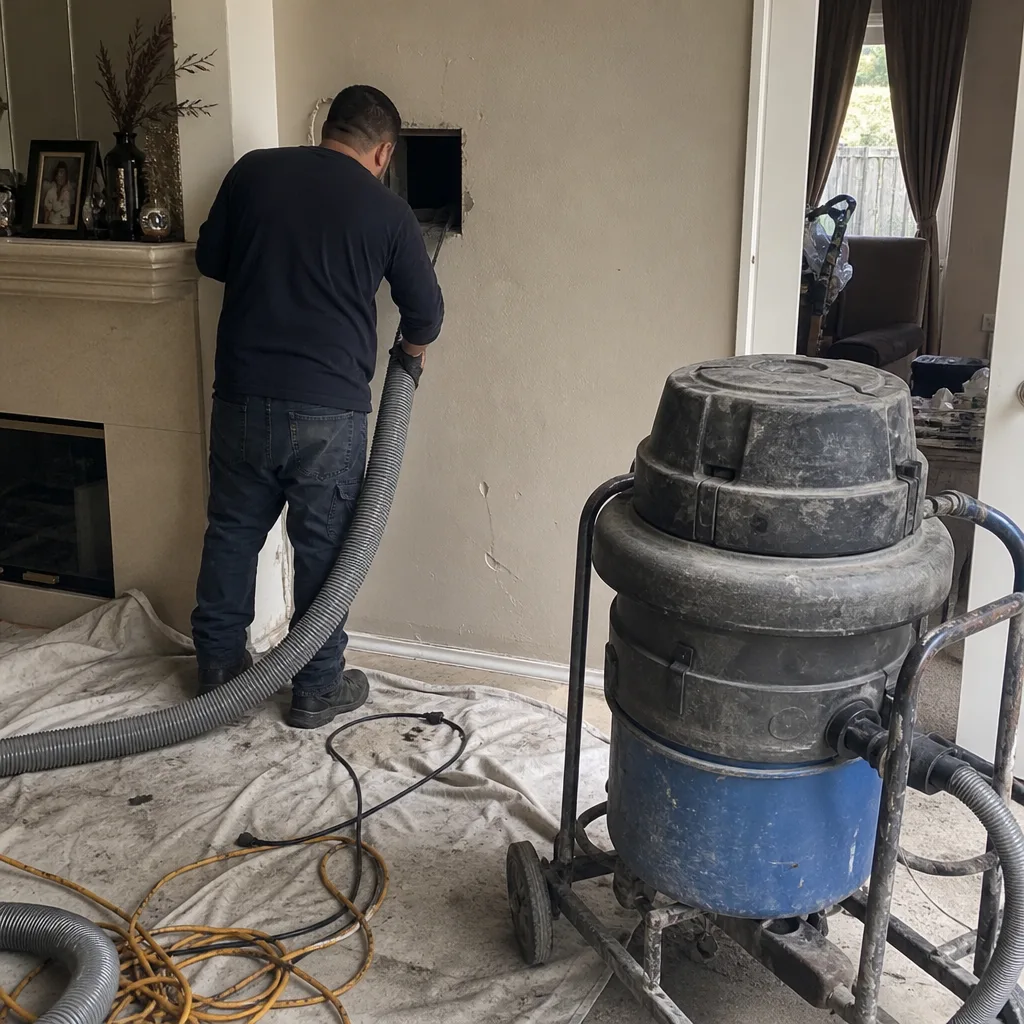 Before
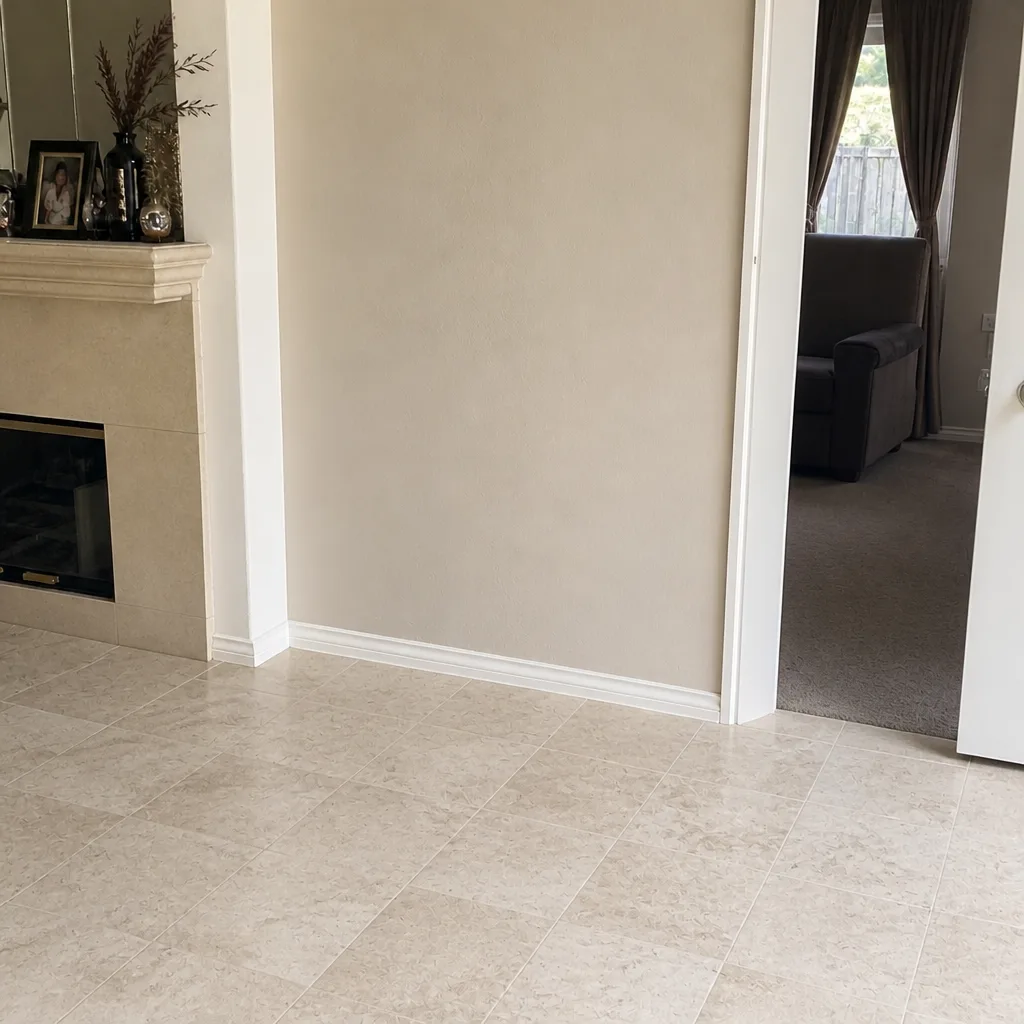 After
When to Call a Professional
Call a professional when a DIY inspection turns up visible dust buildup on duct walls, a musty odor that returns on every cycle, or multiple registers with reduced airflow at once. Call after any significant smoke event, renovation, or water intrusion near the air handler. Call when you don’t know when the ducts were last cleaned, or when it’s been more than five years. Call when the drain pan holds standing water or the condensate line doesn’t drain. Call when a family member’s doctor has recommended managing indoor air quality more aggressively. Also call when you hear rattling or popping from ductwork – that can signal a loose joint that cleaning will make worse, not better.
Brea Air Duct Cleaning Pros offers free estimates in Brea – call (866) 947-9306. We answer 24/7. Fast dispatch from 7am to 7pm, Sunday through Friday. The local pros we connect you with are licensed and insured as their state requires, and every job is priced per system from a written estimate agreed before work begins – no per-vent pricing, no bait-and-switch. You’ll see before-and-after photos of your own ducts, so you know exactly what was removed.
Frequently Asked Questions
Most Brea homes need professional duct cleaning every three to five years under normal conditions, with more frequent cleaning after significant wildfire smoke events, major renovations, or water intrusion. Homes with pets, allergy sufferers, or a recent move into a house with unknown duct history often benefit from cleaning sooner. If you don’t know when your ducts were last cleaned, that alone is a good reason to schedule an inspection. Call (866) 947-9306 for a free estimate in Brea.
MERV 13 is safe only if your system was designed for it. On older duct systems with marginal blower capacity, a MERV 13 filter restricts airflow enough to stress the motor and increase duct leakage. A MERV 11 filter changed more frequently usually serves Brea homes better, especially during windy seasons. Check your system’s rated filter capacity or ask a technician before upgrading. Call (866) 947-9306 if you’re unsure which filter to use.
Cheap quotes usually cover a different scope: quick vacuuming of the visible register areas without agitating and extracting debris from the full duct trunk, and often without negative-pressure equipment. That leaves much of the contamination in place. At Brea Air Duct Cleaning Pros, our quotes are per system, based on a written estimate agreed before work begins, and include before-and-after photos of your own ducts. If a bid seems too low, ask what equipment is used and whether the full run is being cleaned. Call (866) 947-9306 for an honest estimate.
Check your filter within 72 hours and replace it if it’s visibly darkened or loaded. Run the system with windows closed so particles are pulled through the filter, not left to settle. Inspect return registers for ash residue. If the smoke was heavy or your system was running during the worst of it, schedule a professional inspection and possible coil cleaning. Call (866) 947-9306 to arrange an assessment.
No. Consumer vacuums and rental equipment don’t create enough negative pressure to pull debris out without loosening it into the house, and they can’t agitate the full run of a duct. Professional cleaning uses Rotobrush and Nikro systems – the same platforms commercial HVAC contractors use – plus containment and negative-pressure setups. A DIY attempt can actually make the air quality worse by liberating settled debris. Call (866) 947-9306 if you want a proper job done.
Duct cleaning removes accumulated dust, debris, and biological growth from the ducts, coil, and air handler. Air quality treatment installs ongoing filtration or purification equipment – we install products from Honeywell, Aprilaire, and Abatement Technologies – so treated air stays cleaner between cleanings. Cleaning solves the current state; treatment helps maintain it. Together they handle both the backlog and the ongoing load. Call (866) 947-9306 to talk through which combination fits your Brea home.
The Bottom Line
A maintenance checklist worth following in Brea has to match Brea’s actual air seasons – marine layer moisture in winter, pollen in spring, peak system load in summer, and Santa Ana winds plus wildfire smoke in fall. Filters need checking on events, not just the calendar. Registers, coils, and drain pans need periodic inspection by the homeowner. Professional cleaning every three to five years handles the deep work, and Duct Repair & Sealing corrects what cleaning reveals. Dryer vent fire safety runs on its own schedule. At Brea Air Duct Cleaning Pros, we cover the full duct lifecycle – cleaning, dryer vent safety, HVAC cleaning, repair and sealing, and air quality treatment – under one accountable scope. Our technicians have up to 11 years of experience with Rotobrush and Nikro equipment. If you’d like a fresh set of eyes on your system, call (866) 947-9306 for a free estimate. We answer 24/7. Fast dispatch from 7am to 7pm, Sunday through Friday.
Written by the team at Brea Air Duct Cleaning Pros.