
Last updated November 23, 2026
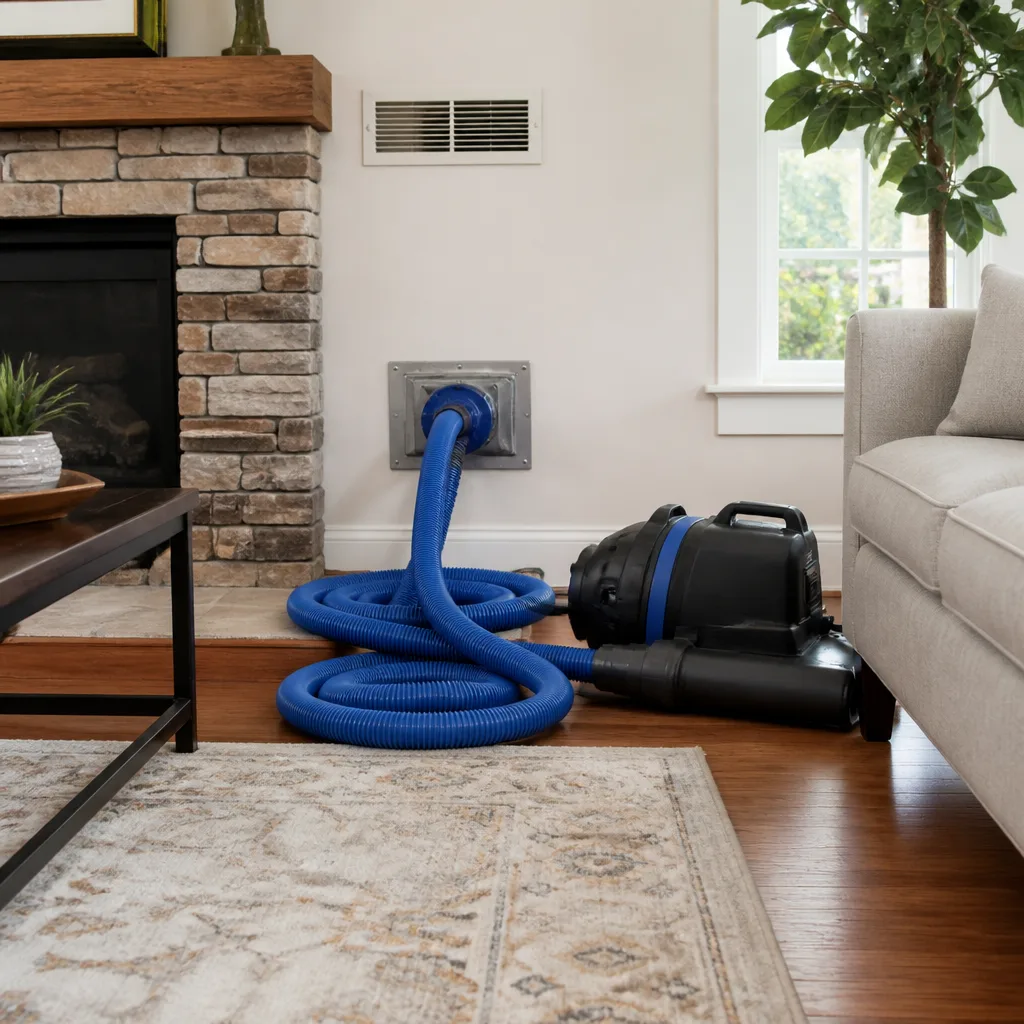 Whole-home duct cleaning
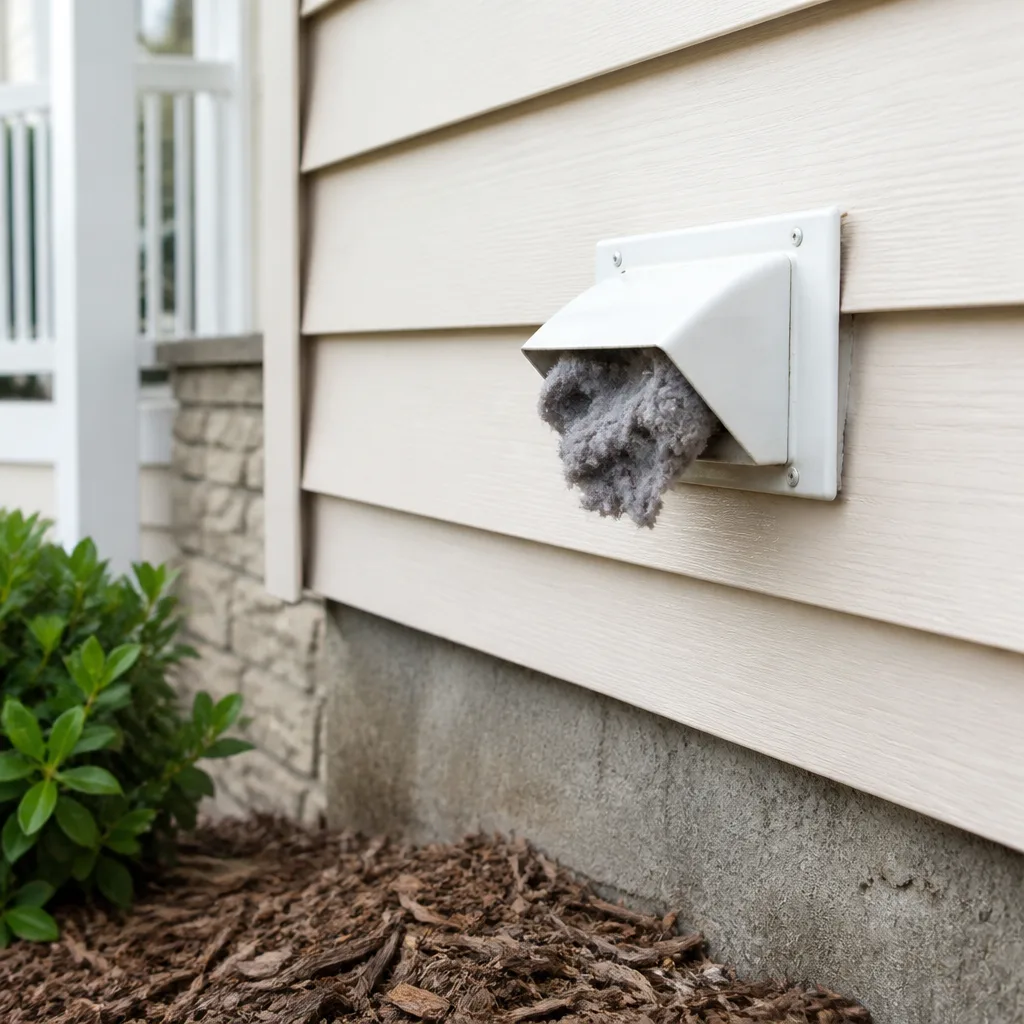 Dryer vent cleaning
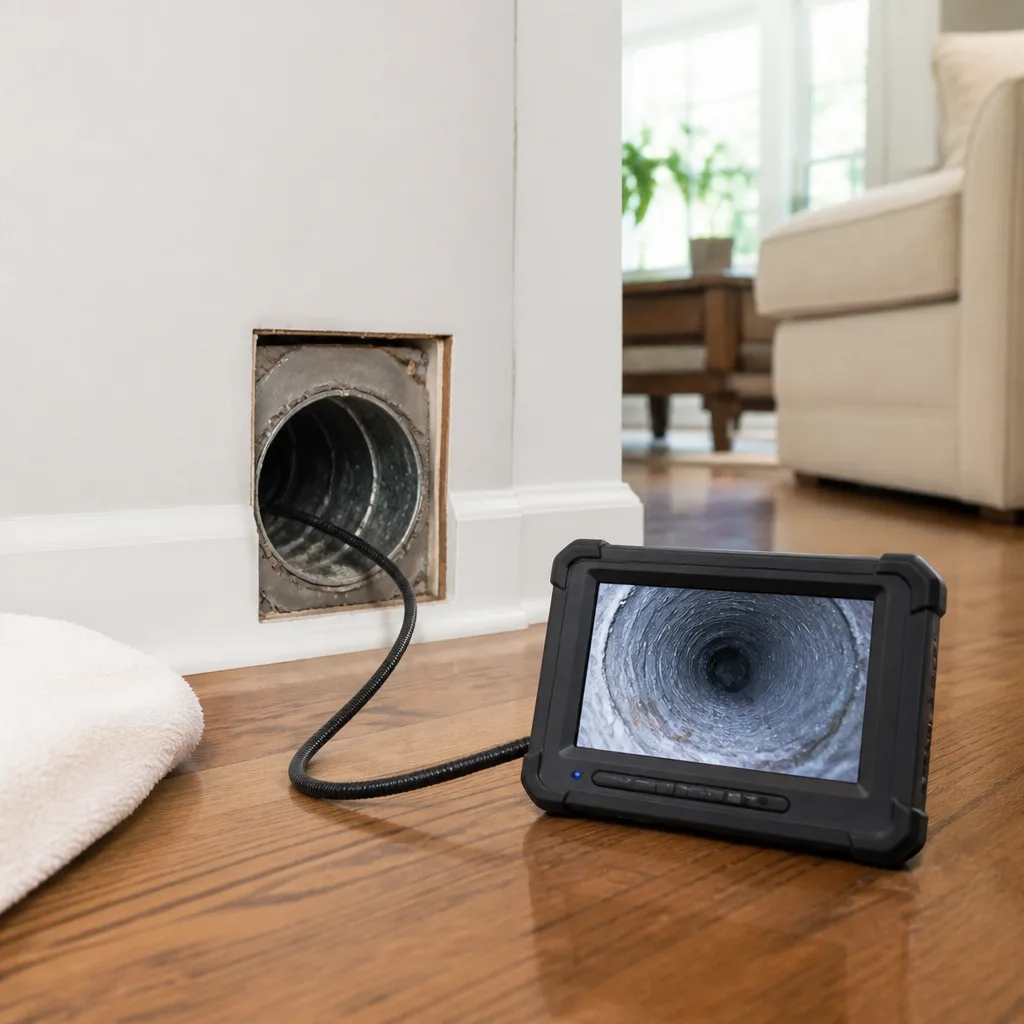 Camera inspection
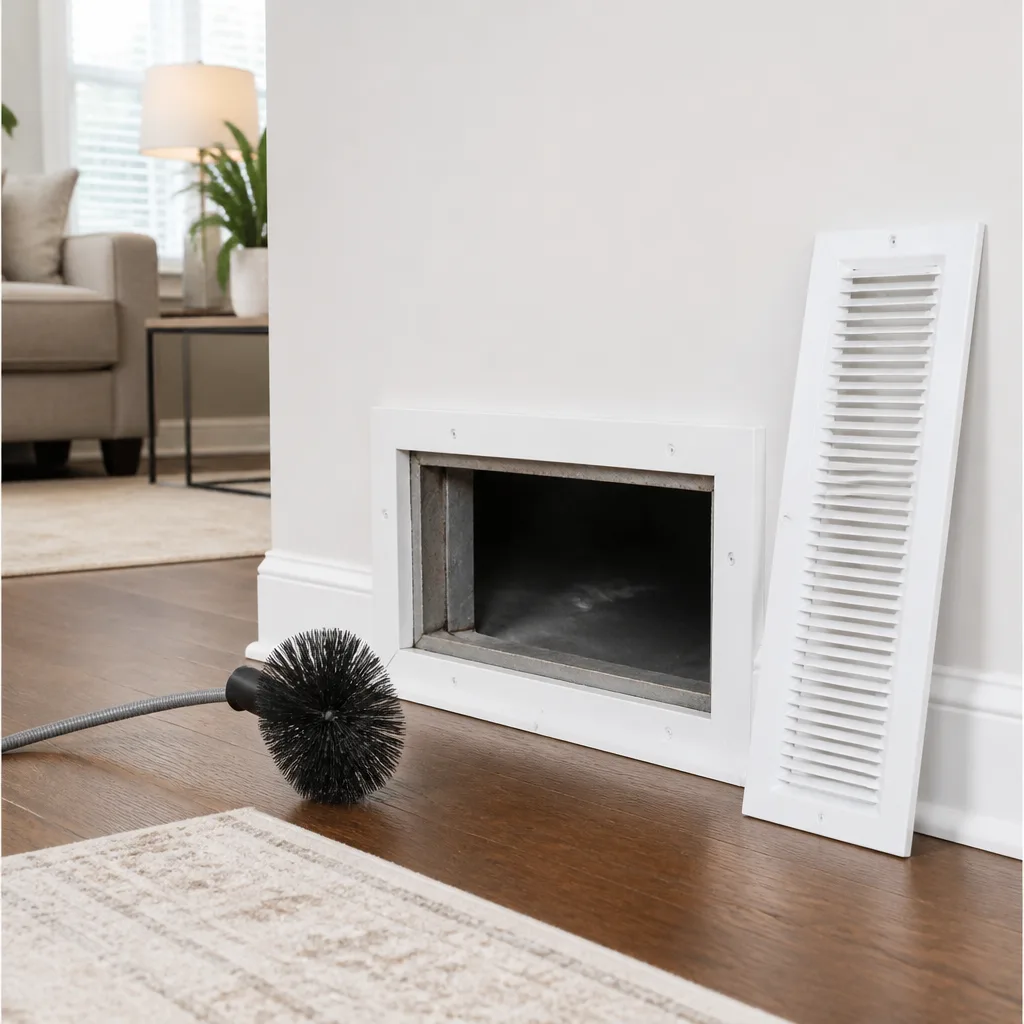 Sanitizing & deodorizing
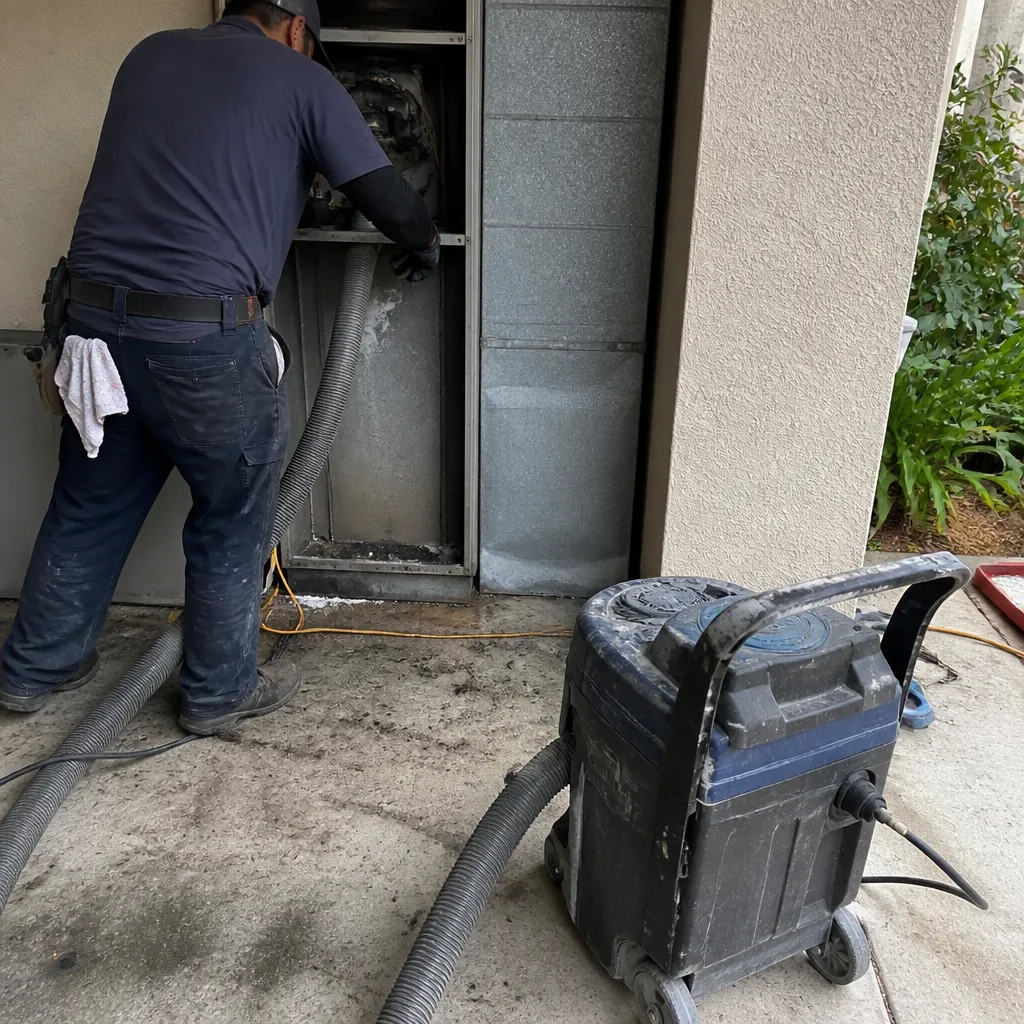
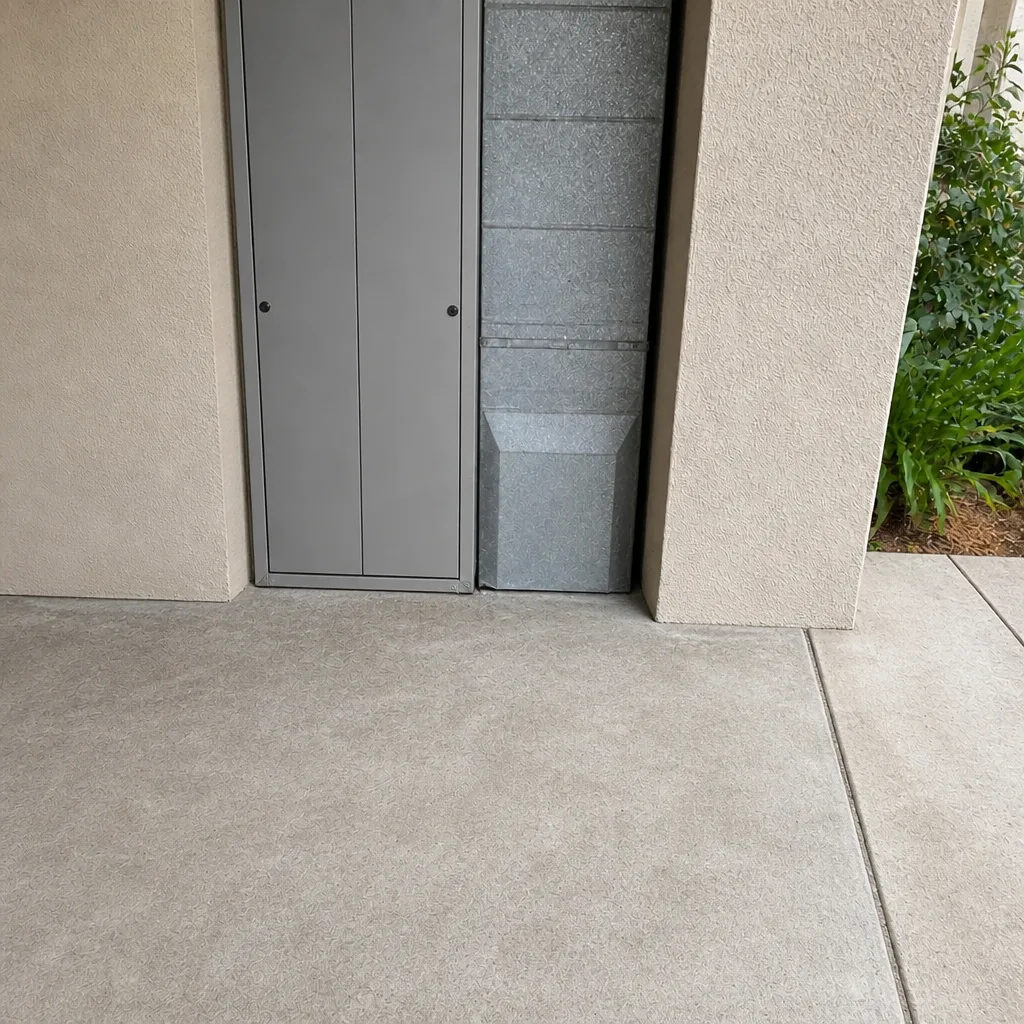
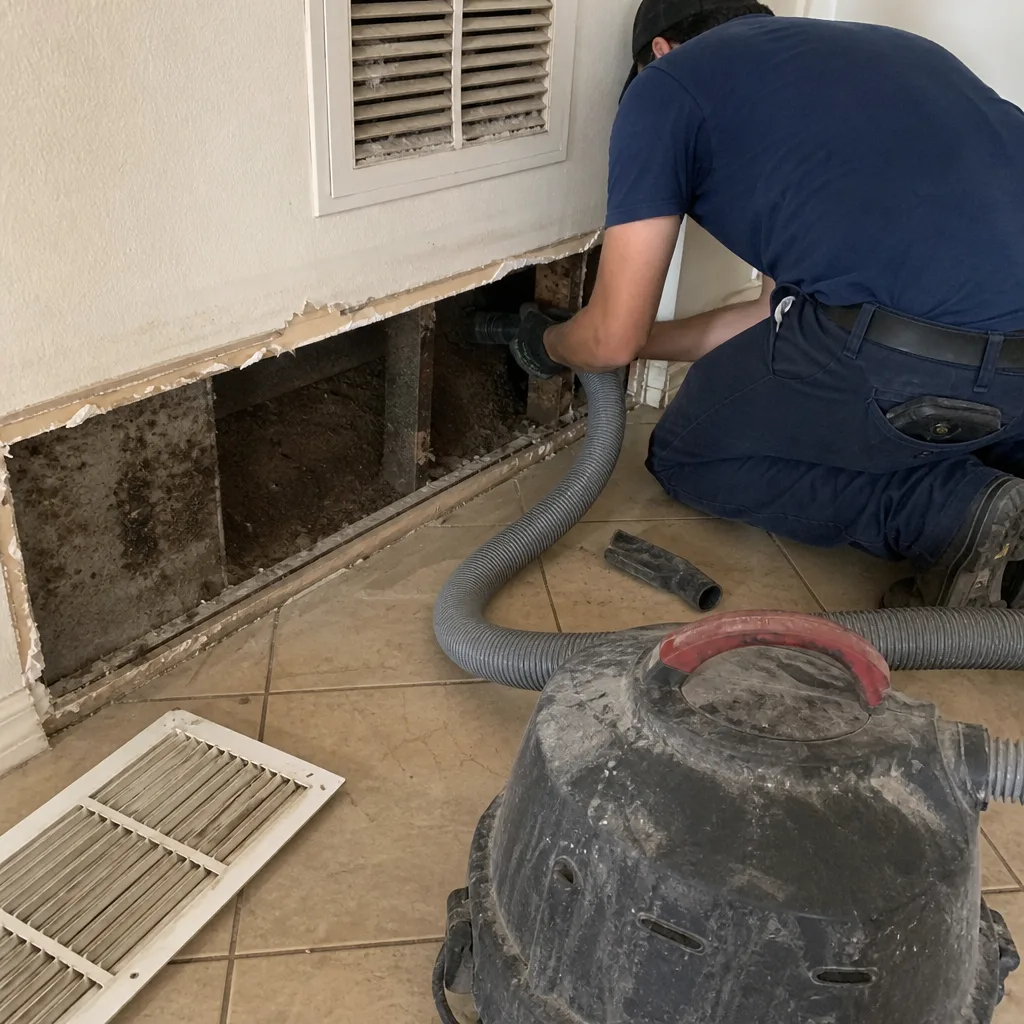
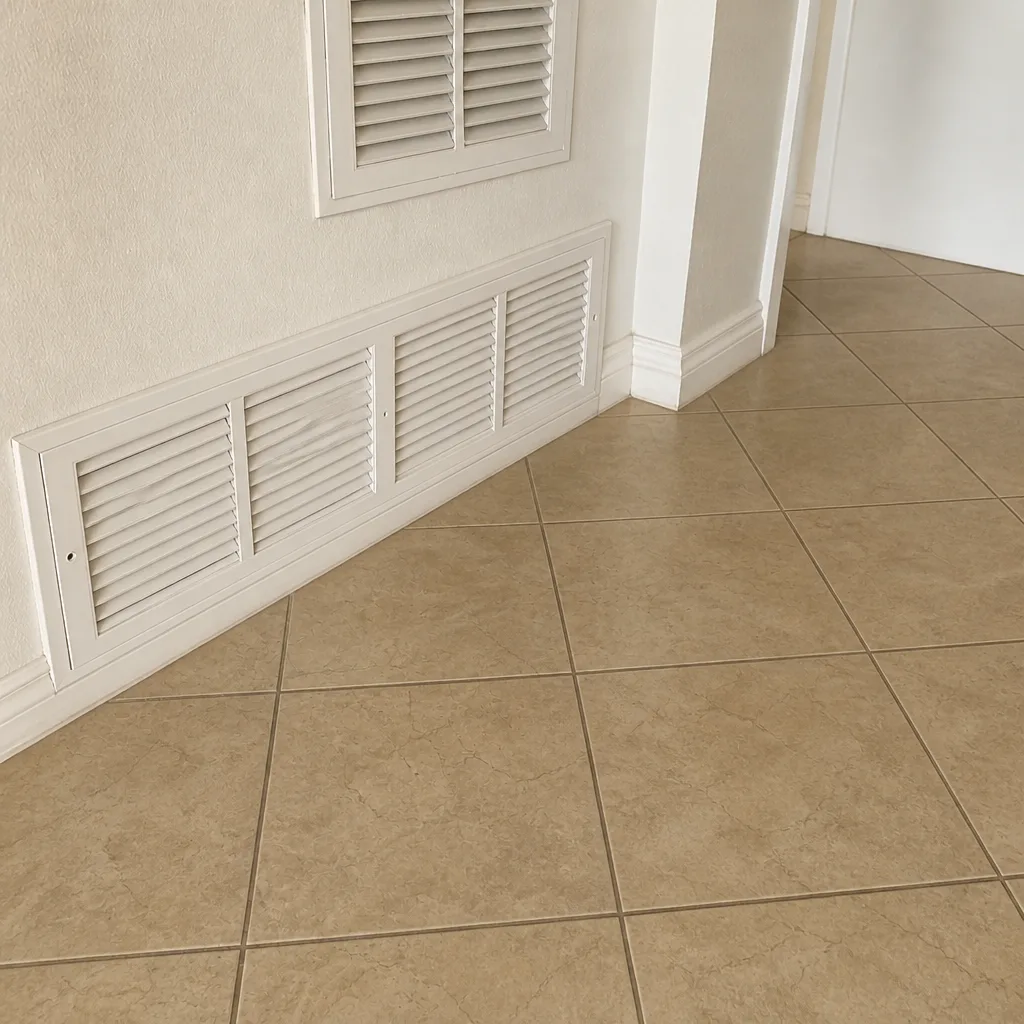
Whole-system duct and dryer vent check with before-and-after photos - you see exactly what came out of your vents
That "$99 whole-house special" is a bait ad - the real number appears once they are in your hallway, or the "clean" is a shop-vac at the register. We photograph the inside of your ducts before and after instead.
DIY vs Professional Air Duct Cleaning: The Brea Homeowner’s Decision Guide
Running a shop vac into your supply registers doesn’t clean your ducts. It does something closer to the opposite: it dislodges years of settled dust from the register collars and pushes it into the main trunk line, where the blower picks it up and sends it back through every room in the house. That’s the most common DIY outcome, and it’s why so many Brea homeowners tell us the air felt worse for a week after they tried it themselves.
This guide is an honest breakdown of what you can genuinely handle yourself, what needs professional equipment to do correctly, and where a DIY attempt can actually make contamination worse. We’ll cover the equipment gap, the preparation steps that help, the messes that hurt, and a decision matrix you can run against your own home in Brea.
Styles & brands we work with
- Whole-home duct cleaning
- Dryer vent cleaning
- Camera inspection
- Sanitizing & deodorizing
Quick Answer
You can clean register grilles, vacuum accessible vent openings, and remove lint from your dryer vent yourself. What you can’t do is clean the trunk lines and branch runs, because consumer vacuums can’t produce the negative pressure needed to pull debris out of a sealed duct system. If your home has visible mold, recent water damage, or a renovation’s worth of drywall dust in the system, DIY cleaning is a containment risk and the job should go to a professional with truck-grade equipment.
Table of Contents
- What DIY Air Duct Cleaning Can Actually Accomplish
- The Equipment Gap: CFM, Negative Pressure, and Where Debris Lives
- DIY Prep That Helps Before a Professional Visit
- DIY Moves That Complicate the Job
- Mold and Moisture: When DIY Cleaning Becomes a Health Risk
- The Brea Decision Matrix: Is Your Home DIY-Eligible or Pro-Required?
- How a Professional Duct Cleaning Job Actually Works
- Common Mistakes to Avoid
- When to Call a Professional
- Frequently Asked Questions
- The Bottom Line
What DIY Air Duct Cleaning Can Actually Accomplish
Here’s what’s realistic without professional equipment. Grille and register cleaning is genuinely worthwhile and you’ll feel the difference in airflow through the rooms you use most. The supply grilles in a Brea home collect dust quickly because the air is dry through most of the year and the HVAC runs hard in the summer months. A damp microfiber cloth, a screwdriver, and ten minutes per register gets you real results.
- Remove and wash the register grilles. Take off the supply and return grilles with a screwdriver. Fill a bathtub or utility sink with warm water and a drop of dish soap, let them soak, then scrub with a soft brush. Dry them completely before reinstalling.
- Vacuum the register throat and collar. With the grille off, use a brush attachment on a HEPA-filtered shop vac to lift loose dust from the metal collar where the register meets the drywall. Work slowly so you don’t push debris inward.
- Do a visual inspection of accessible flex duct. Where you can see flex duct in the attic or crawl space, a flashlight and a phone camera help you spot crushed sections, disconnected joints, or visible tears. Don’t disconnect anything – just look.
- Clean the dryer vent lint trap and flexible tube. Pull the dryer out, disconnect the flexible exhaust behind it, and clear the lint from the tube with a vent brush or vacuum. Reattach and make sure the exterior flapper opens freely when the dryer runs.
- Replace the HVAC filter. A fresh filter is the single cheapest improvement to indoor air quality and airflow. Check it monthly during peak cooling season.
That’s the honest ceiling of DIY air duct cleaning. It’s useful, and we’d rather you spend an hour on grilles and dryer vent lint than ignore both. But it doesn’t touch the interior surfaces of the ducts themselves.
The Equipment Gap: CFM, Negative Pressure, and Where Debris Lives
A consumer shop vac pulls somewhere in the neighborhood of 100-200 cubic feet per minute through a one-inch hose. That sounds impressive until you understand what a duct system is: a sealed network of tubes holding air in a specific pressure balance. To source-remove debris, you need to pull a strong negative pressure from one end of the system while agitating from the other, so material lifts off the duct walls and travels out rather than settling somewhere new.
Professional systems like Rotobrush and Nikro generate the airflow, suction, and hose reach to do that. The hose goes deep into the trunk line. A rotary brush or air whip loosens the debris from every surface. The vacuum holds everything in a sealed bag or HEPA chamber. That’s the difference between removing contamination and moving it around.
- Trunk lines are the main horizontal runs, usually 6-10 inches or larger in diameter, carrying air from the furnace or air handler. They collect the majority of settled debris over time. A consumer vac can’t reach them.
- Branch runs are the smaller ducts feeding individual rooms. These can sometimes be partially reached from the register, but only with a long, flexible tool and a strong vacuum behind it.
- Register collars are the short elbows where branch ducts meet the room. This is where dust accumulates fastest and where DIY vacuuming does the most obvious good, but also where the wrong technique pushes debris back into the branch run.
One more thing that’s easy to overlook: a shop vac’s exhaust blows fine dust back into the room while you’re working. Unless it’s a true HEPA unit, you’re re-releasing what you just pulled up. In a Brea home with closed windows and the fan running, that dust recirculates through the whole house.
DIY Prep That Helps Before a Professional Visit
Some prep work makes a professional job faster and cleaner. If you’ve already scheduled air duct cleaning for a Brea home, these steps are worth doing the day before.
- Clear access to the air handler and attic hatch. Move boxes, holiday decorations, or shelving blocking easy access. Technicians need room to maneuver hoses and equipment.
- Remove fragile items from the immediate area. Vibration from hoses and equipment can walk picture frames off mantels. Move anything breakable near return grilles.
- Pull grilles and note conditions. A quick photo of each vent’s interior before cleaning gives you a reference to compare against the after-photos. It also lets you flag anything odd like loose insulation or pest evidence.
- Replace the HVAC filter right before the visit. A new filter catches the small airborne dust the cleaning process kicks up.
- Confine pets and small children on the day of service. Not because the process is dangerous, but because the air will have more suspended dust than usual for a few hours afterward.
Also worth doing: gather notes on the home. When was the last duct cleaning, if ever? Has the house had any water damage? Did a renovation happen recently? That context helps the technician decide which zones need extra attention.
DIY Moves That Complicate the Job
The other side of the ledger. Some DIY actions turn a straightforward cleaning into a repair job. We’ve seen every one of these in Brea homes.
- Running a shop vac into a register without proper filtration. This is the big one. It stirs settled debris from the collar back into the branch run, where it can travel to the trunk line. The result is a system that looks cleaner at the vent but is dirtier two feet in.
- Pulling flex duct out of the ceiling or attic for “a closer look.” Flex duct is fragile at the collars. Bending it sharply or unscrewing a joint can crush the inner liner and create a leak that costs more to fix than the cleaning would have.
- Spraying over-the-counter “duct sanitizer” into the system. Fogging an uncleaned duct is like spraying deodorant on a dirty shirt. Without prior cleaning, the product coats the debris without removing it and can create a sticky surface that grabs more dust.
- Using a leaf blower or air compressor to “blow the dust out.” This pressurizes the system and drives dust deeper into every branch. It also launches a plume of debris into the room.
- Removing the air handler filter rack or blower access panel. That exposes internal components sensitive to moisture and debris. Cleaning inside a blower cabinet requires specific tools and is a professional step, not a homeowner one.
None of these are catastrophic on their own, but together they make the eventual professional visit harder. The technician has to spend part of the job reestablishing the debris field that DIY work disturbed.
Mold and Moisture: When DIY Cleaning Becomes a Health Risk
Here’s the hardest line in this guide. If you can see or smell mold inside the ductwork, stop before you touch it. Cleaning visibly contaminated ducts yourself is a containment problem first and an effectiveness problem second. Mold spores are microscopic, and any agitation without proper HEPA filtration and containment launches them into the air of every room the system serves.
The same caution applies to any home with prior water damage. If the ducts were submerged, wet, or exposed to a leak that reached the ductwork, the contamination may be deeper than the visible surface. Professional equipment can identify and address those zones safely; a shop vac and a damp rag cannot.
A few signs that mean “call a professional, not a Saturday project”:
- Visible dark spotting or fuzzy growth inside registers or on the air handler cabinet
- A persistent musty or damp-earth smell when the HVAC kicks on
- Allergy symptoms that spike specifically when you’re at home and improve when you’re away
- Condensation or moisture inside any accessible duct section
- Prior water damage that reached attic, crawl space, or duct runs
An air quality treatment after cleaning, using recognized equipment such as those from Honeywell or Aprilaire, is a real option once the underlying contamination is removed. But treatment is applied to a clean system. Cleaning first, treatment second.
The Brea Decision Matrix: Is Your Home DIY-Eligible or Pro-Required?
Run your home against these triggers. Any single hit on the “pro-required” side moves the whole job out of DIY territory.
- Home age. Homes in Brea that predate the 1980s often have duct systems with years of accumulated buildup invisible from the register. Pro-required if the ducts have never been professionally cleaned.
- Duct material. Sheet metal ducts are more forgiving. Flex duct can hide collapsed sections and buildup in ways only a scope or professional hose can reach. Pro-required if flex duct runs through an attic you can’t safely inspect yourself.
- Last professional service date. Unknown or more than 5-7 years ago? Pro-required for a baseline cleaning. Under every 3-5 years with no new triggers since? DIY prep is fine.
- Renovation within the past year. Drywall dust, sawdust, and construction debris live in the ducts. Pro-required.
- Water event. Any leak, flood, or moisture intrusion that reached ductwork. Pro-required.
- Occupant health sensitivities. Asthma, allergies, or immune sensitivities in the household raise the stakes. Pro-required.
- Pest activity. Evidence of rodents or insects in the ductwork is a professional job, not a DIY one.
- Dryer vent condition. This is a separate system, but if the vent hasn’t been cleaned in over a year and the exterior flapper is stuck or you see lint buildup at the exterior hood, this belongs to dryer vent cleaning, which we treat as a fire-safety job rather than a convenience task.
The pattern: DIY-eligible homes are ones with moderate dust, no recent disturbance, no visible contamination, and no health concerns. Anything else is a professional job.
How a Professional Duct Cleaning Job Actually Works
Understanding the process makes the estimate easier to judge and the work easier to verify. Here’s how a full-system cleaning typically runs, whether you’re in Olinda Ranch, Blackstone, or the older parts of Brea near downtown.
- Inspection and setup. The technician walks the home, identifies returns, supplies, air handler, and any accessible attic runs. Drop cloths and corner guards go down. The vacuum hose connects to the main trunk line.
- Negative pressure applied. The system is sealed at registers, and the vacuum pulls continuous suction through the trunk. This is the point where a professional system separates itself from a shop vac: the entire duct network becomes a single depressurized space.
- Agitation of every branch and trunk. A rotary brush or air whip is pushed through each branch run to break debris loose from the walls. Debris travels to the vacuum and gets captured, not redistributed.
- Air handler and blower cleaning. This is a separate step, sometimes called HVAC cleaning, and it addresses the components the ducts feed into. Filter racks, blower wheel, and cabinet interior get cleaned independently of the ductwork.
- Duct repair and sealing where needed. Any leaks, disconnected joints, or crushed sections found during the cleaning get addressed. We treat this as a standalone service, so a small leak doesn’t become a return trip.
- Optional air quality treatment. Once the system is clean, sanitizing or installing air quality hardware from brands like Abatement Technologies or Guardsman-grade products makes sense as a finishing step, not a substitute for cleaning.
A typical job in Brea takes a few hours depending on system size. Before-and-after photos of your own ducts give you verification, and the price should be set from a written estimate before any work starts.
Common Mistakes to Avoid
- Choosing a quote based on the coupon price alone. Any quote that starts with a low teaser figure and grows once the technician is on site should be a red flag. Ask up front whether the price is flat per system or per vent. Ours is flat per system, agreed before work starts.
- Assuming “visible dust” is the whole problem. Most of the contamination in a Brea home’s ducts is in zones you can’t see from a register. Cleaning only what’s visible leaves the majority of the accumulated debris in place.
- Skipping the dryer vent because “we’ll get to it.” The dryer vent is a separate system from the HVAC ducts, and in Brea’s dry summers, lint buildup in the exhaust line is a real fire risk. We treat it as a dedicated safety service, not a tack-on.
- Using a shop vac as if it were a duct cleaning system. It doesn’t generate enough negative pressure to source-remove debris, and without a HEPA filter it re-releases what it pulls up. Rotobrush and Nikro systems exist because consumer tools can’t do this work.
- Cleaning visible mold yourself. It’s a containment problem. Agitation sends spores throughout the home. This is the one category where DIY cleanup can genuinely make things worse.
- Skipping the filter for months. In Brea, where the HVAC runs hard through a dry summer, a clogged filter starves the system of airflow and lets dust bypass. Check it monthly in peak season.
- Hiring a company that only vacuums vents. A full-system approach means cleaning, repairing, sealing, and treating the entire duct ecosystem. That’s five services under one invoice: cleaning, dryer vent, HVAC cleaning, duct repair and sealing, and air quality treatment. If a quote covers only vacuuming, it’s not the same job.
When to Call a Professional
Call a professional if any of these are true: your ducts have never been cleaned and the home is more than a few years old, you’ve completed a renovation in the last year, you’ve had water damage that reached the ductwork, you see or smell mold inside a register, you have asthma or allergy sensitivities in the house, or your dryer vent hasn’t been cleaned in over a year. Also call if you’re feeling the strain of a high summer cooling bill and suspect the ducts are leaking or dirty – a diagnostic visit can tell you whether Brea Air Duct Cleaning Pros needs to clean, repair, or both.
Brea Air Duct Cleaning Pros offers free estimates in Brea. Call (866) 947-9306. We answer 24/7. Fast dispatch from 7am to 7pm, Sunday through Friday. Our technicians have up to 11 years of experience, and we work with you to set a flat price per system before the job starts.
Frequently Asked Questions
Typical estimates for a full-system cleaning in Brea run from a few hundred dollars for a smaller single-story home to a larger figure for a two-story with multiple return lines and accessible attic runs. The exact price depends on system size, number of registers, and any repair needed. We set a flat price per system from a written estimate before work begins, never a per-vent rate. Call (866) 947-9306 for an exact quote – estimates are free.
The cheap quotes usually cover only the register openings or a single trunk line, not the whole system. Others use per-vent pricing that grows quickly once the technician counts every vent in the house. If a quote sounds too good to be true, ask three questions: is it flat per system, does it include the air handler, and will you see before-and-after photos? Call (866) 947-9306 and we’ll walk through what’s included.
Ask for before-and-after photos of your own ducts – the interior, not just the register grilles. A company confident in its work will document the cleaning. At Brea Air Duct Cleaning Pros, before-and-after photos come standard, and our satisfaction guarantee backs the job. Call (866) 947-9306 to see what a typical cleaning includes.
Every few years is a reasonable baseline for most Brea homes, with extra cleanings after renovations, water damage, or significant pest activity. Homes with pets or allergy-sensitive occupants may want it more often. It isn’t something that needs annual attention unless your circumstances call for it. Call (866) 947-9306 if you’re unsure whether it’s time.
Yes, if your ducts have been cleaned recently and there are no contamination triggers. Register grille cleaning and dryer vent lint removal are both legitimate DIY tasks. But a shop vac can’t reach the trunk lines or generate the negative pressure needed to source-remove debris. If the ducts themselves haven’t been cleaned in years, register cleaning alone doesn’t address it. Call (866) 947-9306 to confirm what your system actually needs.
A full-system job covers the trunk lines, branch runs, register collars, and the air handler components, not just the visible vents. It also includes checking for leaks or damage and addressing them through duct repair and sealing if needed. Air quality treatment after cleaning is available as a finishing step. Call (866) 947-9306 to schedule a free estimate and see exactly what your system needs.
The Bottom Line
DIY duct cleaning has a real but narrow job: cleaning register grilles, vacuuming reachable vent collars, keeping the filter fresh, and clearing dryer vent lint. Those tasks are worth doing and worth doing well. What it can’t do is clean the trunk lines, source-remove debris from branch runs, or safely handle mold, water damage, or renovation dust. Those belong to professional equipment and professional containment. The decision isn’t really “should I try this myself” – it’s “which of these two jobs does my home actually need.” If you’re unsure, call (866) 947-9306 and we’ll give you a straight answer.
Whether you handle the prep yourself or want the full-system approach from cleaning through repair to sealing, we’re set up to do it in one visit rather than patching together multiple contractors. One flat price per system, agreed before work starts. Before-and-after photos of your own ducts so you can see what changed. Air quality treatment, not just air duct cleaning, when the system calls for it. That’s the work.
Call (866) 947-9306 for a free estimate. We answer 24/7. Fast dispatch from 7am to 7pm, Sunday through Friday.
Written by the team at Brea Air Duct Cleaning Pros.
See the difference
 Before
 After
 Before
 After
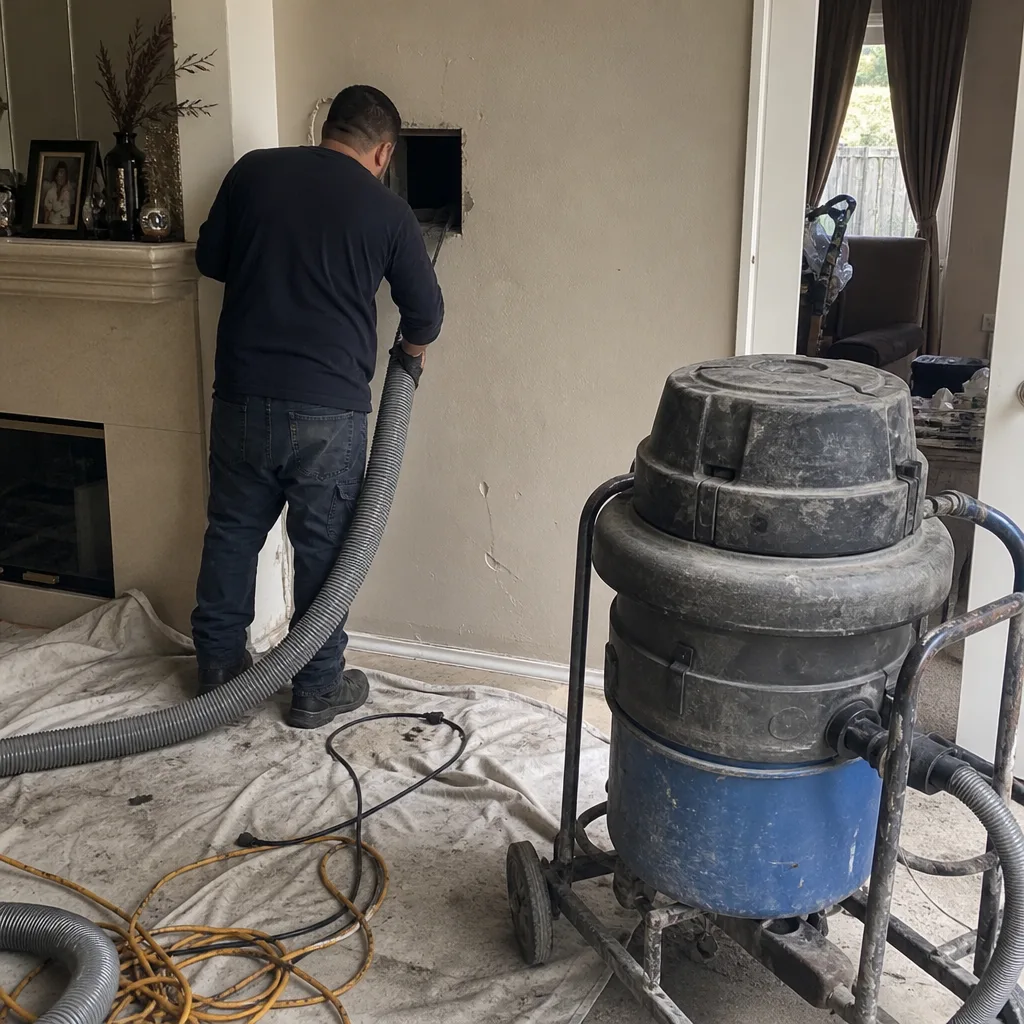 Before
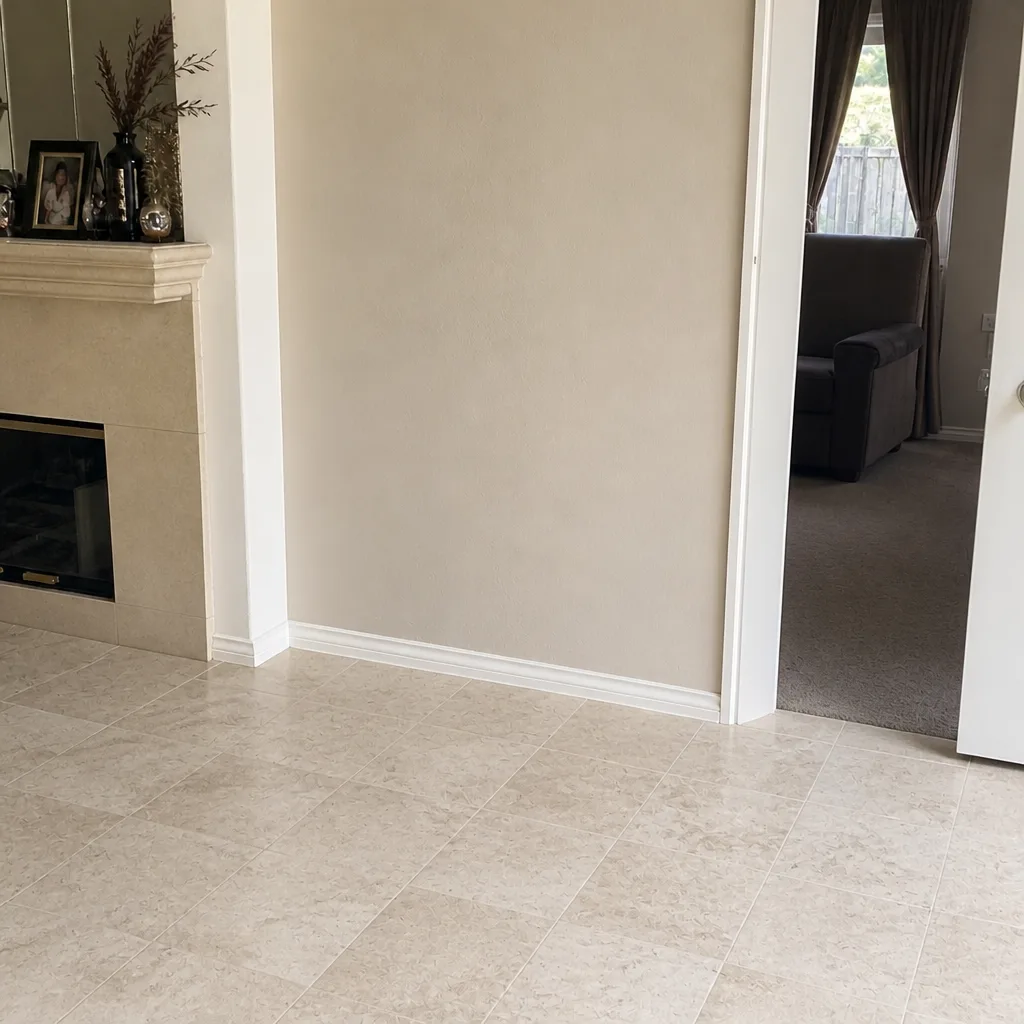 After